Côte d’Ivoire has surpassed all expectations by securing over $80 billion in international funding for its National Development Plan (PND) 2026-2030, demonstrating robust economic resilience and renewed investor confidence. This financial windfall marks a significant milestone in the country’s post-crisis recovery trajectory.
Unprecedented financial commitment from global partners
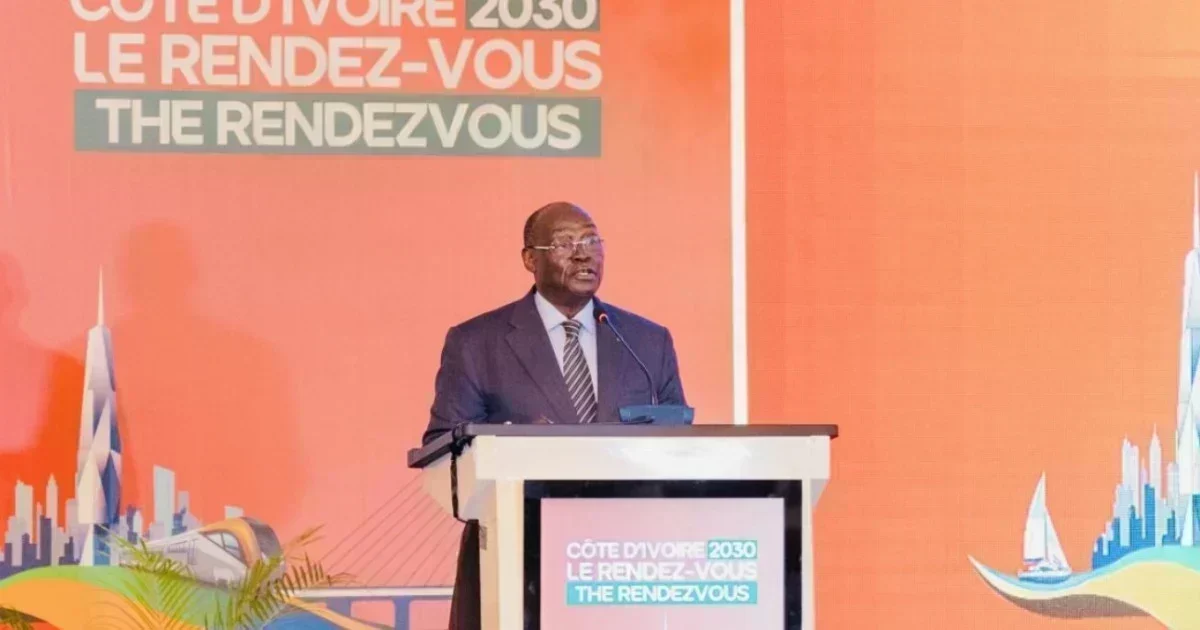
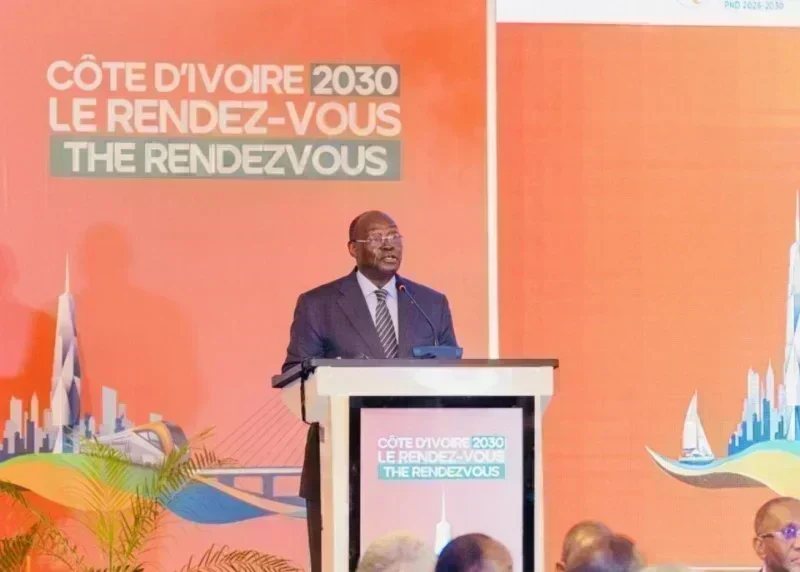
During a high-profile investment forum in Abidjan, Côte d’Ivoire revealed it had received pledges totaling four times its initial target of $20 billion for its National Development Plan. International development partners, including the World Bank, African Development Bank, and European Union, committed to providing over $80 billion in funding support.
The news was announced by Souleymane Diarrassouba, Côte d’Ivoire’s Minister of Planning, who emphasized the country’s strong economic fundamentals. “All our indicators are nearly perfect,” he stated, highlighting that over 70% of the total PND funding—amounting to $147 billion—is expected to come from private sector contributions.
A comprehensive development vision
The ambitious PND 2026-2030 encompasses multiple strategic pillars:
- Economic diversification: Moving beyond traditional agriculture (which contributes 20% of GDP) through emerging sectors including mining, oil, and gas exploration
- Infrastructure revolution: Major road network expansions and the development of a high-speed rail system
- Security enhancement: Strengthening national security frameworks
- Industrial champions: Support for the creation and growth of nationally significant enterprises
Strong growth momentum and international recognition
The investment windfall comes at a time when Côte d’Ivoire maintains one of West Africa’s most dynamic economies, with average annual growth of 6.5% over recent years. This performance follows a decade of political and military crisis in the early 2000s, during which the country laid the groundwork for its current recovery.
International financial institutions have taken notice of this progress. The International Monetary Fund recently approved a $833 million disbursement package for Côte d’Ivoire through multiple assistance programs, citing the nation’s “resilient economy.” While projecting a slight growth moderation to 6% in 2026 (from 6.5% in 2025), the IMF expects inflation to rise to approximately 3.3% this year.
The country’s economic transformation continues to gather pace, with February’s successful $1.3 billion international bond issuance at particularly favorable rates for an emerging market economy serving as a further testament to investor confidence.
As Côte d’Ivoire prepares to allocate these unprecedented resources toward its ambitious development agenda, the nation stands at a crucial juncture in its journey toward sustainable prosperity and regional leadership.