Congo churches split over constitutional reform plans
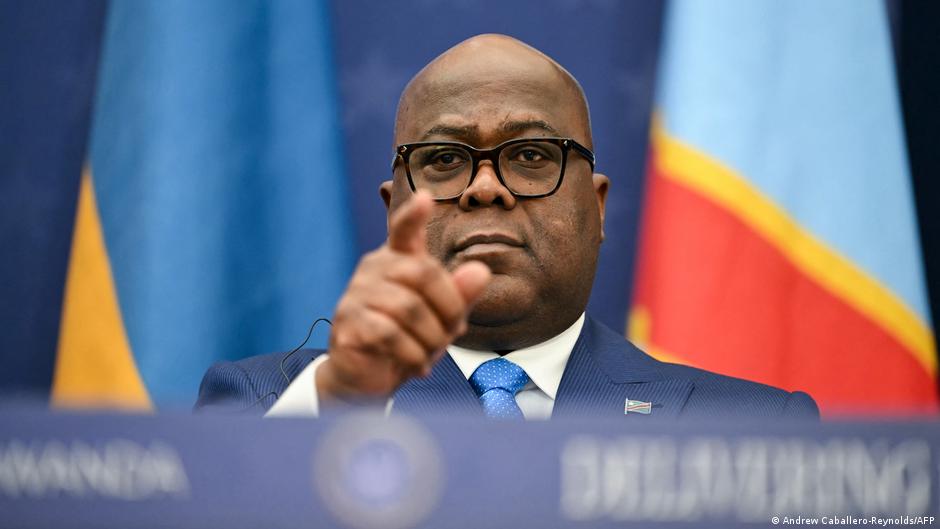
The constitutional reform proposal championed by President Félix Tshisekedi continues to ignite fierce national debate. While revival churches align with the government’s vision, the Catholic Church has sounded the alarm over potential threats to democratic progress.
This religious schism emerges as the constitutional amendment process advances, with lawmakers recently adopting the referendum bill that would put the changes to a public vote.
Revival churches endorse constitutional overhaul
Revival church leaders argue the 2006 Constitution no longer reflects the country’s institutional realities. Archbishop Evariste Ejiba Yamampia, representing revival churches in Congo, contends the reforms could enhance governance and unlock national development.
“This is fundamentally about our territorial sovereignty. It’s also about governance challenges and, thirdly, about development and population welfare. The changes would allow us to properly benefit from our country’s wealth by eliminating bloated administrative structures that drain resources.”
Catholic leadership voices democratic concerns
While the National Episcopal Conference of Congo (Cenco) has not yet issued an official stance, the Catholic Apostolate of Lay People of Congo (CALCC) has emphasized its commitment to preserving the current constitutional framework. CALCC President Faustin Onombili stresses the 2006 Constitution’s role as the bedrock of Congo’s fledgling democracy.
“The Church has consistently maintained that our current Constitution forms the foundation of our young democracy. We’ve repeatedly called for dialogue, wisdom in leadership, and civic vigilance. Political power, as we’ve always reminded authorities, must serve the people. Catholics and all citizens of goodwill in the DRC must remain vigilant.”
Opposition denounces ‘constitutional coup’
The reform proposal has also deepened political tensions, with opposition groups accusing President Tshisekedi of attempting to manipulate institutional rules to his advantage. The Article 64 Coalition, which condemns what it calls a “constitutional coup”, had planned to file a complaint this week before postponing their action to focus on organizing a Friday sit-in outside Parliament.
As the referendum looms, the constitutional reform debate has become increasingly polarized between those advocating for institutional adaptation and defenders of the 2006 constitutional framework.