Chad inches closer to one-party rule amid opposition crackdown
Eight opposition leaders have been sentenced to eight years in prison for plotting a protest against governance failures, a move that critics warn signals a dangerous slide toward authoritarianism in Chad. The convictions, handed down two weeks after their arrest, follow the sudden dissolution of their coalition, the Groupe de concertation des acteurs politiques (GCAP), by the Supreme Court just days earlier.
The crackdown intensifies concerns about the shrinking political space in Chad, where public demonstrations have been banned for over six years. Security forces have repeatedly used lethal force, most notably in October 2022 when around 200 protesters were killed during clashes. The GCAP leaders, along with opposition figure Succès Masra—already serving a 20-year sentence for “incitement to hatred”—now join a growing list of dissenting voices silenced by the judicial system.
Judicial repression or legal overreach?
The GCAP leaders were convicted on charges including criminal association, insurrectionary movement, rebellion, and illegal possession of firearms—allegations their legal team has vehemently denied. Their trial, completed in a matter of days, has drawn sharp criticism from civil society and international observers, who argue the proceedings were politically motivated. The United Nations has reiterated Chad’s obligations to uphold freedom of expression, peaceful assembly, and association, yet the government appears undeterred in its crackdown.
From protest bans to targeted violence
The repression extends beyond the courtroom. On April 29, armed assailants attacked a gathering of Transformers party supporters marking its eighth anniversary, leaving one dead, two critically injured, and the party’s treasurer kidnapped and tortured. While authorities pledged to investigate, such incidents have become disturbingly routine in recent years, fueling fears of escalating instability.
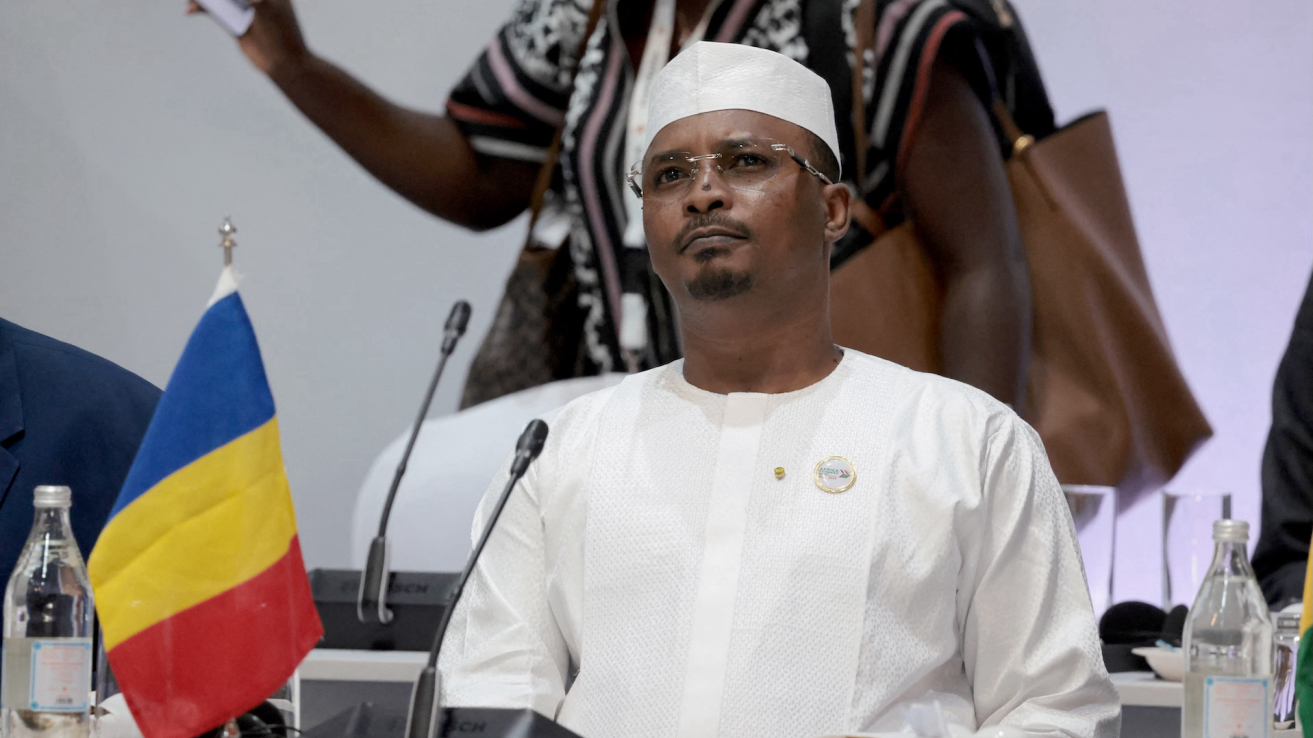
The erosion of democratic norms in Chad mirrors patterns seen under past regimes. During the presidencies of François Tombalbaye (1960–1975) and Hissène Habré (1982–1990), only pro-government parties were permitted, serving as propaganda tools while suppressing dissent. Under Idriss Déby Itno (1990–2021), term limits were repeatedly removed, and elections were routinely disputed. The current administration, now led by Mahamat Idriss Déby, continues this legacy, with constitutional amendments extending presidential terms to seven years in October 2025.
A cycle of violence and instability
Chad’s history is defined by cycles of coups, insurgencies, and bloodshed. Since gaining independence in 1964, the country has endured decades of chronic instability, with violent conflicts erupting every few years. The 2021 political transition, sparked by Idriss Déby Itno’s death, was supposed to break this pattern. Yet today, the government’s reliance on repression—through courtrooms and security forces alike—threatens to plunge Chad back into authoritarian rule.
Analysts warn that the disproportionate use of force risks radicalizing citizens, particularly youth, pushing them toward armed resistance. To prevent further escalation, experts urge immediate reforms: revising crowd-control doctrines, retraining security personnel, and ensuring judicial independence. Regional bodies like the African Union and Economic Community of Central African States—which backed Chad’s transition—must also intervene, applying pressure for dialogue rather than silence.
Without credible opposition voices, the path forward looks increasingly bleak. Chad stands at a crossroads, with its democratic future hanging by a thread as the government tightens its grip on power.