Togo’s opposition demands transparency on foreign military presence amid Sahel security fears
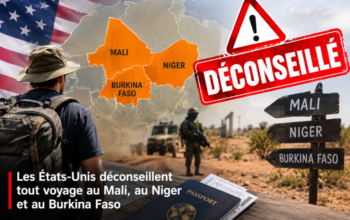
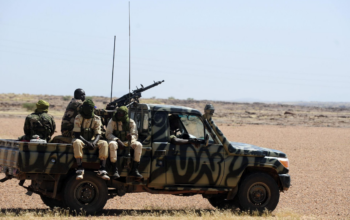
The northern regions of Togo are under increasing pressure from cross-border terrorism originating in the Sahel, but a growing controversy over the presence of foreign military and paramilitary forces has now shifted the debate from security to sovereignty. In a joint statement released in mid-2026, a coalition of opposition groups and civil society organizations in Lomé directly challenged President Faure Gnassingbé’s administration over its opaque security partnerships.

Unified opposition calls for accountability from the government
The political climate in the Togolese capital has intensified as a unified front of opposition movements—including the Monseigneur Kpodzro Dynamic (DMK), the People’s Majority Dynamic (DMP), the Light for Development in Peace movement (LDP), and the “Hands Off My Constitution” coalition—has broken its silence. Their central demand revolves around the deployment of foreign military and paramilitary personnel, particularly in the Savanes region, which borders Burkina Faso and has faced repeated incursions by armed groups.
While acknowledging the need to combat insecurity, the coalition argues that the absence of official disclosure regarding these foreign forces is unacceptable. They insist on a transparent explanation of the legal framework, operational objectives, and the exact status of these troops on Togolese soil.
Controversial actors under scrutiny: Africa Corps and SADAT
The opposition’s concerns center on two key players with significant regional influence. First, the Africa Corps—a restructured Russian security entity—is reportedly involved in the region. According to widely circulated reports, up to 350 Russian personnel may be stationed in Togo, though no official confirmation has been issued by Lomé, Moscow, or Ankara. Second, the Turkish private military company SADAT, known for its close ties to Ankara, is suspected of providing technical assistance, training, or operational support to Togolese forces.
The lack of verified information has fueled speculation about the true nature of these deployments. Are they strictly advisory roles, intelligence experts, or active combat units engaged in tactical operations? The uncertainty has only deepened public distrust.
Legal ambiguities, financial costs, and civil liberties at stake
While the opposition does not outright reject international security partnerships, it highlights critical gaps in governance and law. A key concern is the chain of command—these foreign personnel must operate under the direct authority of the Togolese Armed Forces (FAT) and in full compliance with national and international law. Any deviation risks undermining Togo’s legal sovereignty.
Another major fear is the potential infringement on civil freedoms. The coalition firmly opposes any involvement of foreign troops in domestic law enforcement, targeted arrests, surveillance of civilians, or political intimidation. These activities, they argue, must remain the exclusive domain of national institutions.
The financial burden on taxpayers is also under scrutiny. Without parliamentary oversight or public debate, the coalition demands clarity on the total costs incurred by the Togolese treasury for these security arrangements. Transparency in budgetary allocations is non-negotiable, they assert.
Faure Gnassingbé’s strategic pivot in defense diplomacy
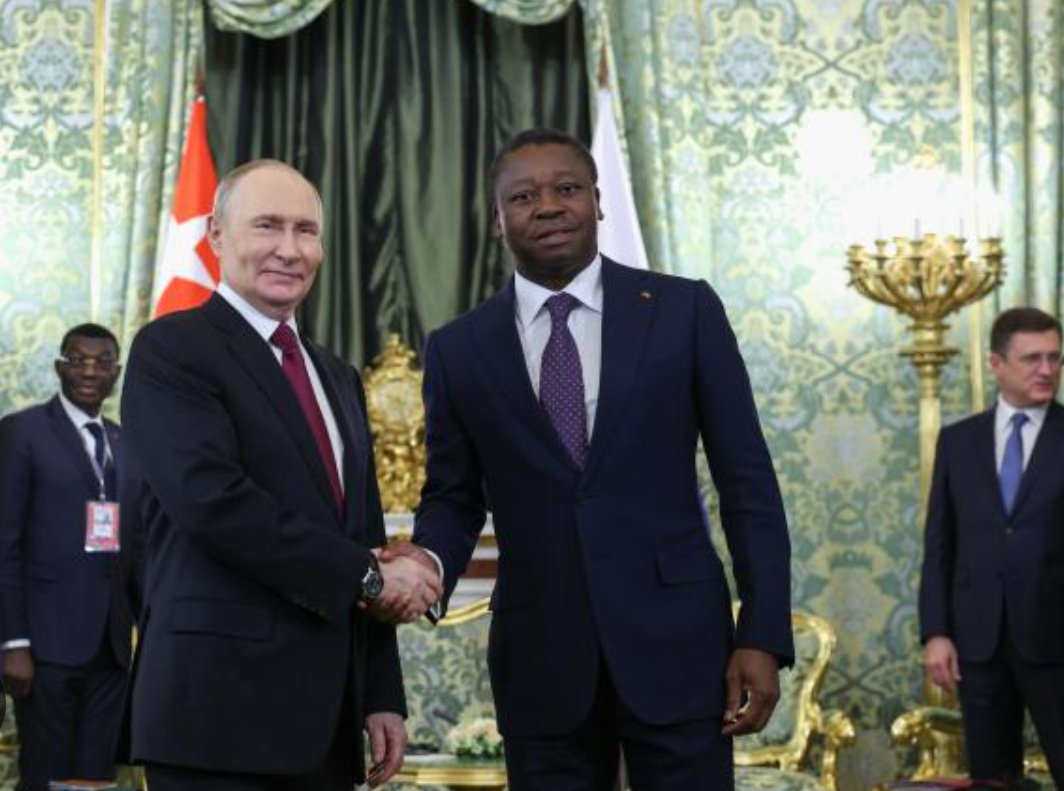
Despite the mounting criticism, the Togolese government’s shift toward new international partners aligns with a broader diplomatic realignment. President Faure Gnassingbé has progressively diversified defense alliances to address the limitations of traditional Western partners in the region. This strategy took shape as early as 2021 with a military cooperation framework with Turkey, including the acquisition of Bayraktar TB2 combat drones critical for border surveillance. Concurrently, strengthened ties with Russia have facilitated military intelligence sharing, officer training, joint exercises, and logistical support.
This evolving approach is now formally embedded in the Togo-Sahel Strategy 2026–2028, a government roadmap prioritizing deeper security cooperation with foreign partners. The stated goal remains the protection of national territory and the containment of jihadist expansion toward the Atlantic coast.
Is a national debate unavoidable?
The issue of foreign troop deployments transcends technical military decisions. In a Sahelian context marked by political turbulence and shifting geopolitical alliances, clarity is no longer optional—it is essential for stability. For Togolese citizens and opposition groups, national security cannot be negotiated behind closed doors. A transparent parliamentary or public debate would not only address legal ambiguities but also prevent security partnerships from becoming a source of internal political friction. For now, all eyes remain on the government, awaiting definitive responses to the mounting concerns.