Cédéao exit by Mali, Niger and Burkina Faso: a setback for human rights in West Africa
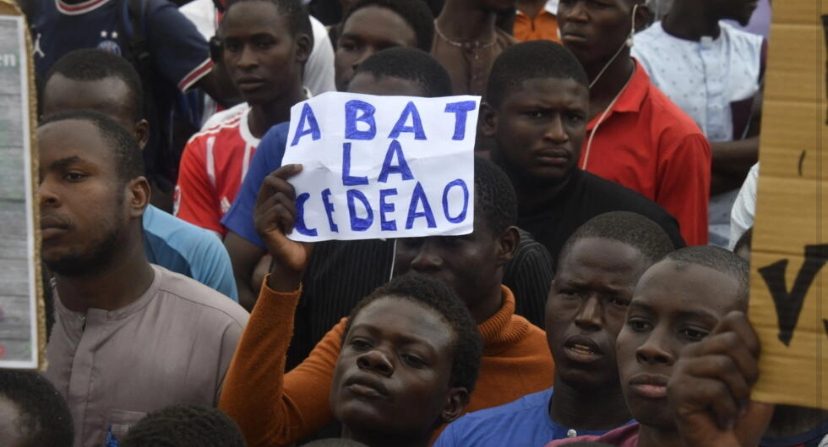
The announced departure of Mali, Niger and Burkina Faso from the Economic Community of West African States (Cédéao) raises serious concerns about access to justice for citizens in these countries. With their withdrawal, the ability to seek recourse through the Court of Justice of the Cédéao is significantly diminished—a critical loss, according to experts.
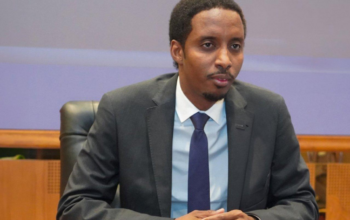
Ilaria Allegrozzi, a senior researcher at Human Rights Watch, highlights the vital role this court has played in addressing human rights violations across the region. In an interview, she explains: «For citizens in Mali, Niger and Burkina Faso, where impunity for abuses by security forces and authorities remains widespread—and where domestic courts often fail to deliver justice—the Cédéao Court was an essential recourse.»
Why the Cédéao Court matters for human rights
Unlike national judiciaries, the Court of Justice of the Cédéao provides a pathway to challenge human rights violations without the need to exhaust local remedies first. This makes it uniquely accessible for victims in countries where judicial systems are weak or politically compromised. Allegrozzi emphasizes: «This court has delivered landmark rulings, holding governments accountable for grave violations—including the landmark 2012 decision against Nigeria for abuses by oil companies, and a historic 2016 ruling against Niger for failing to protect a citizen from slavery.»
Challenges ahead for victims of rights violations
The exit of these three countries from the Cédéao could leave citizens with fewer legal options when facing abuses. Without access to the court, victims of human rights violations—such as extrajudicial killings, arbitrary detentions, or discrimination—may struggle to seek justice. Allegrozzi warns: «For many, this court was the only viable mechanism to challenge state-sponsored abuses. Its removal could further entrench impunity in an already fragile region.»
What’s next for regional justice in West Africa?
As Mali, Niger and Burkina Faso pursue their withdrawal plans, the future of regional justice mechanisms remains uncertain. Will alternative legal frameworks emerge to fill the gap? Or will victims of human rights abuses face even greater hurdles in seeking accountability?