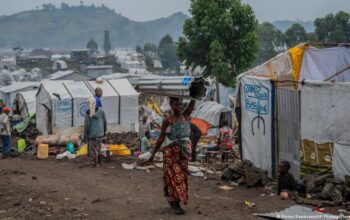
The Sahel is at a critical juncture, and the balance sheets are grim. As violence escalates in Mali, the narratives of certain panafricanist ideologues are crumbling under the weight of harsh realities. Military setbacks and political miscalculations have exposed the flaws in grand theories that promised more than they could deliver.
The coordinated attack on Kati and Kidal last Saturday served as a wake-up call. Despite the heavy deployment of the Africa Corps, the aggressiveness and tactical coordination of armed groups revealed that Moscow’s partnership is far from the impenetrable shield once advertised. This bold strike in key zones underscores the glaring limitations of a security strategy that now appears to be running out of steam.
Kemi Seba’s shifting strategy: a long time coming
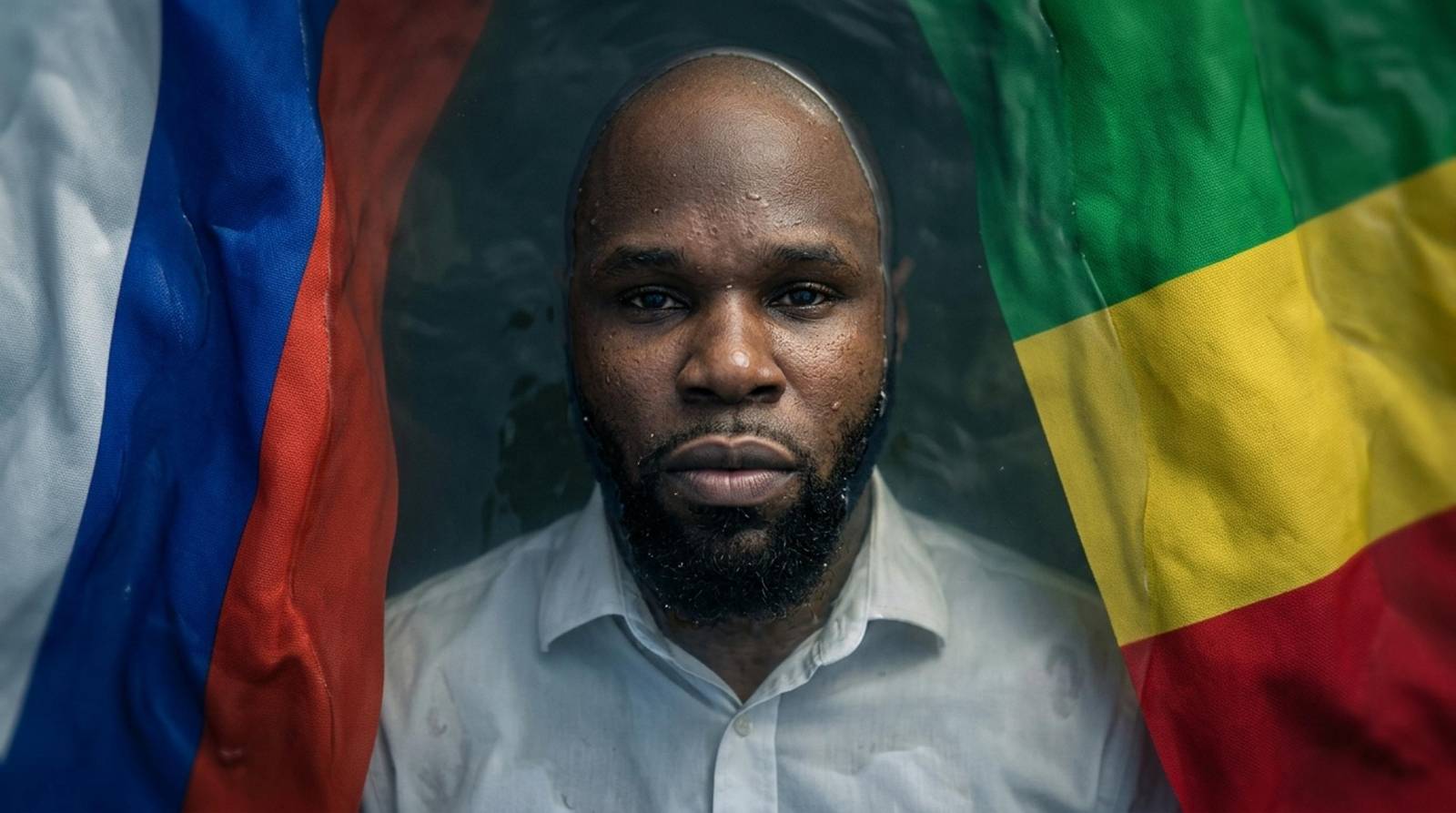
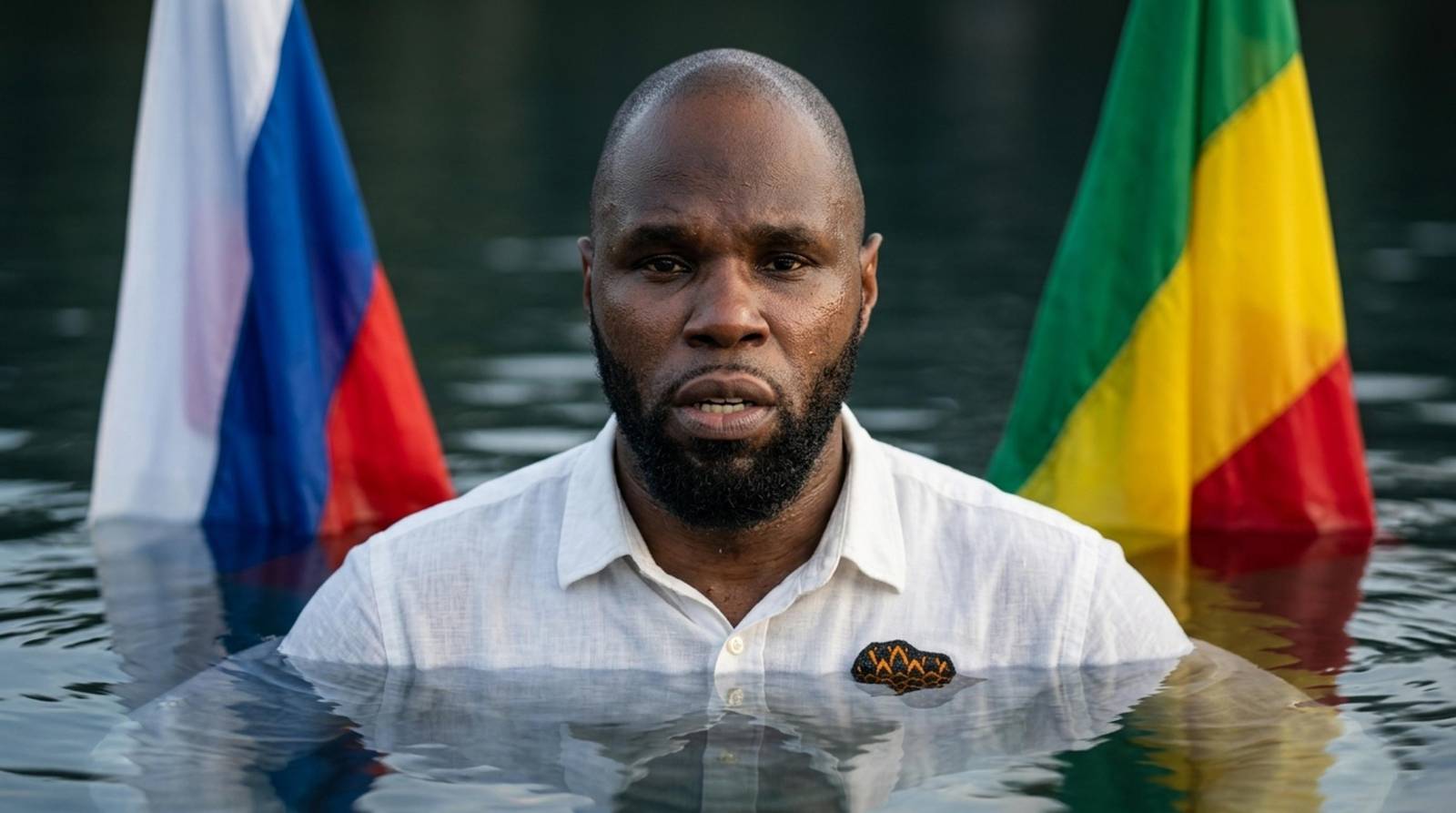
Amidst this turmoil, the stance of Kemi Seba raises eyebrows. Once a staunch advocate for Russian influence in the region, he now voices sharp criticisms, dismissing Moscow’s presence as purely transactional. Yet, this shift in tone is no overnight revelation. In truth, Seba’s realignment began long ago.
Following his arrest and subsequent political asylum in South Africa, his rhetoric took a bitter turn. The forced distance from the Sahelian battlefield marked a clear break. Today, by condemning Moscow’s focus on extracting mineral resources, he merely confirms a rift that started during his South African exile. The ‘liberator’ of yesterday now seems fully aware that his former ally’s priorities no longer align with his own.
The AES alliance grapples with uncertainty
This unease extends beyond a single activist. For Burkina Faso and Niger, the events in Mali serve as a cautionary tale. The once-promised miracle solution from the East is colliding with brutal realities: insecurity is rising, and the cost of foreign support is becoming increasingly steep in terms of sovereignty.
The Sahel finds itself at a crossroads. Between a Russian partner fixated on its own interests and media voices adapting their narratives based on personal circumstances, the people remain stuck in the middle, waiting for tangible and lasting solutions to their security woes.