In the Sahel region where Niger, Mali and Burkina Faso meet, a disturbing trend is unfolding: armed groups are increasingly targeting children, either through deadly violence or forced recruitment. This alarming situation is detailed in a recent report, which highlights the devastating toll the conflict is taking on the youngest and most vulnerable members of society.
escalating attacks on civilians and education
The report, covering the Tillabéri region of Niger, documents how armed factions—including the Islamic State in the Greater Sahara (EIGS) and the Group for Support of Islam and Muslims (GSIM), an Al-Qaeda affiliate—are responsible for widespread war crimes. These include deliberate killings of civilians, destruction of food supplies, and deliberate attacks on schools and health facilities.
Since early 2021, violence in Tillabéri has surged. According to the Armed Conflict Location & Event Data Project (ACLED), civilian deaths in Niger rose from 397 in 2020 to 544 by late July 2021. Among the victims were more than 60 children, with the EIGS reportedly responsible for many large-scale massacres. Survivors describe harrowing scenes: entire villages under siege, families hiding in homes only to be shot, and children traumatized by constant exposure to violence.
forced recruitment and psychological toll
The GSIM has intensified child recruitment efforts, particularly in the Torodi area near the Burkina Faso border. Young boys as young as 15—sometimes younger—are being lured with promises of food, money, or clothing. Recruits undergo brief weapons training and are deployed as scouts or messengers, roles that under international law constitute direct participation in hostilities.
Children who escape often carry deep psychological scars. Survivors report nightmares, anxiety, and fear triggered by everyday sounds—especially the roar of motorcycles, a common mode of transport for attackers. One 14-year-old described how he still replays the murder of his 12-year-old friend in his mind: “I see Wahab begging them. I dream they’re chasing me on motorcycles.”
destruction of schools and healthcare systems
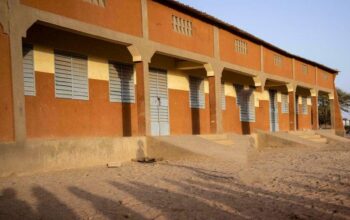
Armed groups have systematically targeted education, burning schools and threatening teachers. By June 2021, 377 schools in Tillabéri had closed, leaving over 31,000 children without access to education. In rural areas, many school buildings are made of flammable materials, making them easy targets. Teachers have fled or been killed, and students are left with no safe place to learn.
The closure of schools has led to long-term educational deprivation. A 14-year-old boy said: “We were upset when school closed. After that, we just stayed home—nothing to do.”
Healthcare access has also collapsed. Armed groups have looted health centers, and government restrictions on movement have hindered humanitarian aid. Immunization rates have dropped, and preventable diseases like measles are spreading. The UN estimates that 2.3 million people in the region could face food insecurity due to violence, drought, and flooding.
food insecurity and forced displacement
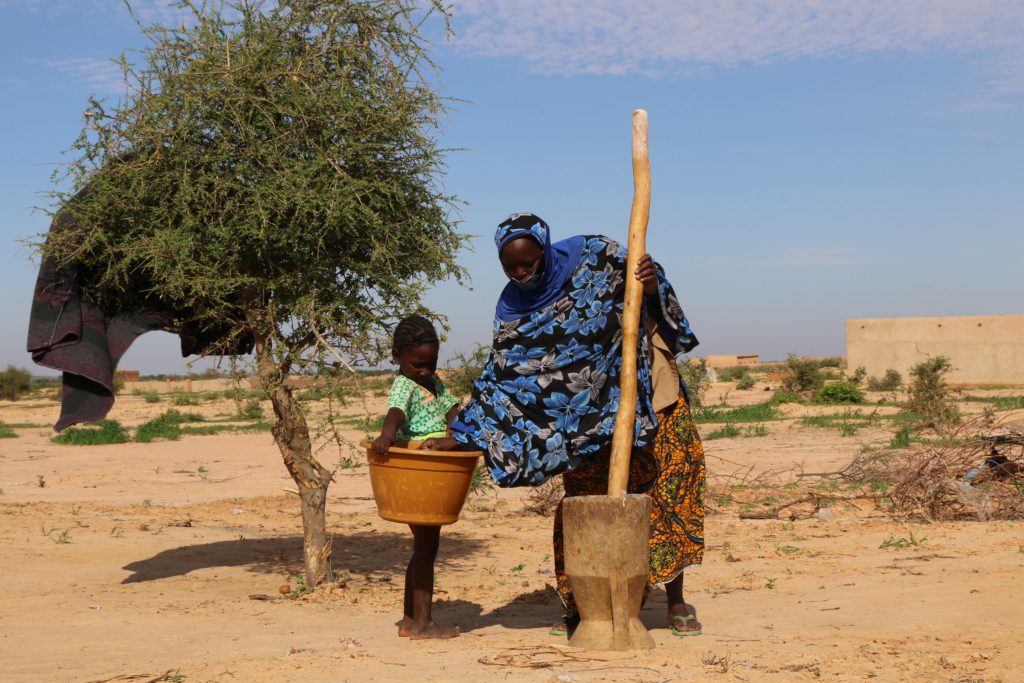
Attacks on food stores and livestock have left families destitute. Survivors describe militants burning grain reserves and stealing animals, leaving nothing but ashes. One mother of seven told researchers: “Everything burned… I have nothing left, only myself.”
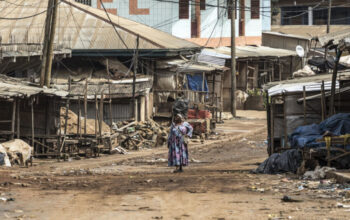
Satellite imagery confirms the deliberate destruction of food supplies. Entire villages have been emptied as people flee in search of safety. Armed groups also impose “taxes” through violence, further impoverishing communities already struggling to survive.
urgent call for protection and support
Experts warn that without immediate intervention, an entire generation in Tillabéri may be lost to trauma, displacement, and death. Children are not only victims of violence—they’re being denied education, healthcare, and a future.
Local leaders and international partners have called on Niger’s government to strengthen civilian protection, ensure safe access to education, and provide psychosocial support for traumatized children. As one displaced 15-year-old put it: “All I want is peace… and for the government to care about our lives here—food, water, and school. We need school.”
Amnesty International stresses that the international community must act swiftly. “The Niger is on the brink,” said a senior crisis response official. “Children need tools to build a future—not bullets, bombs, or silence.”
understanding the crisis in the three-border zone
The conflict that began in Mali in 2012 has spilled into neighboring Burkina Faso and Niger. Armed groups fight for control of border regions, clashing with national armies and international forces including those from Chad, France, and regional coalitions. The UN estimates that 13.2 million people across the Sahel will need humanitarian aid in 2021, with nearly 2 million displaced from their homes.
how the data was gathered
Researchers spoke with 119 individuals, including 22 children and 36 parents or caregivers affected by the conflict. They also consulted NGO workers, UN representatives, and government officials to build a comprehensive picture of the crisis and its impact on young lives.