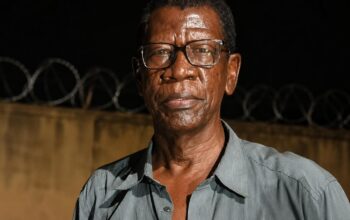
Pretoria is now the stage where the fate of Stellio Gilles Robert Capo Chichi — better known as Kemi Seba — hangs in the balance. The prominent activist, also leader of the Urgences Panafricanistes NGO, was detained on April 13, 2026, during a covert operation at a shopping mall in Pretoria. His arrest has ignited a high-stakes legal battle between South Africa and Benin, with international implications.
An arrest with layered motives
The circumstances of Kemi Seba’s detention go beyond political rhetoric. According to the South African Police Service (SAPS), he was charged with alleged facilitation of illegal entry into Zimbabwe via the Limpopo River. At the time of his arrest, authorities reportedly seized multiple phones and a substantial amount of cash (around 318,000 South African rand), hinting at a possible network supporting clandestine cross-border movements toward Europe.
Yet, this local offense may only be the beginning. The broader question now looms: could this lead to his extradition to his country of origin, Benin?
International arrest warrants complicate the case
Benin has officially confirmed its intent to seek the activist’s transfer. This push is backed by two international arrest warrants issued by authorities in Cotonou. The charges are severe:
- Apology for crimes against state security: tied to his public statements endorsing attempts to destabilize the Beninese government.
- Incitement to hatred, violence, and rebellion.
- Money laundering.
For Cotonou, the arrest in Pretoria represents a chance to end what they describe as an impunity shielded by regional support. Notably, Kemi Seba had been traveling on a Nigerian diplomatic passport, issued by the transitional authorities of the Alliance of Sahel States (AES), adding layers of diplomatic tension to his detention.
A dual legal battle unfolds
On April 20, Kemi Seba appeared briefly before the Brooklyn Magistrate’s Court in Pretoria. While his NGO condemns the case as a « political assassination » aimed at silencing dissent, the South African judiciary now faces two critical decisions.
The court must first rule on the charges of illegal stay and transit. Simultaneously, it must assess the validity of Benin’s extradition request — a process that could set a precedent for future cases involving activists and state sovereignty.
A turning point for international mobility
Once a figure who moved freely between Niamey, Bamako, and Moscow, Kemi Seba’s detention in South Africa marks a sudden halt. The stakes are no longer confined to online activism; they now involve a direct confrontation with international judicial cooperation mechanisms.
As people in Benin and supporters across Africa closely monitor the hearings, the outcome of this case could redefine the boundaries of radical panafricanist activism in relation to state sovereignty and extradition treaties.