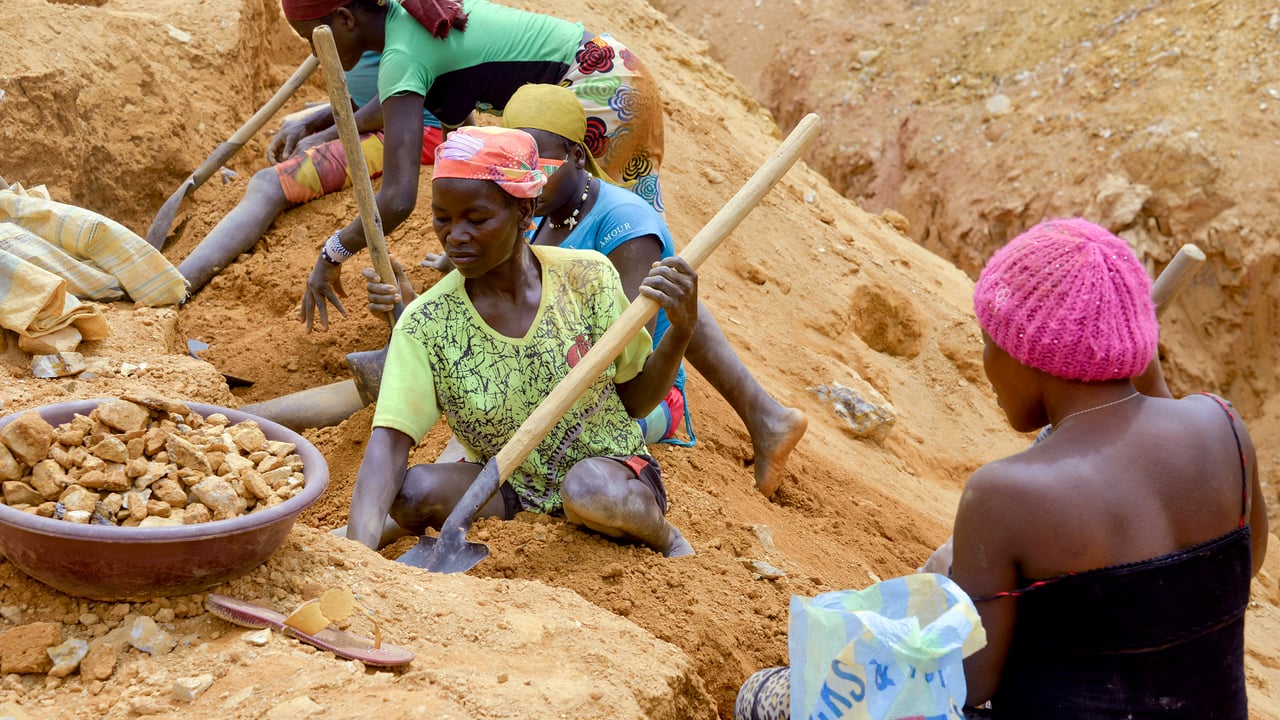

At the heart of East Cameroon, the Betare-Oya mining site has become the epicenter of a growing scandal. The collapse of a makeshift gold mine in Zamboï has not only claimed lives but also exposed deep-seated flaws in the region’s gold extraction industry.
Unregulated gold mining fuels environmental and human tragedies
Illegal mining operations in the area have escalated in recent years, driven by soaring global gold prices and limited government oversight. Local communities, desperate for income, have turned to artisanal mining, often under hazardous conditions. The recent disaster at Zamboï underscores the severe risks posed by unchecked extraction activities.
Lack of oversight exposes workers to deadly risks
Despite repeated warnings from environmental and labor activists, authorities have struggled to enforce safety regulations. Miners at Betare-Oya frequently operate without proper equipment, training, or legal authorization. The absence of structural integrity checks in these informal mines makes collapses not just possible but inevitable.
Environmental devastation accompanies illegal mining
The environmental toll of these activities is equally alarming. Toxic chemicals, including mercury, are routinely used to extract gold, contaminating soil and water sources. Rivers near mining sites now carry dangerous levels of pollutants, threatening both ecosystems and public health. Conservationists warn that if current practices persist, the region’s biodiversity could face irreversible damage.
Corruption and weak governance perpetuate the crisis
Industry insiders reveal that corruption within local authorities and law enforcement agencies enables illegal mining to thrive. Bribes and kickbacks allow operators to bypass regulations, while officials turn a blind eye to environmental violations. This systemic failure has created a cycle of exploitation, where profits flow to a few while communities bear the consequences.
Calls for urgent regulatory reforms
In the aftermath of the Zamboï tragedy, pressure is mounting on the Cameroonian government to intervene. Activists and affected residents demand stricter enforcement of mining laws, harsher penalties for violators, and investment in sustainable alternatives for local workers. Without decisive action, similar disasters will likely continue to unfold.
What’s next for Cameroon’s gold mining sector?
The future of gold mining in Cameroon hinges on balancing economic demands with safety and environmental responsibility. While the industry remains a vital source of income for many, its current trajectory is unsustainable. Policymakers must prioritize regulation, rehabilitation of degraded sites, and support for legal, ethical mining practices.
As the nation grapples with these challenges, the Betare-Oya collapse serves as a stark reminder of the human and ecological costs of unchecked industrial activity.