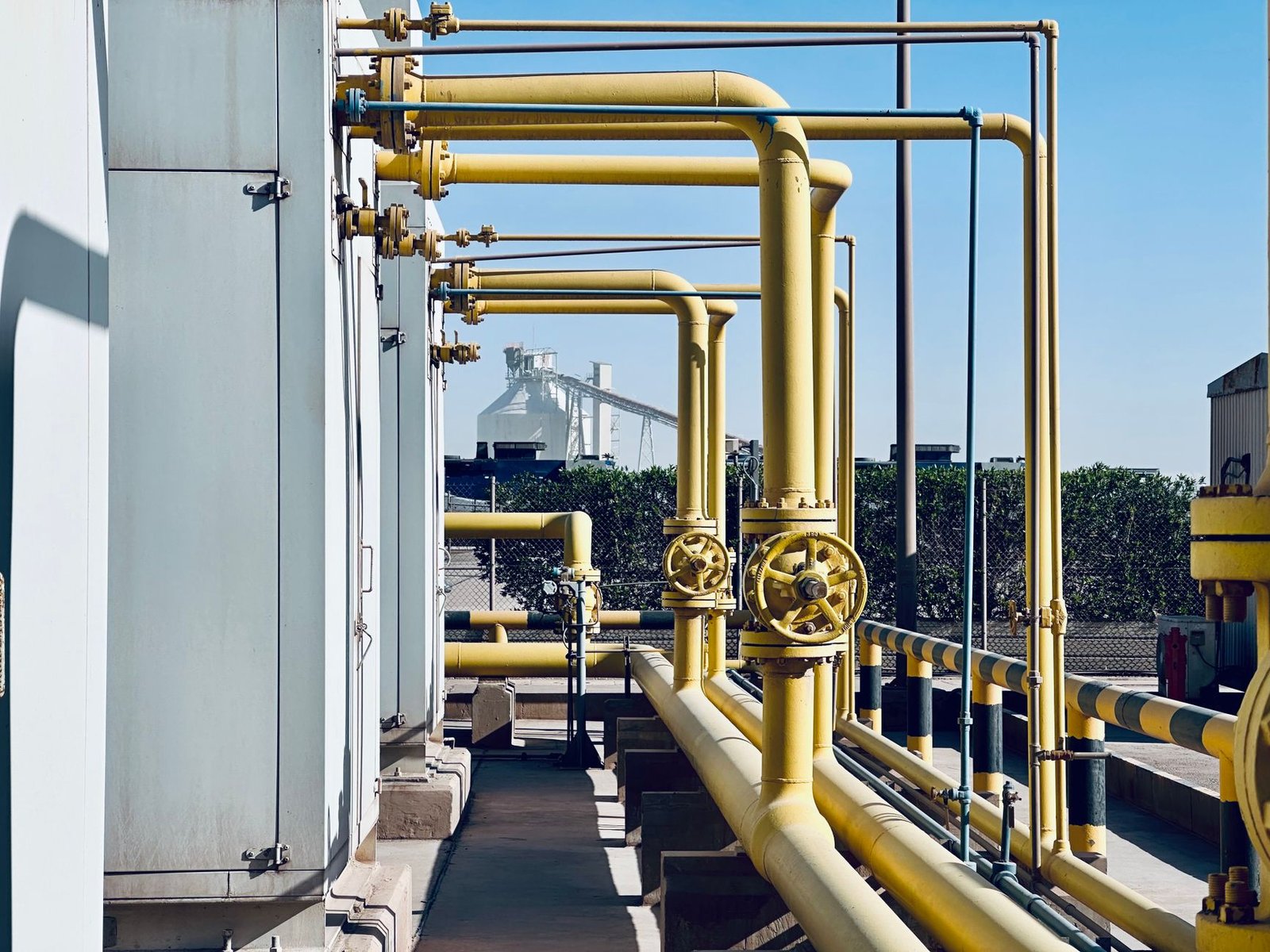
The Chad-Cameroon pipeline has solidified its position as a fundamental revenue stream for Yaoundé. Between 2020 and 2025, Cameroon’s public treasury recorded an impressive 222.2 billion FCFA in transit fees from Chadian crude oil transported to the Kribi maritime terminal. This significant sum, detailed in the Ministry of Finance’s Medium-Term Economic and Budgetary Programming Document for 2027-2029, translates to an average annual payment of 37 billion FCFA. These funds are collected in exchange for allowing the crude oil to traverse Cameroonian territory.
Chad, being a landlocked nation without direct access to the sea, relies entirely on this critical infrastructure to export its oil production. The transit fee collected by Cameroon is calculated on each barrel transported, based on a tariff periodically revised through agreements between both parties. This mechanism, combined with the actual volumes of oil transported and the prevailing dollar-FCFA exchange rate, ultimately determines the pipeline’s effective financial contribution to Cameroon’s public finances.
A revenue stream multiplied by 3.5 in a decade
A comparison with the pipeline’s initial decade of operation clearly illustrates the dramatic increase in scale. According to data from the Pipeline Steering and Monitoring Committee (CPSP), Cameroon had accumulated 85.5 billion FCFA in transit fees during the eight years following the facility’s commissioning on October 3, 2003. At that time, the average annual revenue stood at approximately 10.7 billion FCFA, a stark contrast to today’s 37 billion FCFA. Remarkably, recent collections over a two-year shorter window now exceed those of the entire first eight years by 136.7 billion FCFA.
This considerable leap, however, warrants careful analytical consideration. The profitability of the Chad-Cameroon pipeline is simultaneously influenced by the unit tariff applied per barrel, the physical volumes of oil transported, and the dollar-FCFA exchange rate. Without a publicly available annual breakdown of the 222.2 billion FCFA, it remains impossible to precisely isolate the exact contribution of each of these variables to the observed progression in revenue.
Unit tariff increased multiple times
The successive revaluation of the transit tariff stands as one of the primary drivers behind this revenue surge. Initially set at 0.41 dollars per barrel when the pipeline commenced operations, this unit price was first increased in 2013, and then again in 2018, reaching 1.321 dollars per barrel. Consequently, the tariff has more than tripled over fifteen years, mechanically inflating Cameroonian revenues irrespective of the volumes of crude oil conveyed.
A further revision was slated to take effect from October 1, 2023, in accordance with the agreed mechanism between the involved parties. However, no new rate has been publicly disclosed to date. This ongoing silence creates an area of uncertainty regarding the future trajectory of these transit fees, especially given that tariff negotiations frequently represent a recurring diplomatic challenge between Yaoundé and N’Djamena.
A comparison to handle with caution
A historical interpretation necessitates distinguishing between different accounting scopes. COTCO, the operator of the Cameroonian section of the pipeline, had previously reported approximately 200 billion FCFA remitted to the Treasury between 2004 and 2013. This figure, however, encompassed income tax and various other duties and taxes paid by the company, not solely the transit fee. Therefore, it cannot be directly compared to the 222.2 billion FCFA recorded for the 2020-2025 period, which exclusively pertains to the passage fee. The precise portion of the transit fee within the 200 billion announced by COTCO was never detailed, making the 85.5 billion FCFA from the first eight years the most consistent reference for comparison.
The current fiscal year continues to affirm the robustness of this revenue stream. As of the end of May 2026, Cameroon had already collected 15.1 billion FCFA in transit fees, according to CPSP figures. While this interim level does not predict the full annual outcome, it undeniably confirms the budgetary significance of the Chad-Cameroon pipeline in the revenues Yaoundé derives from the export of Chadian crude oil. The public announcement of the new tariff, anticipated since October 2023, remains one of the decisive factors for forecasting the trajectory of revenues in the coming years.