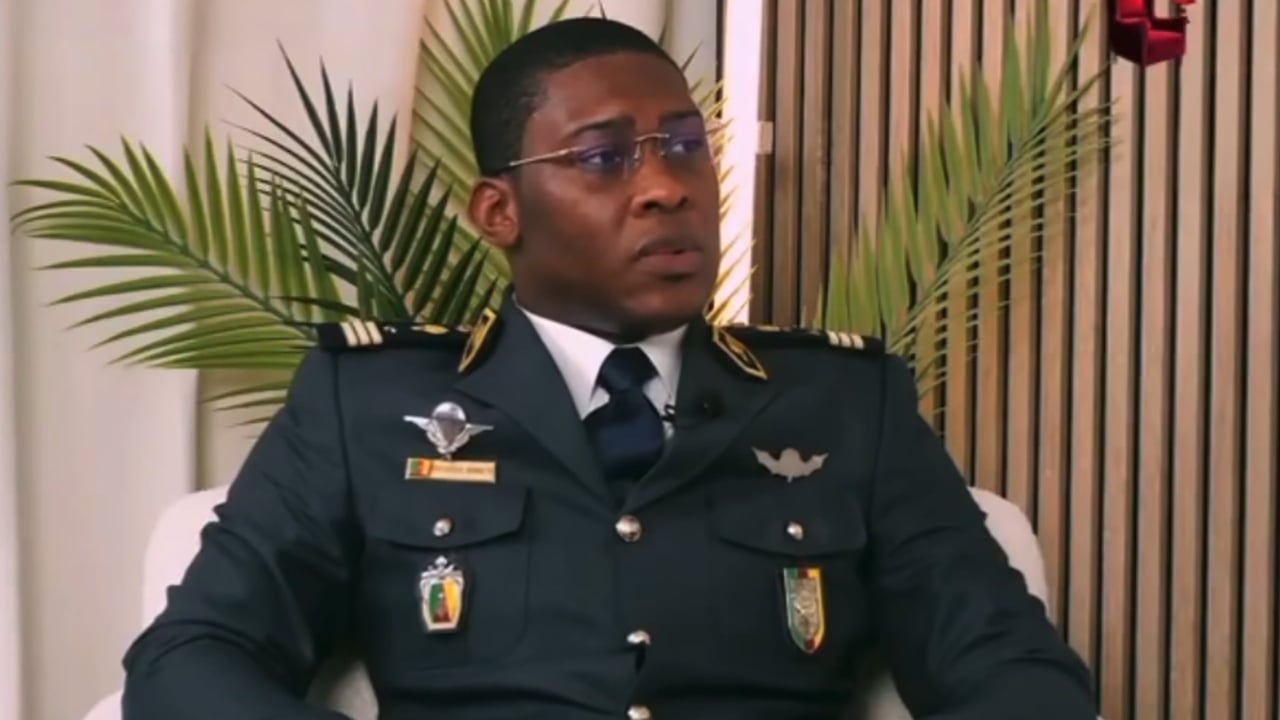

The recent accusations leveled by Captain Romuald Effoudou against Ferdinand Ngoh Ngoh, a prominent figure in Cameroon’s political landscape, have sent shockwaves through the nation. The allegations, which emerged during a high-profile press conference, have ignited fierce debates across social and traditional media platforms, placing the government under intense scrutiny.
What the captain disclosed about the scandal
Captain Effoudou’s statements, delivered with unwavering conviction, paint a damning portrait of corruption and misconduct within Cameroon’s administrative circles. At the heart of the controversy lies Ngoh Ngoh, a key advisor whose name has been repeatedly associated with controversial policies and opaque financial dealings. The captain’s revelations included specific claims of embezzlement and abuse of power, suggesting a systematic effort to undermine public trust in government institutions.
Key allegations raised by Effoudou
- Misappropriation of public funds: Effoudou asserts that significant sums earmarked for national development were diverted for personal gain by high-ranking officials, including Ngoh Ngoh.
- Abuse of authority: The captain alleges that decisions affecting thousands of citizens were made arbitrarily, bypassing legal frameworks to serve vested interests.
- Obstruction of justice: Effoudou claims that whistleblowers within the administration face retaliation, creating a climate of fear that stifles accountability.
These accusations have not gone unchallenged. Critics argue that the captain’s claims lack concrete evidence, while supporters demand an immediate, transparent investigation to restore faith in the system. The government, which has yet to issue an official response, faces mounting pressure to address the allegations head-on or risk eroding public confidence further.
Reactions from political and civil society
The scandal has fractured opinions among Cameroon’s political elite and civil society. Opposition figures have seized on the controversy, calling for Ngoh Ngoh’s resignation and a full audit of state finances. Meanwhile, pro-government voices have dismissed the accusations as politically motivated, accusing Effoudou of undermining national stability.
Civil society groups have taken to the streets in several cities, organizing protests to demand justice and transparency. Social media platforms are ablaze with hashtags like #JusticePourLeCameroun and #NgohNgohDémission, reflecting the public’s growing frustration with perceived impunity at the highest levels of power.
What happens next?
The coming days will be critical in determining the trajectory of this scandal. If the allegations are proven true, the fallout could reshape Cameroon’s political landscape, potentially leading to sweeping reforms. Conversely, if the accusations are debunked, Effoudou may face consequences for what some view as reckless defamation.
For now, all eyes remain on the government’s next move. Will it launch an independent inquiry, or will it dismiss the claims as baseless? One thing is certain: the public’s patience is wearing thin, and the demand for accountability has never been louder.