
The federalism question in Cameroon: a path to reconciliation?
As Cameroon grapples with deepening divisions, calls for a return to federalism have resurfaced with renewed urgency. The debate, reignited by ongoing tensions in the anglophone regions, centers on whether restructuring the country’s governance model could heal the fractures threatening national unity.
National dialogue fails to unite key factions
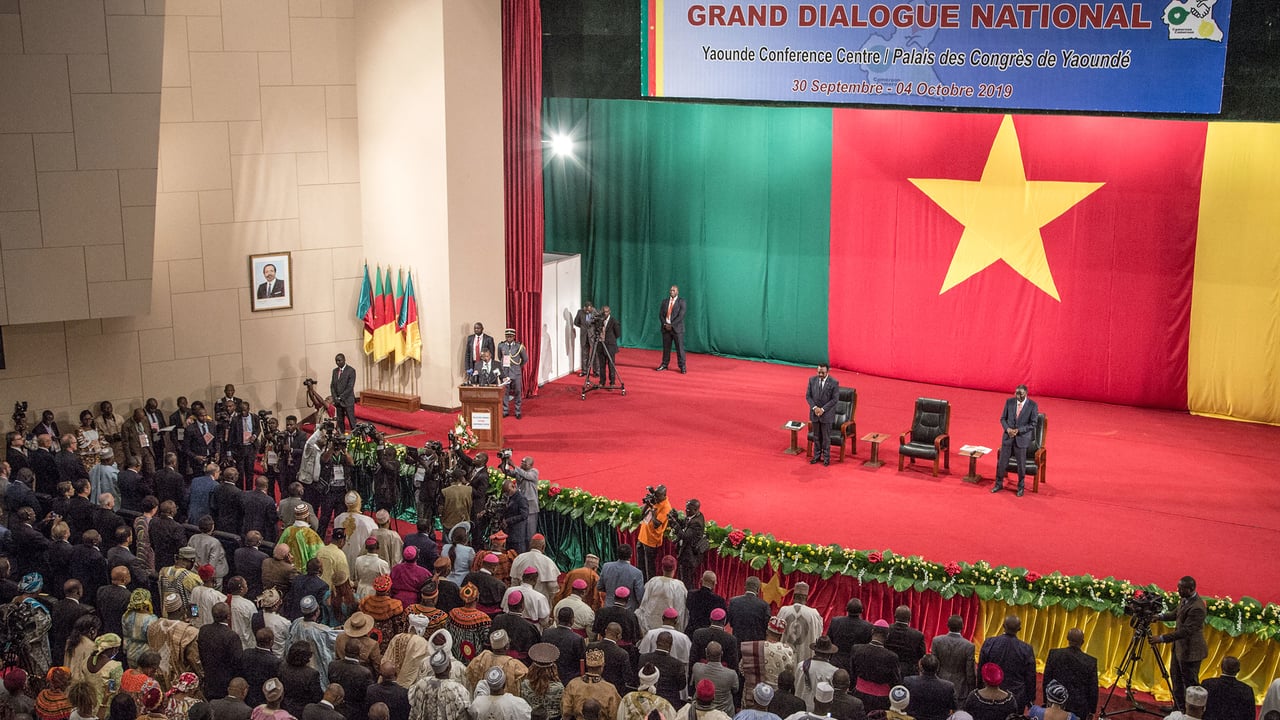
The government’s recent National Dialogue, held in Yaoundé in late September 2019, brought together political leaders, civil society representatives, and stakeholders from both francophone and anglophone regions. While intended to foster consensus, the initiative fell short of expectations after prominent separatist figures refused to participate. The absence of these critical voices left the dialogue’s outcomes largely symbolic, failing to address the core demands of the anglophone movement.
Prime Minister Joseph Dion Ngute, who chaired the sessions, emphasized the government’s commitment to resolving the crisis through dialogue. However, the refusal of separatist leaders to engage underscored the deep mistrust between the state and the anglophone community. This impasse has left many questioning whether federalism—or any governance reform—can realistically bridge the divide.
Historical roots of Cameroon’s federal experiment
Cameroon’s brief experiment with federalism in the 1960s, under President Ahmadou Ahidjo, provided a framework where anglophone and francophone regions operated with significant autonomy. The system was dismantled in 1972 when the country transitioned to a unitary state, a move critics argue marginalized the anglophone minority and fueled grievances that persist today.
Advocates for federalism argue that a return to this model could restore balance by granting the anglophone regions greater control over their political and economic affairs. Supporters point to the need for decentralization to address longstanding inequities in resource distribution and governance. Yet, opponents caution that federalism could further destabilize the country, particularly in a context of heightened separatist sentiment.
Can federalism unite a divided nation?
The debate over federalism in Cameroon is not merely political—it is existential. For some, it represents the last hope for national cohesion; for others, an acknowledgment of failure. President Paul Biya’s administration has so far resisted structural reforms, instead favoring a centralized approach to governance. But with the anglophone crisis showing no signs of abating, the pressure to reconsider the country’s constitutional framework is mounting.
As Cameroon stands at a crossroads, the federalism debate forces the nation to confront a fundamental question: Can a country fractured by language, history, and politics ever reunite under a single, unified system? Or will the push for federalism become the catalyst for further division?