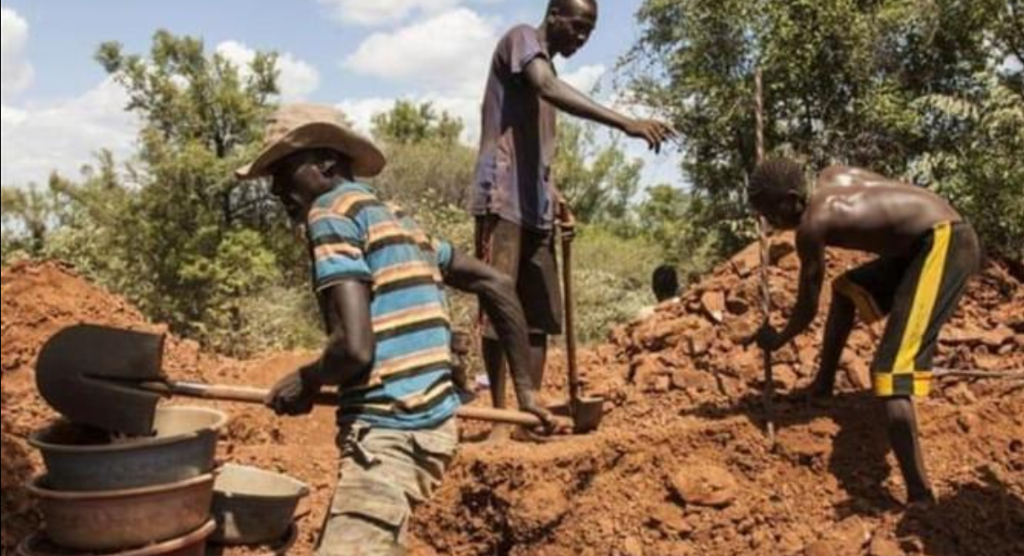
The quest for survival drove thousands of Burkinabè gold miners to Guinea’s artisanal sites. Now, as they are forcibly repatriated, the underlying reasons behind their exodus and return reveal a much deeper crisis—one that threatens their futures and the stability of their homeland.
The exodus that wasn’t just about gold
For many of these miners, leaving Burkina Faso wasn’t a choice but a necessary escape. Years of terrorist attacks, military operations, and widespread insecurity had made rural life unsustainable in large parts of the country. Villages were abandoned, farmlands became battlegrounds, and the economy ground to a halt in regions under siege. The allure of Guinea’s gold-rich Siguiri region offered a temporary lifeline: a way to earn money, support their families, and, for some, send remittances back to relatives still struggling in Burkina Faso.
The illusion of safety in Guinea
In Guinea, despite the grueling conditions of artisanal mining—dangerous labor, environmental degradation, and exploitation—these workers carved out a precarious existence. For many, it was the first time in years they could send regular income to their families. But that fragile stability came crashing down when Guinean authorities launched sweeping expulsions of foreign miners deemed to be working illegally. The crackdown, while within Guinea’s sovereign rights, left thousands abruptly jobless and scrambling for alternatives.
Human costs of expulsions
The immediate impact was loss of income, but the deeper loss was the collapse of a lifeline built from scratch. Some miners returned with savings; others arrived with little more than the clothes on their backs. For those who had fled violence in their original villages, the thought of returning to Burkina Faso revived old fears: Would their homes still stand? Would their lands be accessible? And, worst of all, could they face the same threats they had fled?
Returning to a Burkina Faso on the edge of collapse
The real crisis begins upon arrival. Burkina Faso is still reeling from a decade of insecurity, with terrorist groups controlling large swathes of the countryside. Displacement camps are overflowing, and urban centers like Ouagadougou and Bobo-Dioulasso strain under the weight of millions of internally displaced people. Jobs are scarce, housing is unaffordable, and social services are stretched to the limit. For the returned miners, this environment is anything but welcoming.
Where will they go? What will they do?
The same communities that once struggled to accommodate displaced families now face more arrivals with no means of support. Many miners cannot return to their villages due to ongoing violence. Others may attempt to integrate into overburdened cities, only to find themselves in the same cycle of poverty and uncertainty. Without immediate assistance—food, temporary shelter, access to healthcare—they risk falling into deeper desperation.
The recruitment shadow: when poverty meets extremism
Desperation, as history has shown, can make individuals vulnerable to recruitment by armed groups. Though not all poor or displaced people turn to extremism, the risk is real in a country where terrorist groups actively exploit grievances against the state. A young man with no job, no income, and no hope can become an easy target—especially if he feels abandoned by institutions meant to protect him. While most expelled miners will not join such groups, the potential for recruitment cannot be ignored in a conflict that has already radicalized thousands.
From expulsion to opportunity: can Burkina Faso turn the tide?
Repatriation alone is not a solution. Burkina Faso must implement a robust reintegration strategy—one that identifies returned miners, assesses their needs, and provides targeted support. This could include:
- Emergency aid: Food assistance, temporary cash transfers, and access to basic services
- Vocational training: Programs tailored to artisanal mining skills or alternative livelihoods (agriculture, trade, construction)
- Support for returnees unable to go home: Safe relocation support or livelihood initiatives in stable regions
- Coordination with local authorities: Mapping displaced populations, securing host communities, and preventing social tensions
Beyond humanitarian aid, diplomatic engagement with Guinea is essential. A respectful, rights-based dialogue could clarify migration regulations, protect workers’ rights, and prevent future abrupt expulsions that leave thousands in limbo.
The bigger question: what future for those who returned?
Expelled miners are not just economic victims; they are the human face of Burkina Faso’s unending crisis. Their return should not mark the beginning of a new chapter of suffering. Rather, it is an opportunity to demonstrate whether the state can protect and uplift its most vulnerable citizens. If these men are left in the lurch—homeless, unemployed, and forgotten—the consequences could ripple far beyond their families. A society that fails to reintegrate those who flee danger and return to nothing only sows the seeds of future instability.
The expelling crisis may have begun in Guinea, but its resolution must begin at home.