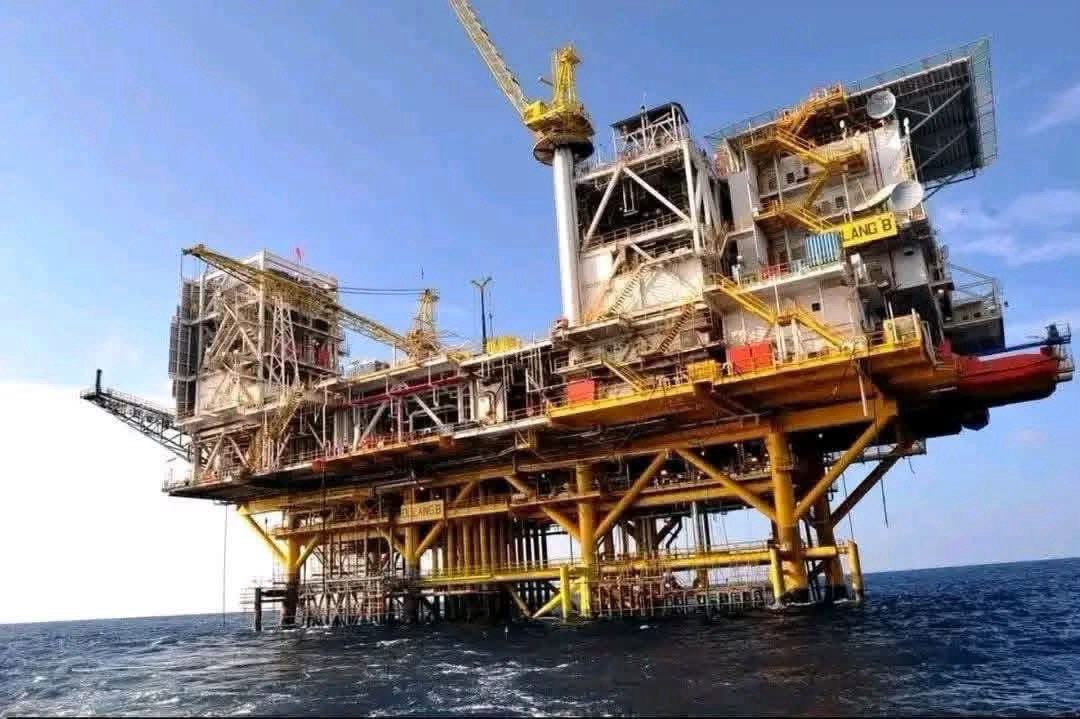
The oil sector in Benin has quietly entered a new chapter. After nearly three decades of inactivity, the country has resumed exporting crude oil, with the first shipment of approximately 330,000 barrels from the offshore Sèmè field bound for European markets. This milestone signals the revival of a once-dormant resource and Benin’s re-entry into the global oil trade.
The operation centers around the *Kriti Jade*, a tanker now en route to Rotterdam, Netherlands, with an anticipated arrival date of November 18, 2026. The resumption of Sèmè’s crude oil production previously halted in the late 1990s follows a complex process of technical overhauls, revitalization investments, and strategic partnerships, spearheaded by Akrake Petroleum Benin since early 2026.
Why the pause lasted three decades
The Sèmè oil field, located offshore in the Gulf of Guinea, first saw commercial exploitation between 1982 and 1998. Its shutdown stemmed from a combination of declining output, mounting technical challenges, and shifting global energy dynamics that made continued operations unviable. For nearly 30 years, the field lay dormant, cutting off a potential revenue stream and delaying Benin’s ability to diversify its economy through domestic resource utilization.
The anatomy of a revival: investments, technology, and persistence
Reviving Sèmè was no small feat. It required substantial capital infusion, advanced geological surveys, deep offshore drilling, and rigorous project management. The transition from rehabilitation to full-scale production in Q1 2026 marked a pivotal shift from potential to actual oil output. Yet success hinges on more than technical execution it demands a long-term strategy for resource management, revenue transparency, and sustainable operations.
Key milestones in the restart
Restoration of aging infrastructure and drilling platforms
Formation of a specialized local workforce through targeted training programs
Establishment of safety and environmental compliance protocols for deep-sea operations
Negotiation of fiscal terms ensuring a fair share of revenue for the state
Economic ripple effects: beyond the oil barrel
While crude oil exports represent a symbolic and practical leap, their true value lies in the broader ecosystem they may help grow. The offshore industry can catalyze growth in adjacent sectors such as maritime logistics, industrial maintenance, engineering services, and port infrastructure. These developments could unlock opportunities for local businesses, create skilled employment, and foster technological transfer provided that local content policies are prioritized and enforced.
Such diversification is critical in a country heavily reliant on agriculture, trade, and port activities. By adding hydrocarbons to its economic portfolio, Benin gains a strategic hedge against global price volatility and reduces dependence on imported energy products even though refined fuels will still need to be imported.
A strategic asset, but not an energy independence silver bullet
It’s essential to clarify: exporting crude oil does not immediately translate into cheaper fuel for domestic consumers. Sèmè’s output is destined for international markets, not local refineries. Without functioning domestic refining capacity, Benin will continue to import processed petroleum products such as gasoline and diesel. This dual reality underscores the importance of long-term planning potentially including feasibility studies for a future national refinery based on production volumes, crude quality, and market demand.
Overcoming the sustainability test
The path to success for Sèmè’s oil venture will be determined by four critical factors:
Production stability: Can the field maintain consistent output levels over time?
Operational safety: Are environmental safeguards and emergency response systems robust enough for deep offshore drilling?
Revenue integrity: Will oil proceeds be allocated efficiently to public investment, avoiding mismanagement or embezzlement?
Local integration: Can domestic industries participate meaningfully, or will the sector remain dominated by foreign firms?
Environmental stewardship in deep-sea operations
Operating in sensitive marine environments demands strict adherence to environmental standards. The risk of spills, ecosystem disruption, and long-term ecological damage is a reality that demands proactive mitigation. Regulatory oversight must be reinforced, and international best practices in offshore safety and pollution prevention must be adopted to protect Benin’s coastal and marine biodiversity.
The long game: turning black gold into lasting prosperity
The real measure of Benin’s oil revival will not be the volume of the first cargo, nor even the recurrent shipments that follow. It will be measured by how effectively the country converts this newfound resource into enduring economic benefits jobs, infrastructure, education, and sustainable public services. Transparent reporting on production volumes, export earnings, and fiscal allocations will be vital in building public trust and ensuring accountability.
“A single shipment can launch a sector, but a sustained program turns raw potential into national progress.”
For now, Benin stands at the threshold of a new era not as a petro-state, but as a country reclaiming a dormant asset with the potential to reshape its economic future. Whether this promise is fulfilled depends not on the scale of the first cargo, but on the discipline with which this resource is managed for generations to come.
By Claire Mvondo — Journalist