After years of strained relations that culminated in a protracted border blockade, Niger and Benin are on the brink of a historic diplomatic thaw. Recent high-level talks in Cotonou have paved the way for the reopening of their shared frontier, closed since the Nigerien coup of July 26, 2023.
Milestone talks set the stage for normalized relations
Over the weekend, delegations from both nations engaged in intensive two-day negotiations that yielded significant progress. Key agreements include enhanced security cooperation, duty-free transit for goods, restrictions on certain product flows, and the revision of multiple tariffs. These breakthroughs were announced following meetings between Nigerien Interior Minister General Mohamed Toumba and Beninese officials.
General Toumba emphasized the security-first approach, stating: ”We have secured our priority: security. We have also laid the foundations for economic and legal normalization that will create value for our economies, security for our populations, and hope for our youth.”
Benin’s Industry and Trade Minister, Oleshegun Adjadi Bakari, echoed this optimism, declaring: ”After 48 hours of shared dialogue, we stand as one delegation with a single mission: to rekindle the centuries-old bond between our peoples.”
Diplomatic momentum builds after regime change
The thaw traces back to Benin’s presidential transition in April, when Romuald Wadagni assumed office. Within a week of his inauguration, he embarked on a landmark visit to Niamey on June 2, signaling the first thaw in relations frozen since 2023.
This presidential engagement accelerated negotiations, leading to the establishment of a joint commission tasked with addressing the root causes of the border closure. Both governments have since committed to removing all obstacles to deeper cooperation.
The roots of a three-year rift
Relations deteriorated sharply after Niger’s military takeover in July 2023, which brought General Abdourahmane Tiani to power. The new regime accused Benin’s former president, Patrice Talon, and other regional leaders of plotting a military intervention under ECOWAS auspices to restore constitutional order.
Accusations flew thick and fast: Niamey claimed Cotonou harbored French troops plotting an invasion, while Benin consistently denied these assertions. The dispute escalated further with sanctions imposed by ECOWAS, including the closure of regional borders—a move that deepened the crisis.
The rift was further exacerbated by mutual accusations of supporting armed groups and coup plotters, including following an attempted putsch against Patrice Talon in December 2024.
Economic fallout hits communities hard
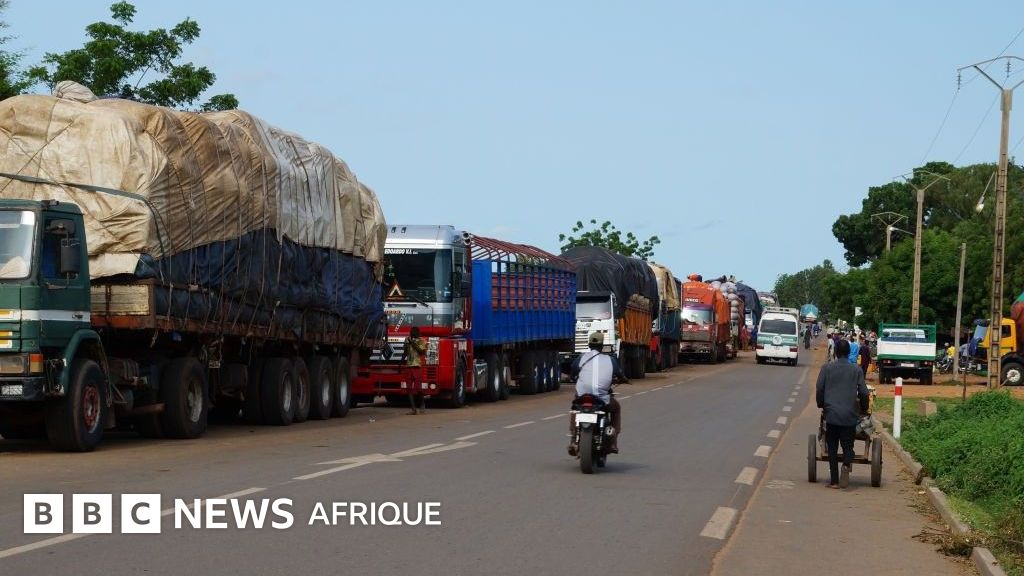
The border closure has devastated commerce along one of West Africa’s busiest trade corridors. Ibrahim Abou Koura, a Nigerien transporter based in Cotonou, described the crisis’s human toll: ”These are our people who are suffering.” Once-thriving warehouses now stand nearly empty, as goods destined for Nigerian markets pile up along the Malanville border crossing.
For landlocked Niger, the closure has crippled trade dependent on the Port of Cotonou. Gamatie Mahamadou, Secretary-General of Nigerien truckers, noted: ”The Niger-Benin corridor was once the safest, most profitable route for transporters and businesses.” Now, communities on both sides face shortages of essential goods, particularly cereals.
The economic ripple effects extend beyond trade. The Port of Cotonou, Niger’s primary gateway for international commerce, has seen activity plummet. Meanwhile, Niger has redirected some trade flows to Lomé’s port, forcing transporters to navigate longer, riskier routes through Burkina Faso—where jihadist attacks pose daily threats.
The standoff also disrupted oil flows via the 2,000-kilometer pipeline linking Niger’s northeastern fields to Benin’s Seme-Kpodji terminal, managed by Chinese firm WAPCO. This suspension dealt a further blow to both nations’ economies.