The transitional government of Burkina Faso, which assumed power following the September 2022 coup, has responded to a recent resolution by the European Parliament regarding human rights and public freedoms with defiance rather than constructive engagement.
Rather than addressing the concerns raised in the resolution, authorities in Ouagadougou have opted to summon the European Union’s representative in the country, signaling their refusal to engage in transparent dialogue. Observers suggest that a more productive response would have involved inviting a delegation of European lawmakers to witness firsthand the conditions on the ground.
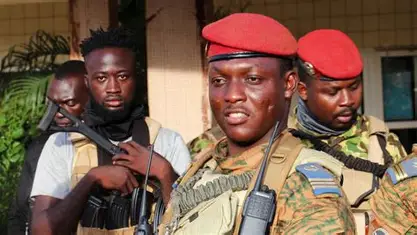
While Burkina Faso’s leadership asserts that the nation is experiencing unprecedented territorial pacification and economic progress under Captain Ibrahim Traoré’s leadership, tangible evidence remains scarce. A formal invitation to European parliamentarians could provide an opportunity to substantiate these claims, shifting the debate from rhetoric to verifiable facts.
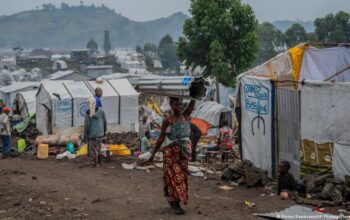
Despite official declarations of restored sovereignty and security, international organizations continue to highlight persistent insecurity in certain regions, alongside growing concerns over fundamental freedoms and humanitarian conditions. The European Parliament’s resolution reflects these documented challenges, drawing on reports from the United Nations, human rights organizations, and independent sources.
In this context, the most effective response from Burkina Faso would be to embrace transparency by welcoming international observers. Such a gesture would not only reinforce the credibility of the government’s assertions but also foster trust with global partners. Ultimately, the crux of the matter lies in whether the claimed security and economic achievements can withstand independent scrutiny—an issue a visit by European legislators could help clarify.