This week, Cotonou stands at the epicenter of a groundbreaking movement in Benin’s educational landscape. From June 22 to 26, 2026, the Azalaï Hotel is hosting a pivotal workshop dedicated to crafting a National Curriculum Framework—a visionary initiative spearheaded by Minister Armand Kuyema Natta. The mission is clear: to overhaul the nation’s education system, ensuring it evolves from early childhood education through higher learning in a cohesive, modern, and socially relevant manner.
a unified front for the future of Benin’s youth
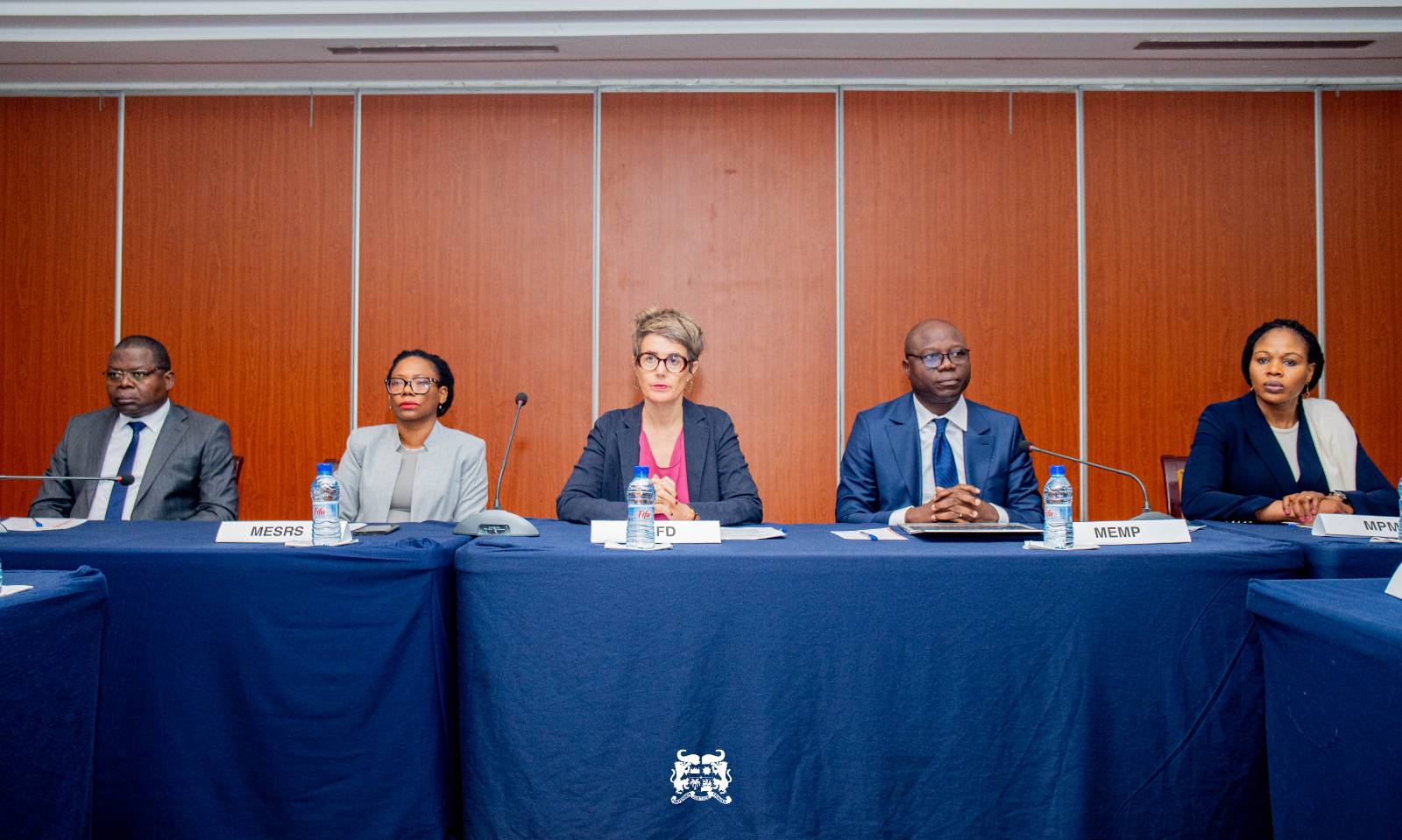
The kickoff ceremony on June 22, 2026, underscored the historic nature of this reform, drawing an unprecedented assembly of key stakeholders. Ministers overseeing every tier of education—from early childhood to primary, secondary, higher education, scientific research, and technical and vocational training—converged to participate. The gathering also included a representative from the National Education Council (CNE) and Madame Laure Weisgerber, Director of the French Development Agency (AFD), who led the delegation of technical and financial partners.
This collective mobilization signals a bold departure from the fragmented approaches of the past. The goal is no longer to revise curricula in isolation but to foster an integrated, inclusive dialogue that spans the entire educational ecosystem. By breaking down administrative silos, the government is paving the way for a system where continuity and alignment become the cornerstones of learning.
curriculum as a reflection of Benin’s societal vision
During the opening session, Wilfried Guezodjè, Permanent Technical Secretary of the Sectoral Education Plan, delivered a keynote address that framed the curriculum not as a mere administrative document but as a mirror of society’s aspirations. He emphasized that the revision process is fundamentally about shaping the citizens of tomorrow.
« The curriculum isn’t just a pedagogical tool; it embodies the values and priorities we choose for our children. It determines not only what they learn but the kind of individuals we aim to cultivate. »
Guezodjè described the task as both demanding and hopeful, highlighting the collective ambition to equip every Beninese child with the skills needed for personal fulfillment and future employability. The challenge lies in blending local relevance with international standards, ensuring that education remains both practical and globally competitive.
moving beyond isolated reforms
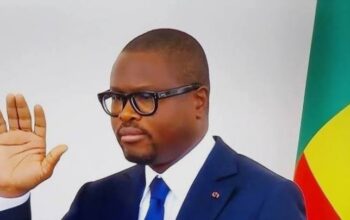
The morning session reached its peak with a keynote by Minister Armand Kuyema Natta, who chairs the committee of education ministers. His speech was a candid assessment of past efforts and a compelling case for the current workshop’s urgency.
While the government has successfully reopened and updated multiple primary and secondary programs, these isolated reforms often lacked depth and continuity. As the minister noted, « Updating programs in isolation, no matter how thorough, is insufficient. » The true test of an effective education system lies in seamless transitions: a primary graduate should seamlessly integrate into secondary education, and a high school graduate should arrive at university with the foundational skills required for their field of study. The National Curriculum Framework is designed to address these gaps, serving as the guiding thread that unites all levels of learning under a shared vision.
international backing for a transformative project
Such a sweeping transformation demands robust support and sustainable partnerships. Madame Laure Weisgerber, Director of the AFD, reinforced her institution’s unwavering commitment to this initiative during the event. Technical and financial partners view this reform as a catalyst for maximizing the impact of investments in the education sector. By aligning programs with real-world labor market needs—particularly in technical and vocational training—the Beninese government is positioning itself to tackle youth unemployment and catalyze economic growth.
a decisive step toward Benin’s future
The workshop, concluding on June 26, marks a defining moment in Benin’s educational journey. It represents a renewed social contract between the state, educators, families, and learners, prioritizing coherence over hasty change. The drafting of the National Curriculum Framework is a monumental milestone, even as the real work—implementation—lies ahead. Yet, the political will demonstrated this week, backed by international partners, paints a promising picture for the future of Benin’s schools: an education system that is more unified, inclusive, and future-focused than ever before.