Congo’s top bishop slams referendum plans amid war
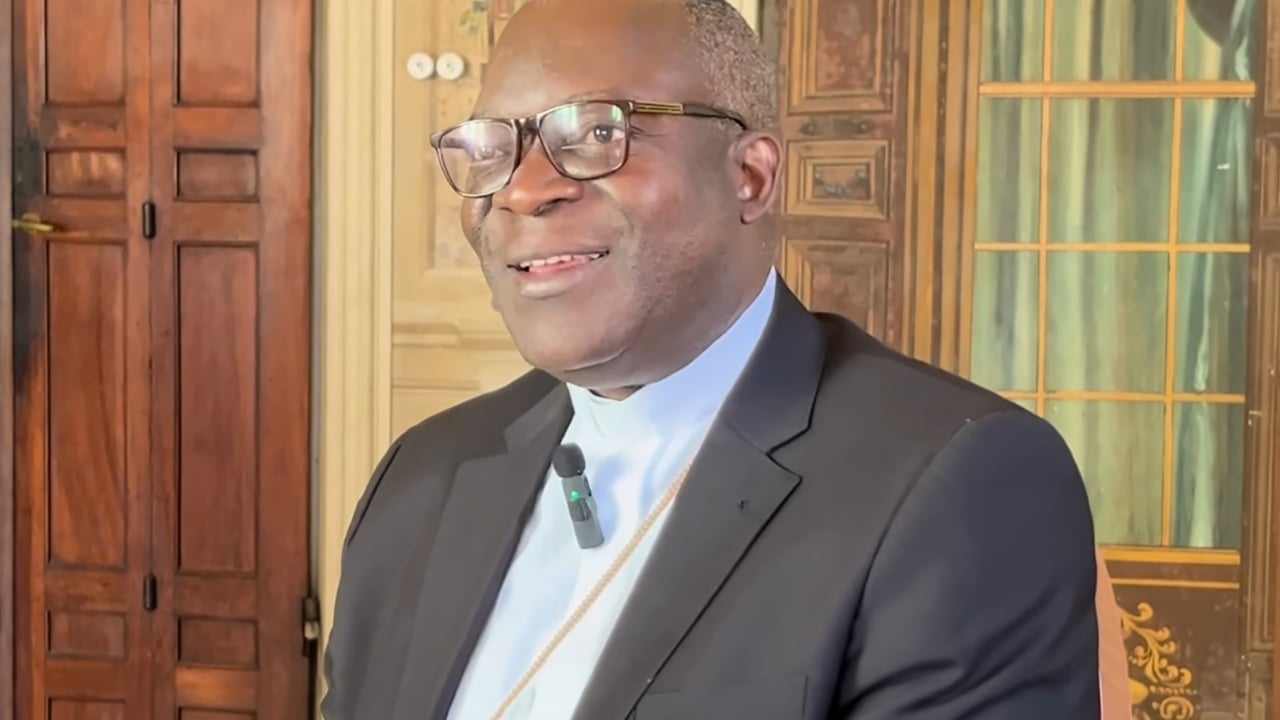
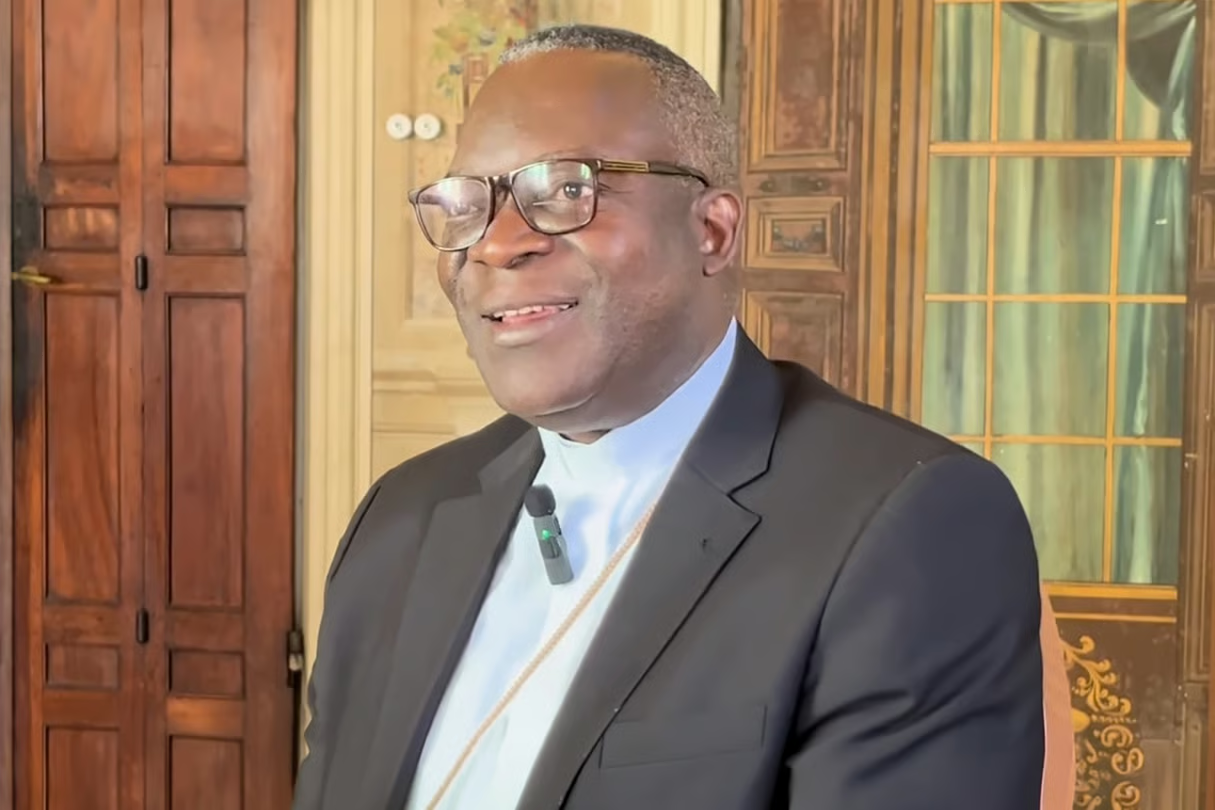
The head of Congo’s Catholic Church has forcefully criticized the government’s proposal to hold a referendum, arguing that the timing is deeply inappropriate given the country’s ongoing conflict. Bishop Fulgence Muteba, president of the National Episcopal Conference of Congo (Cenco), voiced these concerns in a recent statement, emphasizing that national priorities should shift toward peace rather than constitutional changes.
Why the referendum proposal faces strong opposition
Bishop Muteba’s stance reflects widespread unease about the referendum’s timing. With eastern Congo still grappling with armed rebellion and instability, many civic leaders believe that such a vote would further divide the nation at a critical moment.
The bishop’s comments highlight a growing divide between church leaders and government officials over the best path forward for Congo. While authorities argue that constitutional reform is necessary, religious and civil society figures warn that it could exacerbate tensions.
A call for national unity over divisive reforms
The National Episcopal Conference of Congo has long played a mediating role in the country’s crises. Bishop Muteba’s remarks underscore the institution’s commitment to dialogue and reconciliation, particularly in a climate where political decisions risk deepening divisions.
The bishop stressed that any constitutional changes should be postponed until stability is restored. His position aligns with broader concerns from opposition figures and international observers who fear that rushing such reforms could undermine Congo’s fragile peace process.
What’s next for Congo’s political landscape?
The debate over the referendum is far from settled. As the government pushes ahead with its plans, the Catholic Church’s outspoken opposition adds weight to the growing chorus of voices questioning the wisdom of holding a vote amid war.
With tensions rising, the coming weeks will be crucial in determining whether the referendum moves forward—or whether civic pressure forces a reevaluation of the government’s approach.