
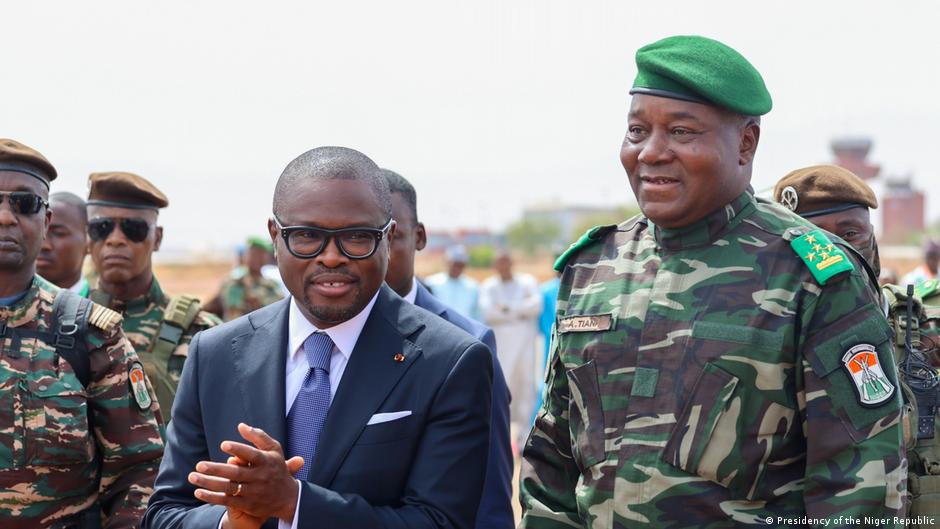
A joint expert committee’s findings have sparked fresh optimism about ending the three-year standoff between Bénin and Niger. Their report highlights progress on security protocols, transit rules, and shared economic interests—but Niamey’s insistence on three non-negotiable conditions could stall final approval.
Three red-line demands from Niamey
The Nigerien delegation in Cotonou has set clear prerequisites before any border reopening talks can advance:
- Mutual non-aggression pact: A binding defense agreement confirming neither country will host forces hostile to the other. Analyst Régis Hounkpè notes this is standard practice but gains urgency amid lingering tensions.
- Real-time intelligence sharing: Creation of a joint cell to monitor terrorism and cross-border trafficking, ensuring reciprocal transparency.
- Sovereignty safeguards: Full disclosure of foreign military partnerships near the border, addressing Niger’s unease over Bénin’s external alliances.
Hounkpè stresses that pragmatic cooperation outweighs ideological divides: « A fire stopped at the border benefits both sides—no budget in the Sahel can afford regional instability. »
Economic ripple effects of the blockade
The closure has crippled critical trade routes. As a landlocked nation, Niger relies on Bénin for 70% of imports via the Cotonou port, now choked with backlogs. Fuel and construction materials are diverted through riskier corridors, hiking logistics costs by 30–50% since 2023.
The 2,000km Niger–Bénin oil pipeline, designed for 90,000 barrels daily, lies idle—costing Niamey millions in lost revenue. Meanwhile, Bénin faces plummeting transit fees, with some sectors seeing a 60% drop in customs income. Congestion at the port has redirected trade to Togo and Nigeria, threatening Bénin’s status as a West African hub.
Human toll at the border
Markets in Malanville (Bénin) and Gaya (Niger) report a 50% drop in customers. Closed shops and vanished livelihoods have pushed communities into precarious survival modes, fueling smuggling and extortion. Families separated by the blockade face steep transport costs—often resorting to perilous pirogue crossings.
Diplomatic thaw driven by economics
The impetus for dialogue came from Bénin’s newly elected president, Romuald Wadagni, who met Niger’s General Abdourahamane Tiani in Niamey on June 2, 2026. The joint committee’s progress suggests a phased reopening could prioritize essential goods under stricter controls.
Hounkpè argues the presidents must prioritize survival over ideology: « Geography dictates cooperation. Shared security, logistics, and anti-terror efforts demand pragmatic solutions. » A successful deal could even set a precedent for AES and ECOWAS reconciliation, mirroring similar economic-driven détentes.
You may also like
Bénin et Émirats arabes unis renforcent leur coopération militaire et sécuritaire
At the un, Togo’s 2 million dollar African map gamble sparks outrage at home
In Cameroon questions arise over whether billions have vanished from the safes of the Special Criminal Court
At the Ouaga 2000 arena, Benin’s Amazones etch their names in handball history
Niger’s state narrative masks internal fractures after Niamey mutiny