
What transpired during the IMF mission to Senegal
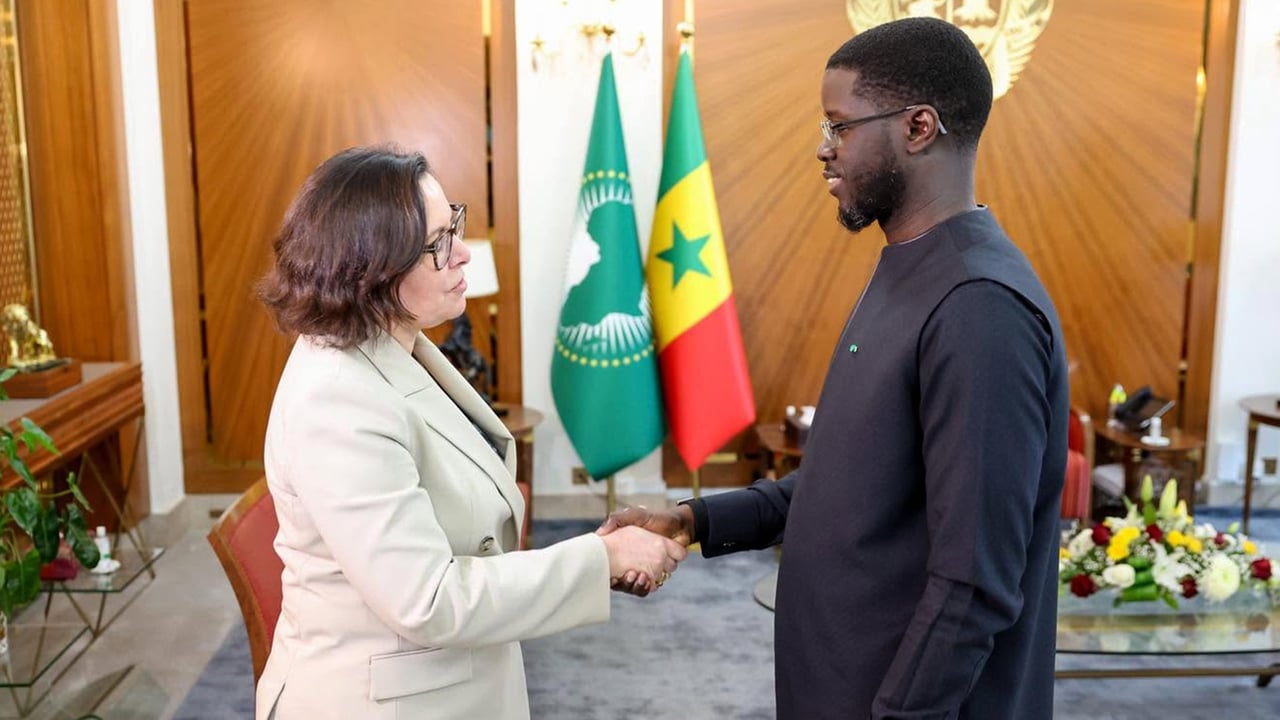
The International Monetary Fund’s recent visit to Dakar marked a pivotal moment in Senegal’s economic trajectory. Led by mission chief Mercedes Vera Martin, the delegation engaged in high-level discussions with President Bassirou Diomaye Faye and key government officials. The primary focus? Addressing the country’s mounting debt challenges while ensuring sustainable fiscal policies for long-term growth.
The IMF’s assessment highlighted both progress and areas requiring urgent attention. Among the most pressing issues was the revelation of previously undisclosed debt obligations, which have since become a focal point in national policy debates. The IMF emphasized transparency as a cornerstone for rebuilding investor confidence and securing future financing.
Key agreements and policy adjustments
The two-week mission culminated in several critical agreements:
- Debt restructuring framework: A structured approach to renegotiate terms with creditors, aiming to reduce immediate repayment burdens while maintaining fiscal stability.
- Fiscal consolidation measures: Commitments to curb unnecessary expenditures and redirect resources toward priority sectors like healthcare and infrastructure.
- Transparency initiatives: Enhanced reporting standards to ensure all debt obligations are publicly disclosed, aligning with international best practices.
- Social protection expansion: Safeguards to protect vulnerable populations from austerity measures, including targeted subsidies and social programs.
These measures reflect a delicate balance between economic reform and social equity, a challenge Senegal is navigating with careful deliberation.
Challenges ahead and the road to recovery
Despite the progress, significant hurdles remain. The IMF’s mission underscored the need for swift implementation of agreed-upon reforms. Delays in execution could erode hard-won gains and undermine investor trust. Additionally, the hidden debt scandal has sparked public scrutiny, with calls for accountability echoing across political and civil society circles.
President Faye’s administration faces a dual mandate: restoring fiscal credibility while addressing the fallout from past financial mismanagement. The IMF’s engagement offers a lifeline, but success hinges on sustained political will and robust governance.
As Dakar prepares for the next phase of negotiations, the stakes could not be higher. The outcomes of these talks will shape Senegal’s economic future for years to come, influencing everything from credit ratings to foreign direct investment.