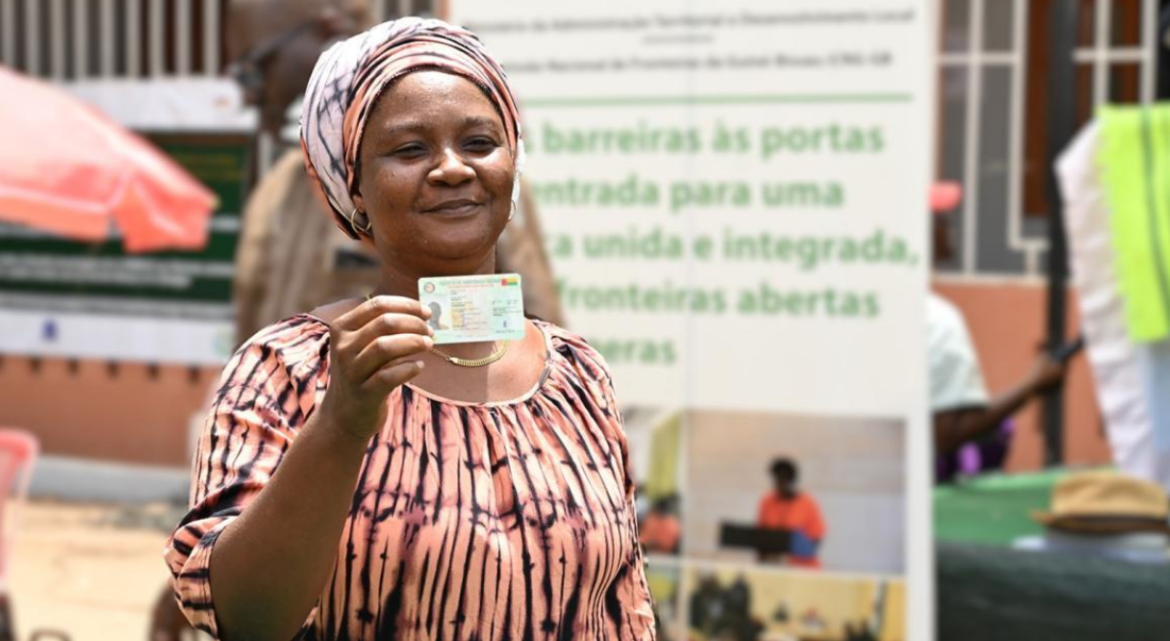
The upcoming rollout of the Community Biometric Identity Card (ENBIC) in West Africa isn’t just another policy announcement—it’s the result of years of negotiations, technical groundwork, and administrative groundwork. Scheduled to take effect on January 1, 2027, this reform seeks to turn theory into practice: no more visa requirements, no more border bureaucracy, just one valid ID to cross borders freely within the ECOWAS region.
The root causes: why now is the time for a biometric travel revolution
For decades, West Africa has flirted with the idea of seamless travel. The 1979 protocol on free movement of persons, residence, and establishment laid the philosophical groundwork. However, the lack of a standardized, tamper-proof identity document undermined progress. The ENBIC was introduced in 2014 to fix this gap—but implementation stalled due to technical hurdles, funding delays, and uneven enthusiasm among member states.
Fast forward to November 2026 in Freetown, Sierra Leone: at the annual gathering of heads of immigration services, a turning point was reached. The “Freetown Declaration” was adopted, officially recognizing the ENBIC as a valid travel document across all ECOWAS borders starting January 2027. This wasn’t a sudden decision—it was the result of two years of behind-the-scenes diplomacy to align legal, technical, and political frameworks.
What the Declaration of Freetown changes—and what it leaves to be solved
Under the new agreement, an ENBIC issued by any member state must be accepted at official border crossings, even if that country hasn’t fully completed its domestic rollout. That means travelers from Senegal can board a flight to Lagos using only their digital biometric card—no passport backup needed. This marks a radical shift from the old regime, where paper travel certificates often led to delays and disputes.
Still, success hinges on operational readiness. Immigration agencies must now:
- Upgrade verification systems to authenticate cards issued by neighboring countries in real time
- Train border agents on recognizing authentic biometric cards and detecting fraud
- Eliminate arbitrary fees or bureaucratic hurdles that could discourage use
- Submit national deployment plans by December 2030 with clear milestones
The ECOWAS Commission is tasked with creating a regional verification mechanism to ensure consistency. Without it, inconsistent border practices could erode trust in the system.
The human cost of waiting: why populations can’t afford more delays
Behind the bureaucratic jargon lies real life. For small-scale traders ferrying yams across Togo and Benin, for healthcare workers shuttling between Burkina Faso and Ghana, for students commuting between Côte d’Ivoire and Mali—the current system is a maze of permits, bribes, and lost days. The ENBIC could slash transit times, reduce costs, and unlock economic potential across the region.
Yet without proper implementation, the promise remains hollow. Travelers may still face delays if border agents refuse unfamiliar documents or demand additional proof of identity. The risk? Public disillusionment—and a setback for regional integration.
From Freetown to the frontier: the journey ahead for ECOWAS states
January 1, 2027, isn’t a finish line—it’s a starting point. Member states now face their biggest test: translating political will into functional reality. The next twelve months will determine whether this bold vision becomes a traveler’s dream or another bureaucratic footnote.
One thing is clear: the region has waited long enough. The ENBIC isn’t just about borders. It’s about dignity, opportunity, and finally making free movement more than a slogan.