How a strategic military move became a high-stakes gamble in the final hours before voting
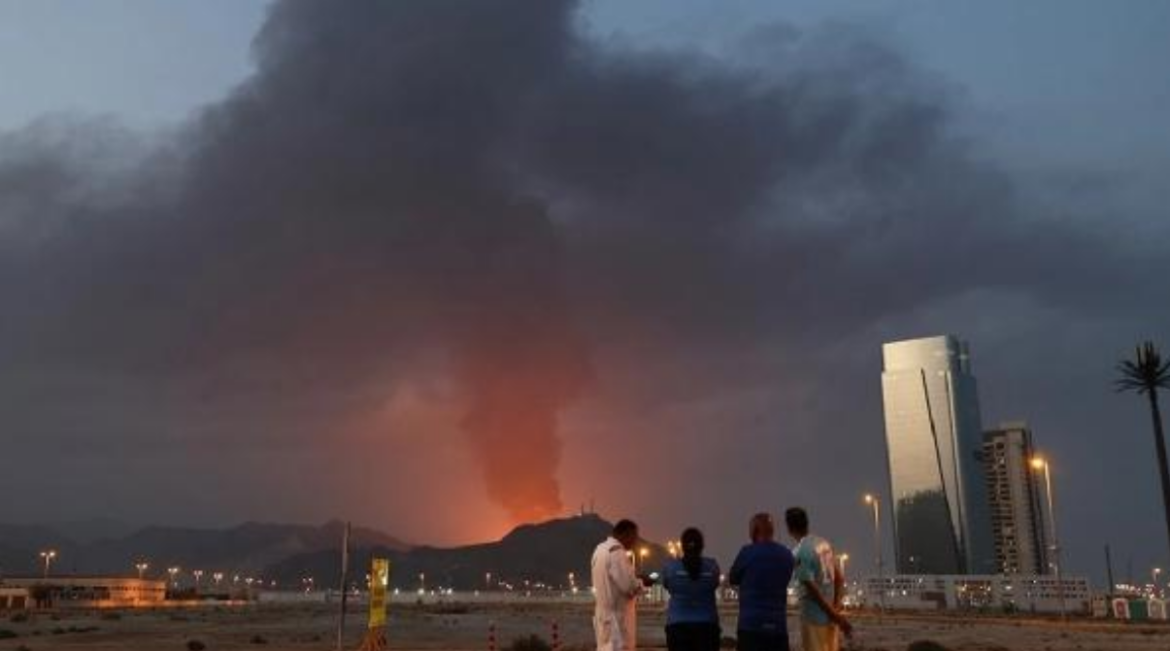
As American voters prepared to head to the polls for the critical midterm elections, Donald Trump made a bold decision: authorize fresh strikes against Iranian targets in the Strait of Hormuz, a move that would reignite Middle Eastern tensions and potentially weaken Republican prospects just days before the vote. On November 2, US forces targeted sites on Qeshm Island, positioning the administration’s foreign policy at the center of an already volatile electoral landscape.
The timing couldn’t have been more deliberate—or more contentious. Days before the attack, the president had publicly signaled openness to negotiations with Tehran, even touting the possibility of a breakthrough. But the sudden military escalation flew in the face of those assurances, giving opponents fresh ammunition to question the administration’s consistency and credibility on the global stage.
With the elections looming, Trump finds himself walking a tightrope: maintaining a tough stance against Iran to satisfy a segment of his base while avoiding the perception that his priorities lie more with foreign conflicts than domestic concerns.
From energy hub to political football: why the Strait of Hormuz matters beyond the battlefield
The Strait of Hormuz is far more than a flashpoint for military strategists—it’s a critical artery for the global economy. This narrow maritime corridor, wedged between Iran and the Arabian Peninsula, handles roughly 20% of the world’s oil supply. Disruptions here don’t just threaten regional stability; they send shockwaves through gas stations from California to New York, where volatile fuel prices already weigh heavily on consumer sentiment.
Iran’s history of flexing its naval power in the region has kept oil markets on edge for years. Each American strike raises the specter of retaliation, which could trigger supply chain disruptions and push gasoline prices even higher. For voters already squeezed by inflation, that scenario is a political liability in disguise. Democrats are poised to weaponize the issue, framing Trump’s military decisions as reckless choices that prioritize conflict over kitchen-table economics.
Yet, the president faces a paradox: backing down risks alienating hawkish supporters who demand firmness against Tehran, while doubling down could deepen public frustration with the rising costs of war. With midterm ballots set to reflect voter priorities, the Strait of Hormuz has quietly become ground zero for a battle far beyond the battlefield.
The quiet dissent within Trump’s own ranks
Behind the scenes, even Trump’s allies are divided over the wisdom of the pre-election strikes. Reports suggest some in the administration privately warned against escalation, fearing it would dominate campaign narratives and overshadow Republican efforts to focus on inflation and economic recovery. Their concerns underscore a broader unease: that the military move, intended to showcase strength, could instead overshadow GOP achievements—or failures—on domestic fronts.
The gamble extends beyond public perception. Should Republicans lose control of Congress, a Democratic-led House would gain unprecedented investigative power. Subpoenas could fly, military spending could face intense scrutiny, and Trump’s foreign policy decisions—including the Hormuz strikes—might become the subject of congressional inquiries. The stakes are high not just for the president’s legacy, but for the legislative agenda he hopes to advance in a divided Washington.
Election Day as a referendum on Trump’s Middle East strategy
The midterms have long been treated as a referendum on the sitting president, and this year is no exception. While national security questions rarely dominate turnout, the timing of the Hormuz strikes forces voters to weigh in on Trump’s handling of Iran—an issue that has morphed from a fringe talking point to a central voter concern. Polls show dwindling public support for the conflict, with approval ratings dipping below 40% in key swing states. Rising gas prices, stoked by fears of supply disruptions, only amplify the electorate’s unease.
For Trump, the challenge is clear: demonstrate resolve to a base that demands toughness while convincing an exhausted electorate that his military decisions won’t further strain household budgets. Whether the Hormuz strikes help or hurt those efforts remains uncertain. But one thing is clear: in the final hours before voting begins, the Strait of Hormuz is no longer just a strategic chokepoint—it’s a political wild card that could redraw the map of American power in Washington.