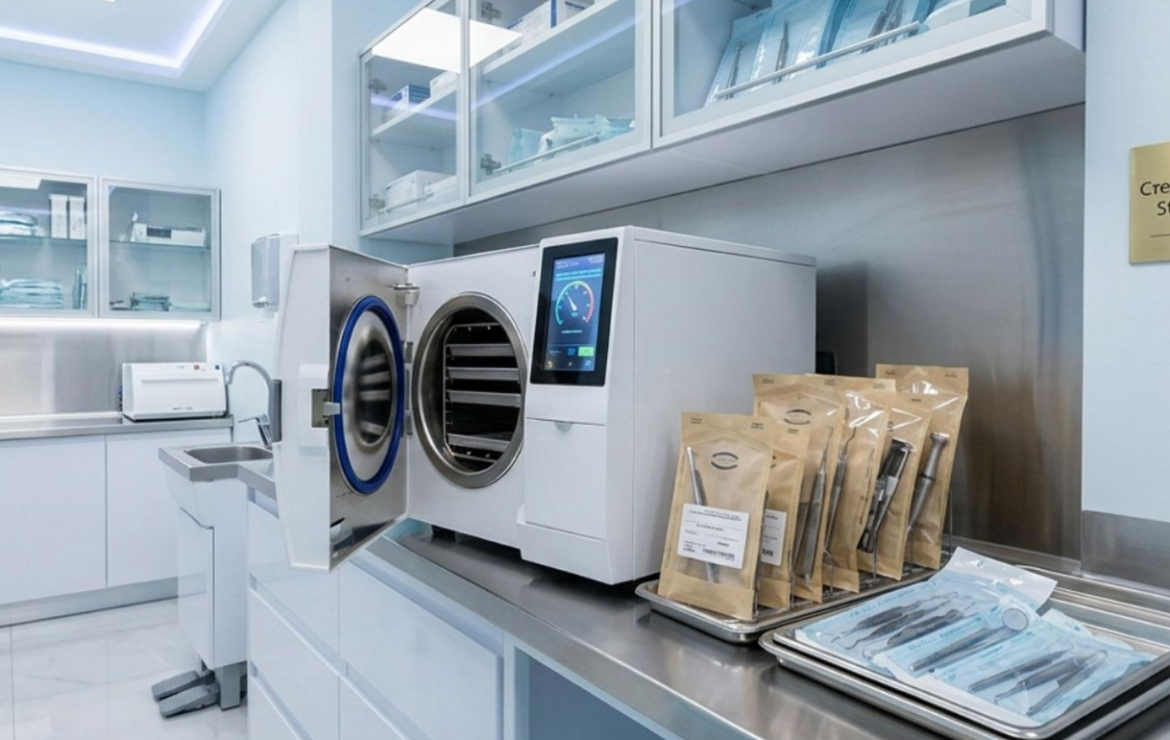
When a routine dental visit exposes patients to life-altering infections, the issue goes far beyond a single clinic’s failure. In Orléans, 500 patients are now being urged to undergo urgent HIV and hepatitis testing after an investigation uncovered critical lapses in dental instrument sterilization. But the deeper question is whether this incident is just the tip of the iceberg — especially for Africa’s dental care systems, where infection control remains a persistent challenge.
Why sterilization failure in a single French clinic could affect hundreds
In August 2026, a dental center in Orléans became the center of a public health alert after regional health authorities discovered a series of critical hygiene failures. Among the most alarming? The center continued using a sterilizer unit despite repeated test failures. Worse still, records showed gaps in packaging, storage, and tracking of dental tools — violations that directly compromise patient safety.
The Regional Health Agency (ARS) Centre-Val de Loire swung into action: the clinic’s operations were suspended, and every patient treated in August was contacted via a coordinated outreach program. While the probability of actual transmission remains low, authorities deemed it essential to take every precaution — because the stakes couldn’t be higher.
The hidden danger: how improper sterilization spreads bloodborne viruses
Dental instruments, including probes, scalers, and forceps, come into direct contact with blood and saliva. If not properly sterilized, residual contaminants can survive on reused tools, turning routine treatment into a potential source of infection.
Each use of inadequately sterilized equipment carries a risk — not just theoretical, but real. Studies show that viruses like HIV, hepatitis B, and hepatitis C can remain viable on contaminated dental tools even after attempted cleaning. That’s why health officials in Orléans are urging testing: to close the door on a possibility they cannot afford to ignore.
It’s not about assigning blame — it’s about breaking a chain of transmission before it begins.
The inspection behind the alert: what really went wrong
During a routine inspection, inspectors found more than just a faulty machine. They identified systemic issues: instruments were not properly packaged before sterilization, which violates international sterilization protocols. They were stored in unsanitary conditions, and most critically, there was no reliable system to trace which tools were used on which patients — a failure that makes patient notification nearly impossible if an infection is later detected.
These gaps reveal a deeper truth: sterilization isn’t just a box to tick. It’s a lifeline. And when that lifeline breaks, healthcare becomes hazardous.
Can dental patients in Africa trust their clinics? The tough truth
While this scandal unfolded in France, it casts a spotlight across the Mediterranean — and beyond. In many parts of Africa, dental clinics face immense challenges: limited access to high-quality sterilization equipment, inconsistent supply chains, and insufficient staff training in infection prevention.
Research conducted in Yaoundé, Cameroon, found that up to 60% of dental professionals had deficiencies in sterilization knowledge and practices. In some settings, reusable instruments were cleaned with alcohol or boiled water — methods completely ineffective against viruses like HIV and hepatitis C.
Such practices don’t just reflect resource gaps — they reflect a gap in safety standards. And that gap doesn’t discriminate between public and private clinics. Every patient deserves the same level of protection.
A continent-wide risk: when systems fail to safeguard patients
The consequences are stark. Untreated, hepatitis B and C infections can lead to chronic liver disease, cirrhosis, and liver cancer. HIV, if transmitted through contaminated instruments, represents a life sentence. These aren’t just medical risks — they’re social and economic ones, straining health systems and communities already under pressure.
To make matters worse, many African countries lack robust post-exposure protocols. While France has a structured system to notify and test affected patients, in many African nations, patients may never know they’ve been exposed — until symptoms appear.
What patients can do to protect themselves in any dental setting
Even with the best intentions, clinics can fail. So what can a patient do to stay safe?
- Watch the process: A well-trained dentist will always clean their hands or use sanitizer before each patient. They should wear fresh gloves for each new procedure.
- Inspect the tools: Ask to see instruments opened in front of you. They should come from sealed, sterile packaging — never reused from a tray without proper reprocessing.
- Speak up: If you notice reused needles, uncovered trays, or rushed hygiene, ask questions. A responsible practitioner will welcome your concern.
- Demand transparency: You have the right to know how instruments are cleaned and sterilized. If the answer is vague or dismissive, reconsider your choice of clinic.
Remember: no question about your safety is too small.
From Orléans to Africa: the urgent call for global hygiene standards
This episode underscores a universal truth: infection control isn’t optional. It’s the foundation of safe healthcare. From Orléans to Yaoundé, from Lagos to Nairobi, the same standards must apply.
Governments and health regulators must step up. Regular, unannounced inspections. Mandatory training in sterilization protocols. Investment in modern autoclaves and sterilization monitoring systems. And crucially — patient awareness campaigns to empower individuals to demand safer care.
Dental care should never come with a side of danger. But without vigilance, it can. The Orléans case is a wake-up call — one that Africa cannot afford to ignore.
A final reminder: when in doubt, get tested
If you suspect you’ve been exposed to improperly sterilized dental instruments, do not wait for symptoms to appear. Contact a healthcare provider immediately. Time is critical, especially for HIV exposure. Post-exposure prophylaxis (PEP) is most effective when started within 48 hours.
Don’t gamble with your health. Ask. Verify. Protect.