The long shadow of detention: how Serge Mathurin Adou’s case exposes systemic pressures
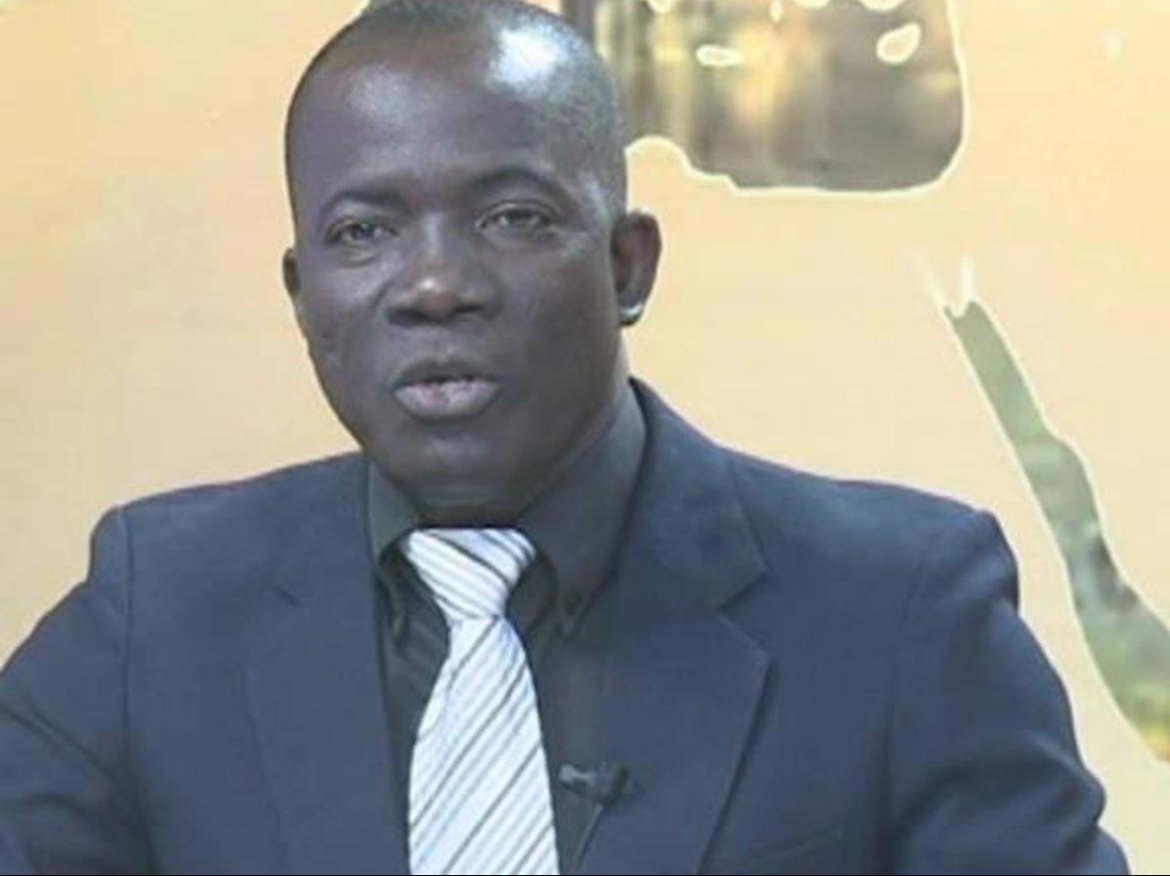
Two years after his sudden disappearance in Niamey, journalist Serge Mathurin Adou walked out of detention on November 11, 2026. His release signaled relief for his family, colleagues, and press freedom advocates. Yet beneath the welcome news lies a more troubling pattern: the steadily shrinking space for journalism in Niger since the July 26, 2023 coup led by General Abdourahamane Tiani.
Adou’s detention began on September 1, 2024, after authorities claimed he failed to appear for a judicial summons. Weeks passed without contact. Then, on September 23, 2024, Burkina Faso’s security minister named him among alleged conspirators in an alleged plot to destabilize Captain Ibrahim Traoré’s government. By November 11, 2024, Niger charged Adou with “threatening state security.” One year later, he received a two-year sentence. The prosecution had initially sought two decades.
A web of transnational tensions and legal ambiguity
What made Adou’s case particularly opaque was the cross-border nature of the accusation. Although Burkina Faso flagged his name in a transnational security narrative, Nigerian courts pursued the charges domestically. Such jurisdictional overlap raises questions about how security allegations are shared between Sahel neighbors and how readily journalists become collateral damage in regional geopolitical narratives.
The prosecution’s shift from potential 20-year demand to a two-year sentence suggests behind-the-scenes negotiations. Yet even that compromise does little to clarify whether judicial standards were applied consistently or whether political considerations influenced the final outcome. For media professionals, the lack of transparency fuels uncertainty about their own legal exposure when reporting on security matters.
From courtroom to newsroom: the climate of fear gripping Niger’s journalists

Adou’s ordeal is not an isolated incident. Since mid-2023, the media landscape in Niger has tightened significantly. Multiple local journalists have faced arrest, media outlets have been suspended, and self-censorship has become routine. The suspension of the Maison de la Presse in January 2024 removed a key collective voice for press workers. International broadcasters such as RFI, France 24, and later the BBC, were also barred from airwaves, further limiting pluralistic information sources.
On May 3, 2024, an internal review highlighted cases like Samira Sabou, Ousmane Toudou, and Soumana Maïga—each detained or prosecuted after covering sensitive security issues. Their arrests sent a clear signal to newsrooms: reporting on conflict, terrorism financing, or military operations risks retaliation. The result is a growing number of journalists abandoning investigative work or leaving the profession entirely.
The numbers that tell a story of decline
Reporters Without Borders’ World Press Freedom Index underscores the sharp decline. In 2025, Niger ranked 83rd out of 180 countries. By 2026, it plummeted to 120th—a drop of 37 places in one year. The organization explicitly links this slide to the 2023 coup, citing worsening political, economic, legal, and security pressures on journalists.
The index is more than a ranking; it reflects real consequences. Fewer in-depth reports, thinner editorial budgets, and diminished public trust all stem from the growing climate of constraint. When a journalist risks imprisonment for scrutinizing public decisions, the entire citizenry loses access to the information needed to make informed choices.
Liberation does not equate to restoration
The return of Serge Mathurin Adou to his family is undeniably positive. But it should not be read as a turning point for press freedom in Niger. Too many colleagues remain in legal limbo, too many outlets operate under suspended licenses, and too many reporters tone down their coverage for fear of reprisal.
The national conversation now demands two things: transparent clarification of Adou’s legal journey and a concrete reversal of repressive measures. Security threats exist across the Sahel, but they cannot justify silencing the press. A healthy democracy depends on journalism that can scrutinize power, question narratives, and inform the public—responsibly and fearlessly.
The road ahead for Niger’s media will be long. One journalist’s freedom is cause for celebration, but enduring change requires institutional courage, judicial independence, and renewed respect for fundamental rights. Until then, the detainees still behind bars—and the reporters still silencing themselves—remind us that liberation is only the first step.