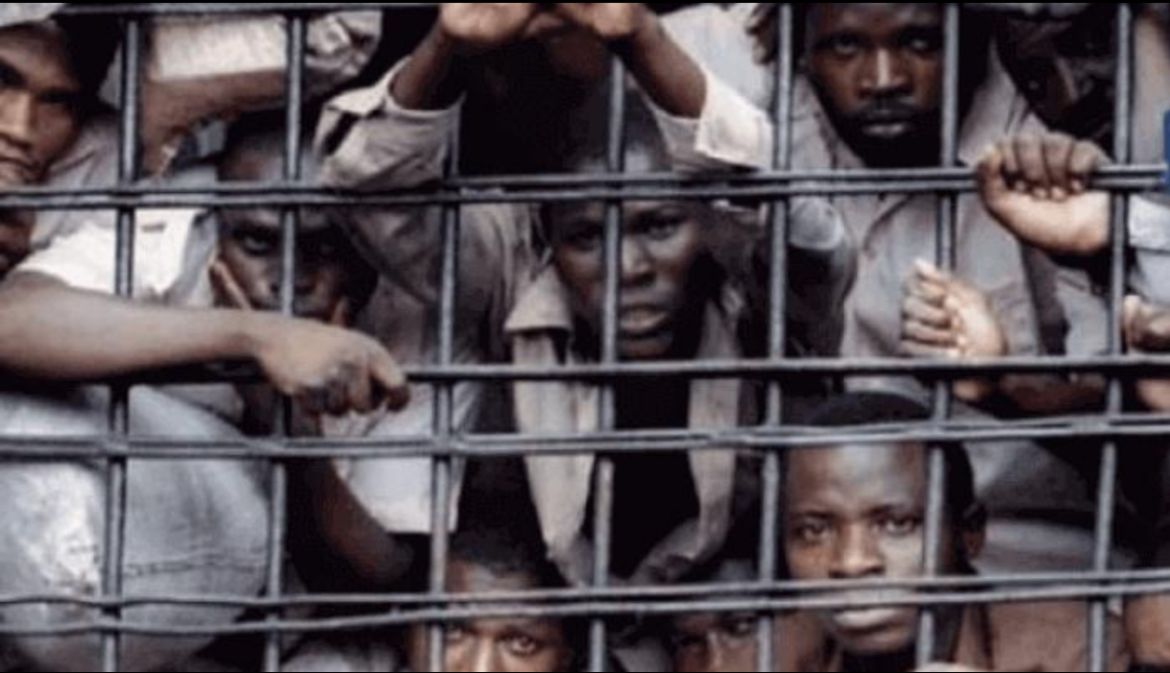
The night that exposed Niger state’s invisible prison crisis
The air in cell block 4 of the Nigeria Security and Civil Defence Corps (NSCDC) facility in Minna had turned foul long before the first screams echoed through the corridors. Thirty-three detainees would never leave that 12 square metre space with their lives. Fourteen of them were children, their small bodies unable to endure the conditions that authorities had allowed to fester for years. This was not an accident—it was the inevitable outcome of a system designed to fail those it was meant to protect.
What the commission uncovered: root causes behind the tragedy
The independent inquiry, whose findings were released on 27 October 2026, pulled back the curtain on a web of systemic failures. The cell, originally built for fewer than 15 people, had been repurposed to house nearly 50 detainees by the time the tragedy occurred on the night of 16-17 September. The combination of extreme overcrowding, lack of ventilation, soaring temperatures, and non-functional sanitary facilities created a lethal environment. Survivors later testified that desperate detainees resorted to drinking urine and sweat to survive hours of agony.
The commission’s report described conditions that violated every recognised standard of humane detention. It also revealed a disturbing breakdown in duty of care: warders allegedly ignored banging on the cell door for hours, leaving suffocating detainees to perish without intervention. The report concluded that the deaths were entirely preventable—had protocols been followed, lives could have been saved.
An avoidable death toll: the real numbers and legal violations
Early estimates of 37 fatalities were later revised downward to 33 confirmed deaths, including 14 children. Forty-one detainees emerged alive, though the physical and psychological scars may never heal. The inquiry further uncovered alarming systemic lapses: minors held alongside adults in clear breach of child-protection statutes; detainees held without due process, their rights to fair trial and humane treatment violated from the moment of arrest.
How multiple failures converged to create a death trap in minna
A single 12m² space should never have housed 50 human beings, yet that was the day-to-day reality in Minna. The crisis is woven into Africa’s broader penal fabric. According to the UNODC’s Prison Matters 2025 report, around 90% of African countries with available data operate prisons at more than 100% capacity. Worldwide, more than 60% of surveyed nations face similar overcrowding, driven by crumbling infrastructure, chronic underfunding, and excessive use of pre-trial detention.
Across the continent, 37% of incarcerated individuals in 2023 were untried, their fate hanging in procedural limbo. Judges are scarce, legal aid scarce, and remand periods routinely stretch into years. When innocent detainees are squeezed into spaces designed for ventilation and movement, the first casualty is human dignity; the ultimate casualty can be life itself.
From minna to the continent: why no country can claim immunity
The tragedy in Minna is not unique—it is emblematic. In Cameroon, Malawi, and Congo-Brazzaville, similar stories have unfolded behind locked gates. Governments acknowledge the crisis, yet the cycle persists: more arrests, belated prosecutions, hastily built wings, and inadequate monitoring. The Nigerian inquiry underscores a hard truth: building new prisons will not solve a crisis rooted in systemic neglect.
Reform must target the upstream causes: accelerating case backlogs, expanding legal aid, scaling up non-custodial sentences for petty offences, and enforcing mandatory separation of adult and juvenile detainees. Existing facilities must be renovated, water and sanitation systems repaired, and detention staff trained to uphold the Nelson Mandela Rules. These are not recommendations—they are minimum standards of a civilised justice system.
The way forward: turning regret into real change
A country’s justice system is measured not by the number of bars it installs, but by the number of lives it preserves. In Minna, 33 souls perished because space, care, and oversight ran out long before oxygen did. The government has signalled consequences for those who failed in their duty; yet sanctions alone cannot bring back the dead or restore the lost years of the detained.
The question now is whether Africa’s leaders will treat this moment as a tipping point or a footnote. Will future detainees breathe cleaner air, sleep on cleaner floors, and face judges before their health collapses? The choice belongs to parliaments, ministries, and courts—not to the walls of overcrowded cells.
Key takeaways: the lessons minna must teach
- Pre-trial detention reform: Reduce the share of untried detainees through faster trials and expanded legal aid.
- Zeroolerance for child detention: Enforce strict separation of minors from adults in all facilities.
- Immediate infrastructure upgrades: Prioritise ventilation, sanitation, and space standards to meet UN Mandela Rules.
- Independent oversight: Establish binding monitoring mechanisms to ensure humane detention nationwide.
- Alternatives to incarceration: Scale up community service and electronic monitoring for minor offences.