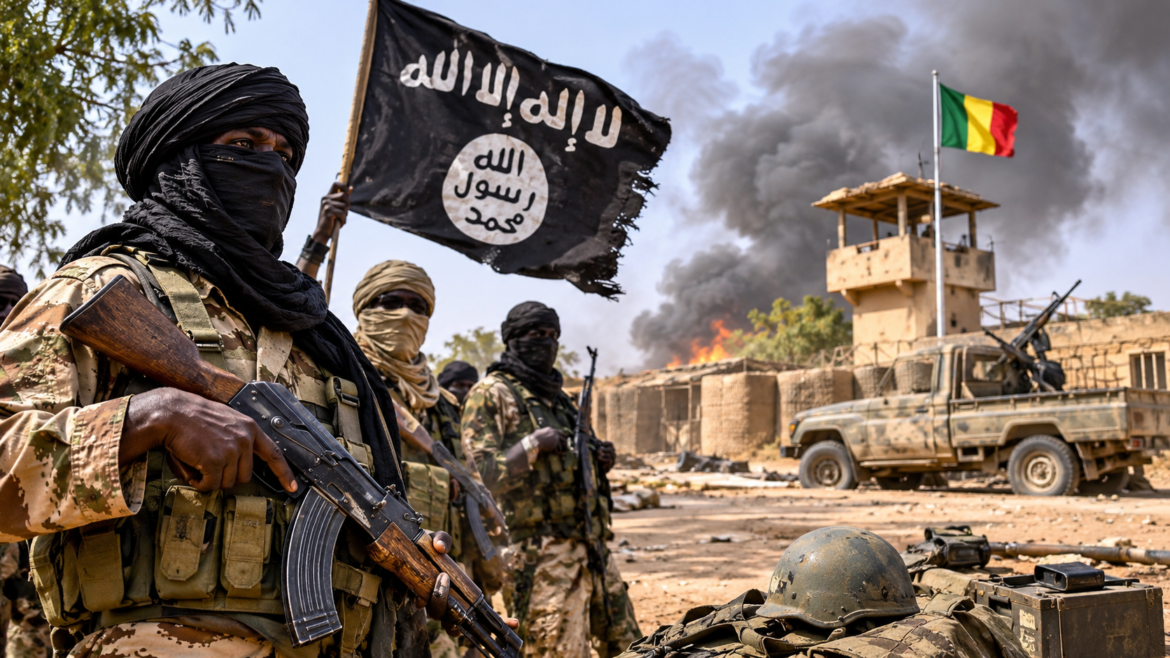
The military landscape in Mali’s troubled central region continues to shift under pressure from persistent insurgent violence. In the early hours of Saturday, October 31, 2026, the Group for the Support of Islam and Muslims (JNIM) launched a targeted assault on a defensive outpost near Bayman in Mopti, an area long contested by militant factions aligned with the country’s ruling junta.
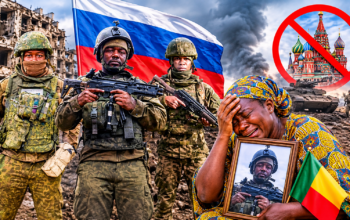
In a statement released following the operation, the jihadist coalition claimed to have overrun the position, neutralizing several combatants and taking control of the site. The target, referred to by the JNIM as a ‘Russafrican’ outpost an apparent reference to its alleged ties with Mali’s Russian military partners had been manned by pro-government militias sworn to defend the regime in Bamako.
Casualties and consequences: the fog of war obscures the human cost
The exact toll of the Bayman assault remains unverified. While the JNIM asserts significant losses among enemy fighters, no independent confirmation of casualties whether dead, wounded, or captured has yet been made publicly available. Such uncertainty is not unusual in the wake of complex battlefield engagements, but it leaves unanswered questions about the true scale of the damage inflicted.
This latest strike follows a pattern of high-impact attacks that have repeatedly tested Mali’s military resilience. Just weeks earlier, on September 10, 2026, an assault on Dioura resulted in heavy losses for government forces, with at least 100 Malian soldiers and five Russian paramilitary contractors reportedly killed, along with dozens more taken prisoner. The JNIM claimed responsibility for that operation as well, underscoring its sustained offensive capabilities against fortified positions.
Alliances under scrutiny: the limits of Russian support in Mali’s fight
The Bayman attack has reignited debate over the effectiveness of Bamako’s military partnerships, particularly its collaboration with Russian security forces. Despite joint operations, coordinated airstrikes, and frequent official declarations of success including claims from military leadership of over 4,800 militants neutralized and more than 850 airstrikes conducted since May 2026 the JNIM continues to execute high-profile strikes against key installations.
Military communiqués, though extensive, offer limited insight into battlefield realities. The disconnect between reported achievements and ongoing insurgent activity raises concerns about the sustainability of current security strategies. While the Malian Armed Forces and their allies cite progress in counterterrorism efforts, the persistence of such attacks suggests deeper systemic weaknesses whether in leadership, operational coordination, or intelligence gathering that remain unaddressed.
Strategic implications: what does the fall of Bayman signal for Mali?
Should the JNIM’s claim of capturing Bayman withstand scrutiny, it would mark another tactical blow to Mali’s security architecture. The loss of a position held by pro-government forces not only weakens local defense lines but also erodes confidence in the junta’s ability to safeguard territory and population centers in the volatile center of the country.
The broader question now looms: how long can Malian authorities maintain control over contested zones when insurgent groups demonstrate the capacity to penetrate even fortified areas? The answer may lie not in the volume of operations conducted, but in the structural and operational realities that persist beneath the surface of official narratives.
By Claire Mvondo — Journalist