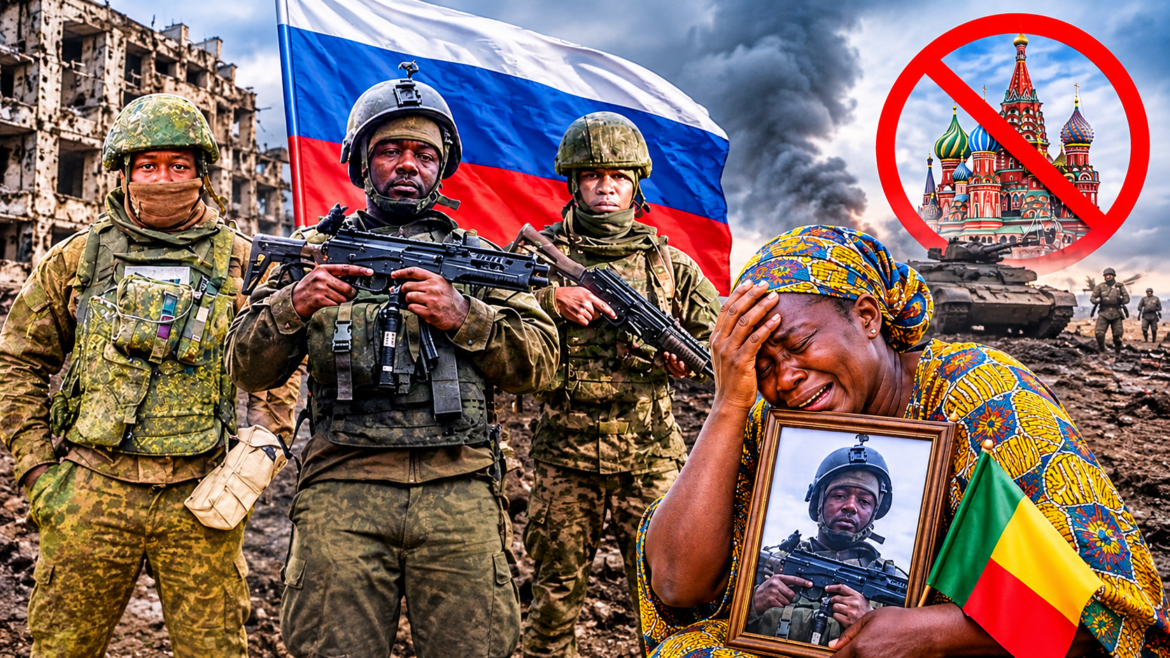
Behind the allure of foreign education, the promise of professional success, and the quest for a better future lies a disturbing reality for many young Africans pursuing studies in Russia. The tragic death of a young Beninese student on the Ukraine front lines exposes a troubling question: under what circumstances does an academic pursuit transform into military engagement thousands of miles from home?
The tragedy raises urgent concerns not only for the Beninese community but for African families across the continent considering similar paths for their children. While many students seek technical or scientific degrees with state-backed scholarships, the escalation of Russia’s war in Ukraine has introduced unforeseen risks that cannot be ignored.
The fine line between education and military recruitment
For African students, Russia has long represented an appealing destination for higher education, particularly in fields like engineering, medicine, and technology. The availability of scholarships, structured academic partnerships, and prospects for international careers make the decision to study abroad seem logical and rewarding. Yet the war has exposed a darker dimension: the systematic recruitment of foreign nationals into Russian military operations.
While not all students face this risk, documented cases of foreign nationals including Africans being engaged in combat have surfaced. The line between academic enrollment and military obligation can blur when financial hardship, administrative dependency, or unclear contracts come into play. Offers promising supplementary income, expedited residency, or professional placement may conceal military obligations, placing students in life-threatening situations without full transparency.
How financial vulnerability becomes a trap
Many African students in Russia finance their education through personal savings, family support, or part-time employment. Living far from home in a country with a weak social safety net increases their dependence on local intermediaries, employers, or even university officials. When confronted with offers that combine payments with vague or unfulfilled promises, the pressure to accept despite misgivings can become overwhelming.
Once engaged in a military role, students face immediate risks: exposure to combat zones, artillery bombardments, indefinite captivity, or death. The emotional and financial strain on families often unaware of their child’s situation until it is too late creates a secondary tragedy that transcends national borders.
Russia’s evolving landscape: a destination under scrutiny
The war in Ukraine has fundamentally altered the risk profile for foreign students in Russia. While reputable institutions continue to operate and deliver quality education, the potential for involvement in military activities requires heightened caution. Students and families must verify critical details before departure: the legitimacy of the university, the nature of the visa, the terms of any employment or recruitment contracts, and the availability of consular support.
Beware of intermediaries promising fast-tracked jobs, inflated salaries, or simplified paperwork without verifiable documentation. Fraudulent schemes often target vulnerable students, luring them with short-term financial relief only to expose them to life-endangering duties. Families must insist on transparency, insist on written agreements in a language they understand, and seek independent legal advice whenever possible.
The role of African governments in safeguarding students
The tragic loss of a Beninese student must prompt broader action from African governments to protect their youth abroad. Consular offices need to expand outreach programs, disseminate travel advisories, and offer pre-departure orientations for students heading to Russia or other high-risk destinations. These initiatives should include real-time alerts, emergency contact protocols, and guidance on recognizing exploitative practices.
Moreover, African educational ministries should collaborate with international bodies to monitor recruitment agencies and foreign universities operating within their territories. Shared databases of verified programs, transparent visa pathways, and mandatory orientation sessions can reduce the likelihood of students unknowingly entering dangerous agreements.
A shattered dream: lessons from a life lost
The death of this young student is not just a personal tragedy it is a failure of systems meant to protect the vulnerable. His academic journey was cut short, his family’s hopes shattered, and a life filled with potential erased by circumstances they could not control. Yet within this loss lies the urgent need for clarity: how did an aspiring student become entangled in military conflict? What promises were made? What legal protections were violated?
While investigations continue, one truth emerges: the pursuit of education must never expose a young African to war. No scholarship, no salary, and no career promise justifies risking one’s life in a foreign conflict zone without full awareness and consent. This tragedy must serve as a call to action for students, families, governments, and academic institutions alike to demand transparency, accountability, and unwavering protection for those seeking knowledge and opportunity abroad.
What prospective students must ask before enrolling
Is my university accredited and recognized by international standards?
Does my visa explicitly prohibit or allow military-related employment?
Are any job offers or financial incentives tied to mandatory service or unclear contracts?
Is my family aware of the full terms of my stay and study?
Do consular services in Russia maintain updated records of African students?
No educational path should end in a war zone. The journey of this Beninese student serves as a stark reminder: dreams of success must be pursued with caution, wisdom, and above all, a clear understanding of the risks involved.
By Claire Mvondo — Journalist