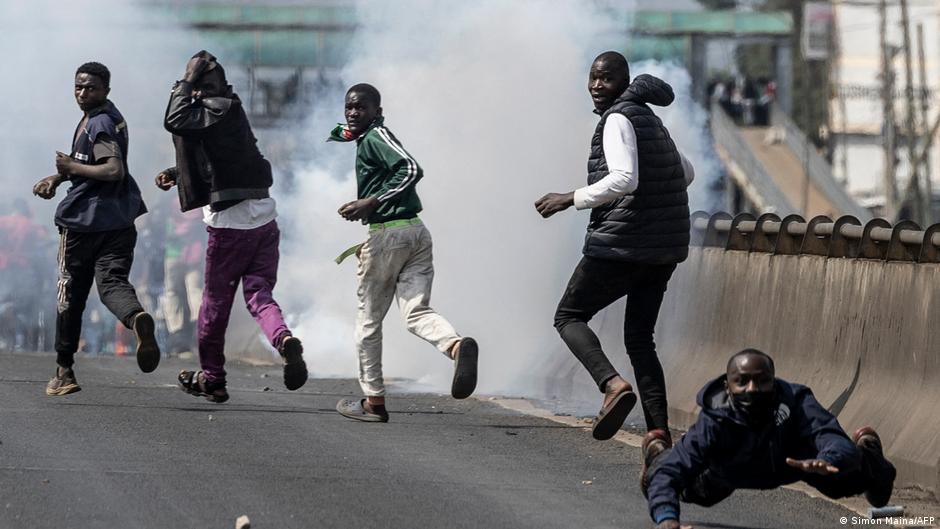
African democracy under pressure: challenges and resilience
The state of democracy in Africa presents a mixed picture: while some nations are making democratic strides, others are witnessing a troubling erosion of political freedoms. The continent is currently navigating a period marked by intense political volatility. On one front, military coups, authoritarian tendencies, and political restrictions are undermining democratic progress. On the other, grassroots demand for democracy, civic engagement, and peaceful transitions of power demonstrate that the continent’s democratic aspirations remain vibrant and unyielding.
Analyses from recent years highlight a concerning trend of democratic backsliding across multiple African regions. Key challenges include:
- The rise and entrenchment of military regimes in the Sahel, particularly in Mali, Burkina Faso, and Niger.
- Postponements or disputes surrounding electoral processes in select countries.
- Increased restrictions on political opposition, media outlets, and civil society organizations.
- Constitutional amendments enabling leaders to extend their time in office.
While elections are still being held across numerous states, concerns persist regarding their fairness and legitimacy.
Signs of democratic resilience
Despite these setbacks, Africa’s democratic landscape is not uniformly bleak. Countries such as Senegal, Cape Verde, Botswana, Seychelles, and Ghana continue to serve as examples of political pluralism and peaceful transitions. Recent elections in these nations have demonstrated that citizens can still hold governments accountable through the ballot box.
Surveys by Afrobarometer reveal that Africans overwhelmingly value democratic principles and demand greater civic participation, transparency, and accountability from their leaders. The findings underscore that citizen engagement remains a cornerstone of democratic governance, with populations actively advocating for their democratic rights.
The influence of youth movements
Africa’s youth are playing an increasingly pivotal role in shaping the continent’s democratic future. Across many nations, young activists are advocating for:
- Fair and transparent electoral processes.
- Stronger anti-corruption measures.
- Improved governance and service delivery.
- Enhanced economic and social opportunities.
Critical priorities for the coming years
The path forward for African democracy hinges on several critical priorities:
- Restoring constitutional order in countries under military rule.
- Ensuring the independence of electoral and judicial institutions.
- Enforcing term limits and upholding constitutional provisions.
- Safeguarding public freedoms, including press freedom, opposition rights, and civil society operations.
- Addressing socio-economic expectations, particularly among the youth population.
You may also like
Will Senegal’s local elections break Bassirou Diomaye Faye’s presidency before it truly begins?
Senegal’s budget: can Ousmane Sonko afford to block Bassirou Diomaye Faye’s 2026 plan?
Senegal electoral reform: Khalidou dit Mbaye Sokoma’s full proportional representation push
Senegal’s local elections: Bassirou Diomaye Faye still won’t set a date
Alain-Georges Moukoko takes over Libreville prosecutor general’s office