Cameroon’s government has temporarily frozen the transfer of shares held by France-based agro-industrial group Somdiaa in the Société sucrière du Cameroun (Sosucam), the country’s leading sugar producer. The decision, enacted by Yaoundé’s executive branch, halts a deal that had been under intense scrutiny by regional business circles for months. This move comes at a critical time for the Cameroonian rural economy, where Sosucam plays a dual role as both a major employer and the primary domestic sugar supplier.
Sosucam: a cornerstone of Cameroon’s sugar industry
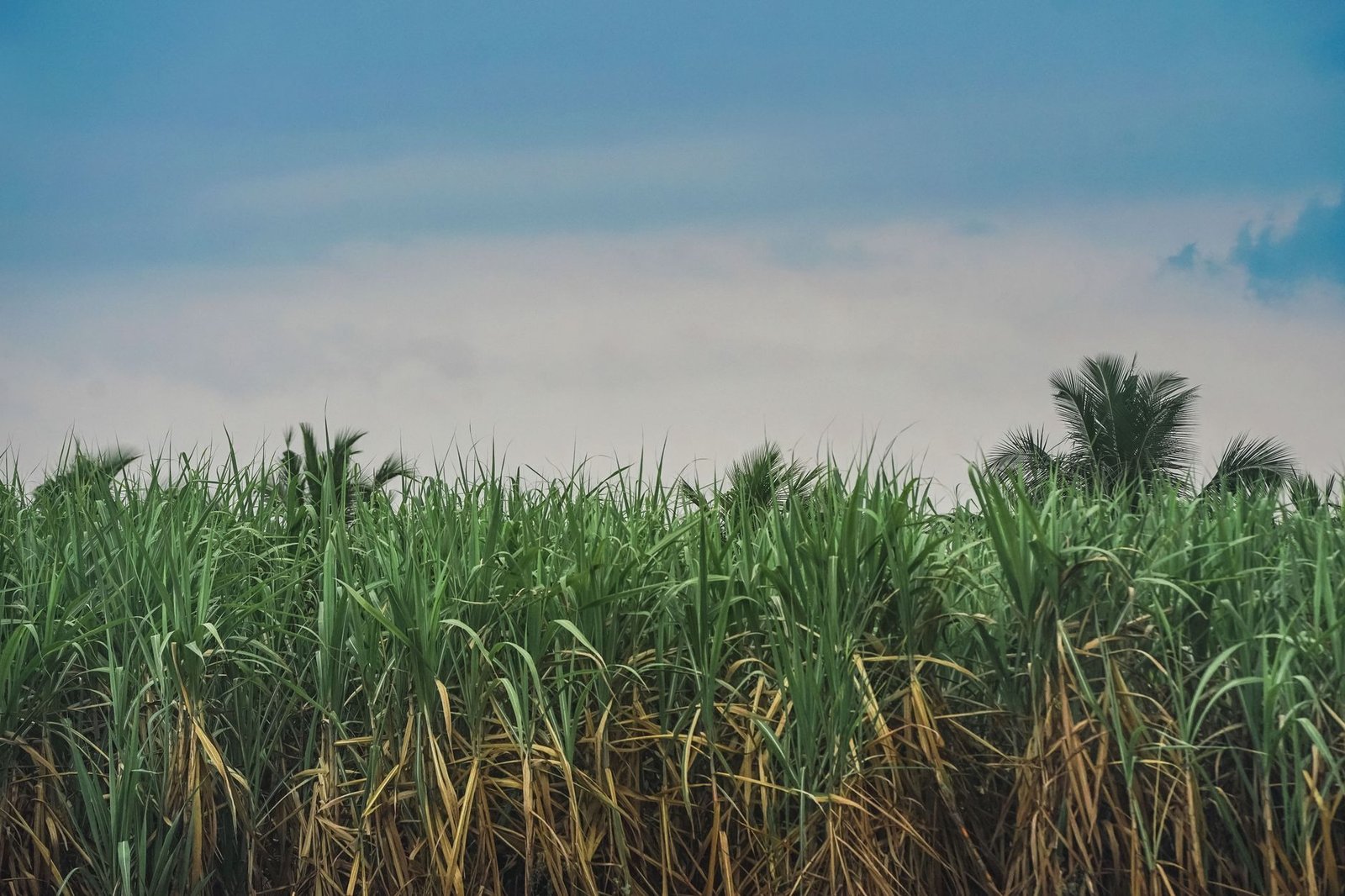
Sosucam has long been anchored to Somdiaa, a French multinational with operations across Central and West Africa. Its sprawling sugarcane plantations and processing facilities in Cameroon’s Central region dominate national production, giving the company an outsized influence over the country’s food security. Any shift in its ownership structure therefore carries implications far beyond corporate balance sheets, touching on social stability and fiscal health.
The Cameroonian sugar market remains heavily protected, with imports restricted to shield domestic producers. This regulatory environment means the identity of Sosucam’s majority shareholder directly shapes investment flows, agricultural employment levels, and consumer pricing. Government officials have repeatedly emphasized the need to maintain stability in this sector amid global price volatility and logistical disruptions in the Gulf of Guinea.
Somdiaa’s Central African exit strategy faces new hurdles
The administrative freeze forces Somdiaa to reassess its exit timeline from Sosucam. The Paris-based group, which also operates in Chad, Gabon, Central African Republic, and Congo, has been systematically restructuring its portfolio through divestments and industrial repositioning. The planned disposal of Sosucam was meant to streamline operations amid mounting challenges including climate pressures, energy costs, and competitive pressures.
For Cameroon’s authorities, the suspension serves as a deliberate pause to vet potential buyers, assess their industrial blueprints, and secure commitments to workers and contract farmers. Recent precedents in the subregion—where withdrawals by multinational agribusinesses triggered supply chain disruptions—have made governments increasingly cautious about handling strategic assets. Price considerations, social safeguards, and investment continuity now headline the negotiation agenda.
Regional investors take note of Cameroon’s strategic caution
This decision reignites debates about how sensitive sector assets are treated across the Central African Economic and Monetary Community (CEMAC). Foreign investors interpret the move as a reminder that deals involving regulated industries require preemptive political alignment. Conversely, Cameroonian officials aim to demonstrate their ability to control the timing of transactions that impact agro-food sovereignty.
The freeze doesn’t signal an outright rejection, but rather opens a negotiation window. Terms of the deal, buyer identity, or deal structure could be renegotiated. National investors, regional funds, or state-linked consortiums—mirroring recent trends in other African markets during European groups’ exits—represent plausible alternatives to foreign buyers.
For Somdiaa, the challenge lies in balancing financial imperatives with Cameroon’s strategic expectations, especially as regional sugar markets remain vulnerable to supply chain shocks. For Yaoundé, the coming months will be dedicated to establishing a framework that ensures Sosucam’s industrial continuity beyond any ownership change. The government has formally communicated the suspension, marking the start of what has become one of Cameroon’s most sensitive economic files.