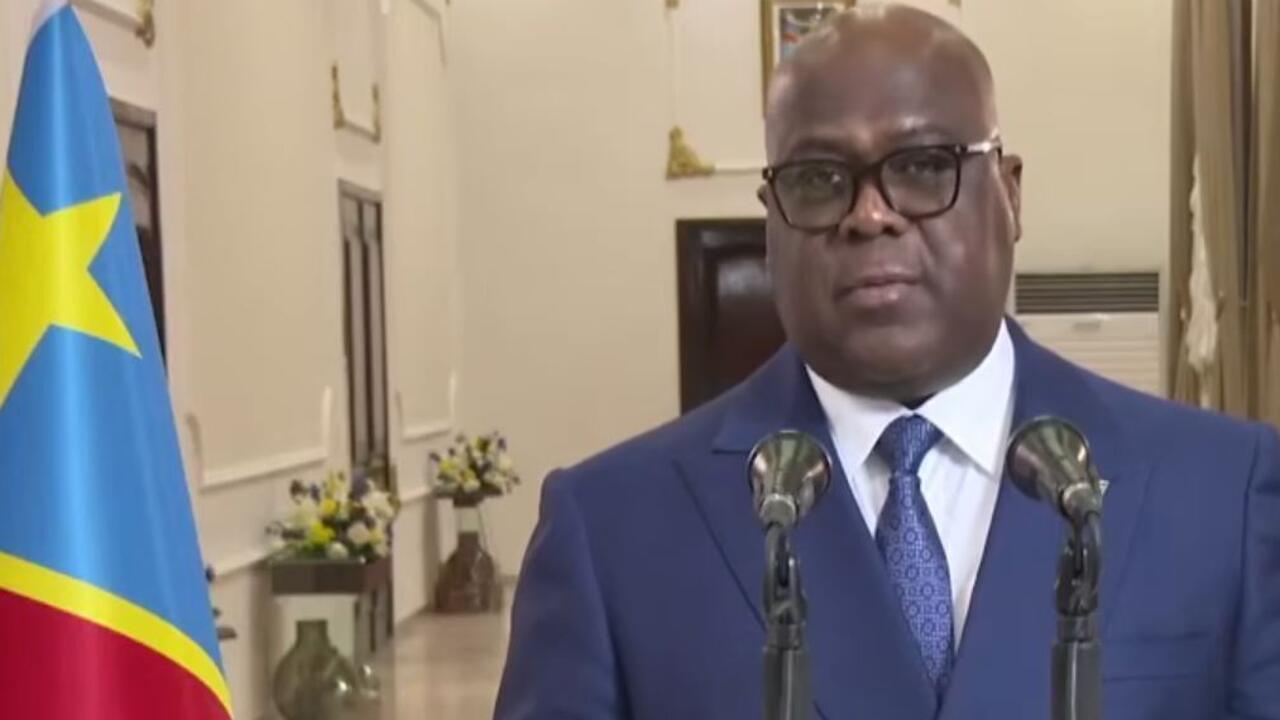
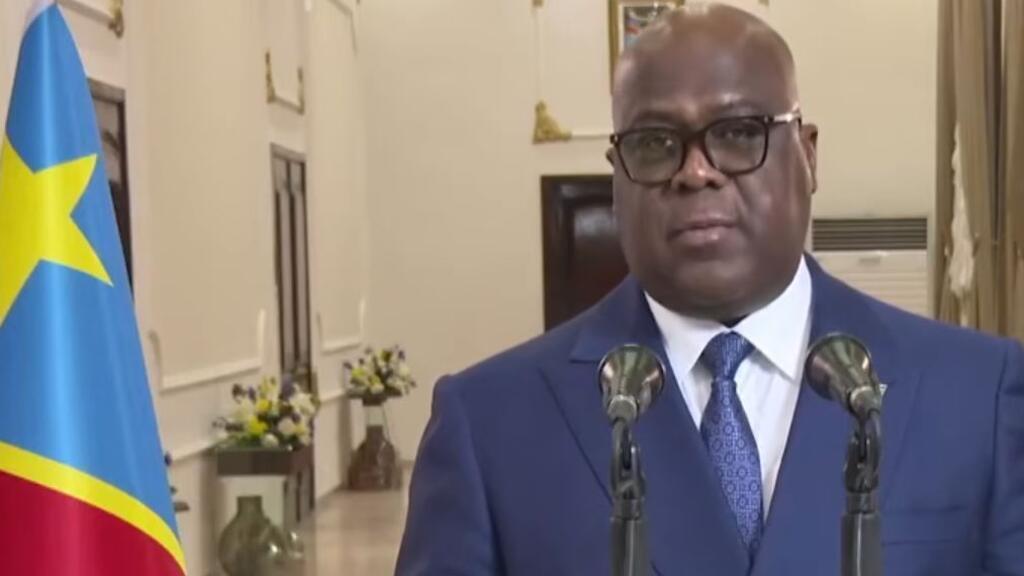
The Democratic Republic of the Congo’s President Félix Tshisekedi has outlined the framework for a long-awaited national dialogue, a process demanded for months by opposition groups to restore stability and rebuild the nation. The initiative will unfold in two phases: first across all 26 provinces, followed by a central session in Kinshasa, with a maximum duration of three months. Representatives from the ruling majority, opposition parties, civil society, religious leaders, and various social groups have been invited to participate. Notably, armed groups operating in the eastern regions will be excluded from this process.
Will this dialogue achieve what previous attempts could not?
This ambitious initiative raises critical questions. Can meaningful progress be made without the involvement of key actors currently engaged in the conflict? The exclusion of armed groups—particularly those active in the volatile eastern provinces—may limit the dialogue’s ability to address the root causes of instability. Previous national dialogues and consultations have struggled to deliver lasting solutions, often due to the absence of critical stakeholders or a lack of concrete commitments.
Who is participating and what are the challenges?
The dialogue aims to bring together a broad spectrum of Congolese society, including political figures, religious leaders, and representatives from civil society. However, the exclusion of armed groups could undermine the process’s credibility and effectiveness. The eastern regions of the DRC have faced persistent violence and insecurity, fueled by a complex web of armed factions, local militias, and foreign armed groups. Without their participation, any agreements reached may struggle to gain traction on the ground.
What could make this dialogue different?
For this process to succeed where others have failed, several factors will be crucial. First, the government must ensure inclusivity by addressing the grievances of all stakeholders, including those currently excluded. Transparency in the dialogue’s proceedings and the implementation of agreed-upon reforms will also be essential to build public trust. Finally, tangible outcomes—such as disarmament programs, reconciliation initiatives, and concrete steps toward decentralization—could help solidify the dialogue’s impact.
What lies ahead for the DRC?
The success or failure of this national dialogue could shape the future trajectory of the DRC. If handled with care and inclusivity, it could pave the way for lasting peace, stronger institutions, and renewed social cohesion. However, if critical voices remain excluded or commitments are not honored, the process risks becoming yet another missed opportunity, leaving the nation’s challenges unresolved. The coming months will be pivotal in determining whether this dialogue can break the cycle of instability that has plagued the DRC for decades.