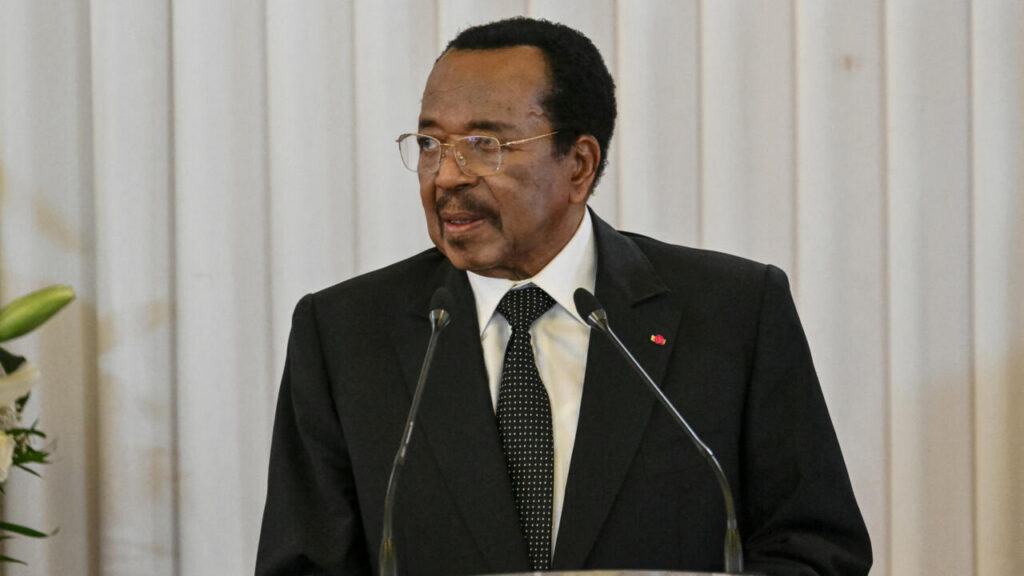
Paul Biya, Cameroon’s Head of State, has not made a public appearance since June 7, when the official gazette Cameroon Tribune announced his departure for a “short private stay in Europe.” Over 50 days later, no official update has been provided regarding his current location or expected return date, despite the president being 93 years old.
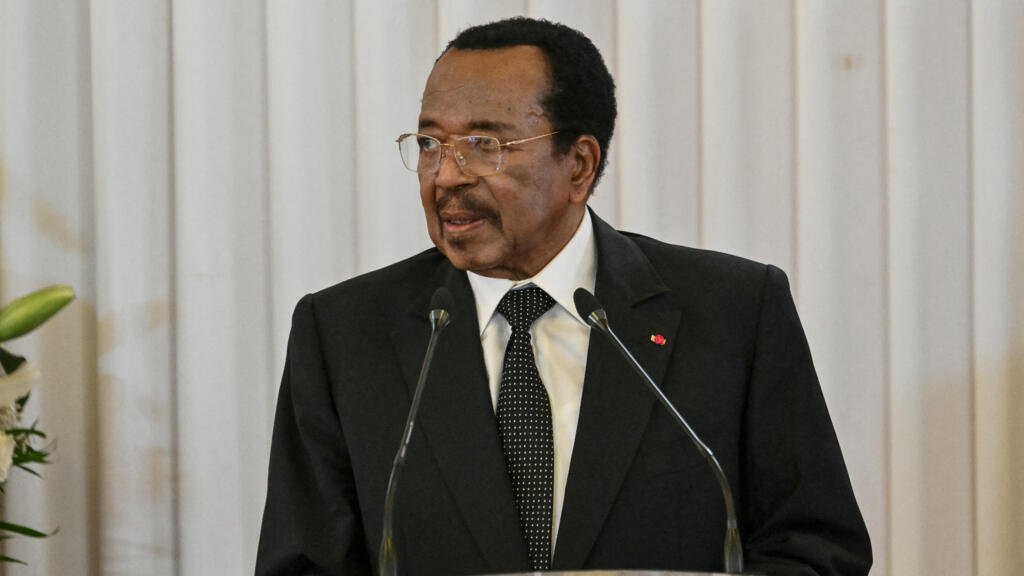
The prolonged absence and the government’s silence have fueled speculation and concerns about the continuity of state affairs. Opposition parties have raised serious questions, describing the situation as a “power vacuum,” “autopilot governance,” or even a government operating in “remote work mode.” What does Cameroon’s Constitution stipulate regarding an extended presidential absence? Could this prolonged silence create obstacles in managing the nation’s critical files?
Constitutional provisions and political implications
Cameroon’s Constitution outlines specific procedures for handling prolonged presidential absences. According to constitutional experts, if the president is unable to fulfill duties for an extended period, the Vice President is expected to assume temporary leadership. However, in the absence of a sitting Vice President, the Constitution mandates that the President of the Senate takes over as interim leader. This transition is designed to ensure the continuity of governance and prevent institutional paralysis.
Political analysts warn that prolonged ambiguity surrounding the president’s whereabouts and health could undermine public confidence in state institutions. The lack of transparency has already sparked debates about governance credibility and the potential for political instability. Opposition figures have called for urgent clarification to dispel rumors and restore confidence in the country’s leadership.
Public reaction and calls for transparency
The prolonged silence has not gone unnoticed by the public or international observers. Civil society groups and opposition parties have intensified calls for the government to provide verifiable information about the president’s status and location. Social media platforms have become arenas for speculation, with hashtags and discussions amplifying concerns about the president’s well-being and the implications for Cameroon’s political future.
As the days pass without official updates, the pressure on the government to address these concerns grows. The situation underscores the delicate balance between respecting the president’s privacy and fulfilling the constitutional obligation to ensure transparency and accountability in governance.
You may also like
Benin and Spain: a cultural pact built on art and diplomacy
Niger: Tiani’s post-coup purge strips 25 citizens of nationality
Niger: 1.8 billion FCFA monthly military fund at centre of Tiani-Mody-Zeine power struggle
Mali press reform: a decade of internal division behind the employers’ consensus
Niger’s Tiani draws closer to anti-Haftar camp in southern Libya