VOS RÉACTIONS – RDC : que peut-on attendre du dialogue national?
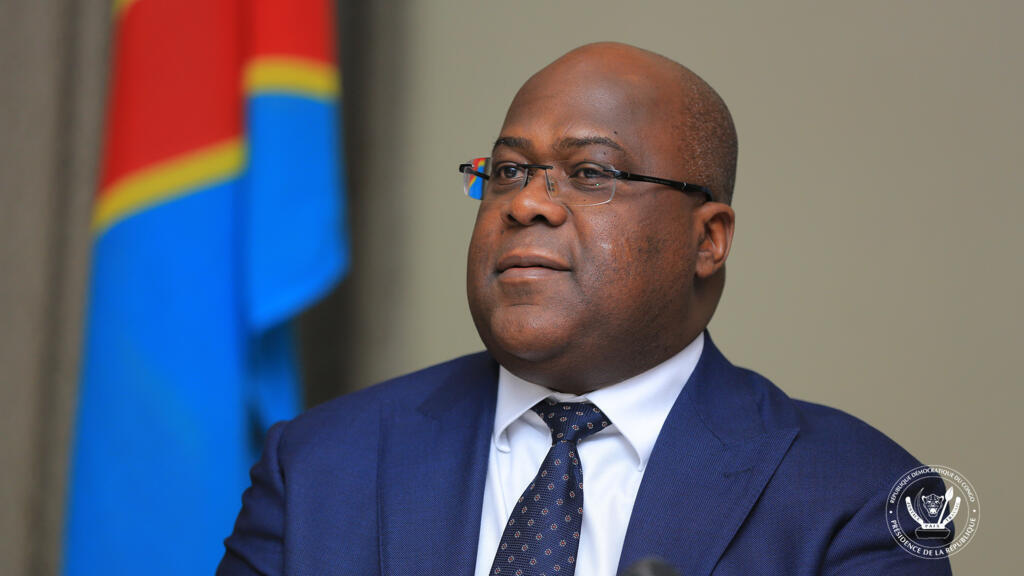
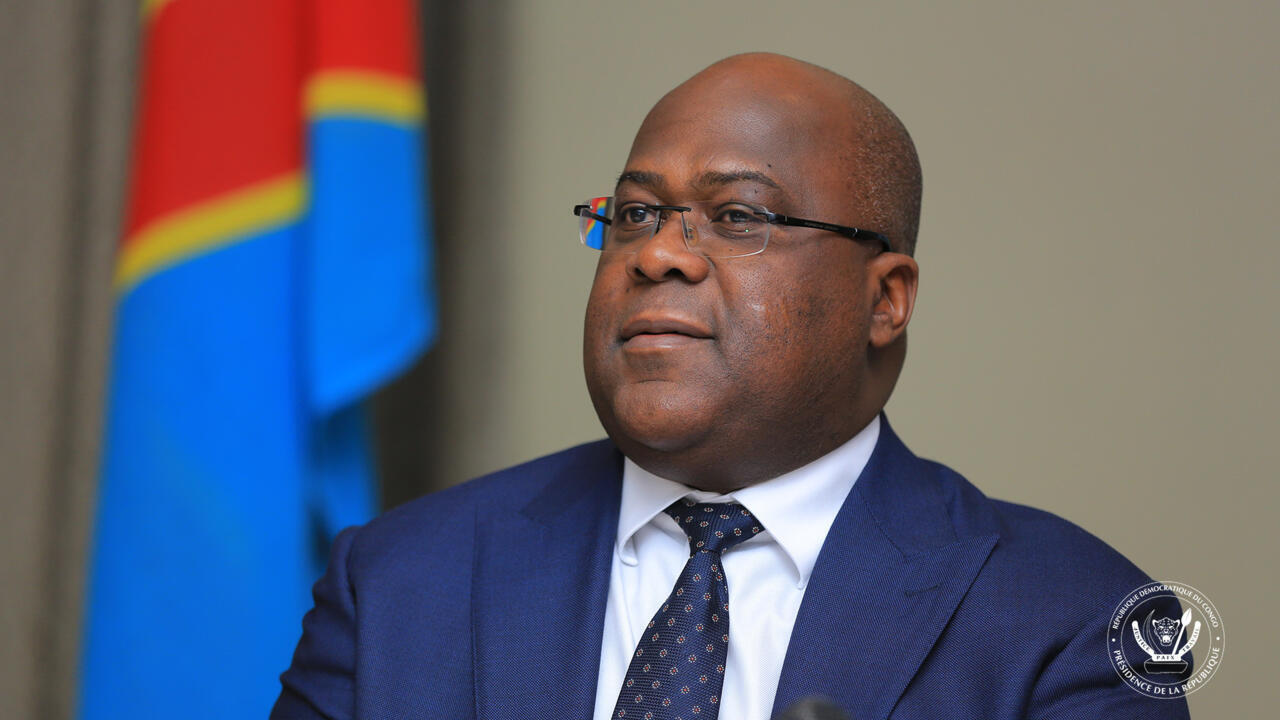
In the Democratic Republic of the Congo, opposition groups have postponed their planned march slated for this Wednesday, yet their stance against Félix Tshisekedi’s potential third term remains unwavering. They insist the national dialogue, as announced by the president, must commence before August 15. What do you make of this ultimatum? What outcomes do you anticipate from this national dialogue?
The opposition’s decision to delay the demonstration underscores the mounting tensions surrounding the constitutional revisions currently under debate. While the march has been postponed, the coalition’s resolve has not waned—they continue to demand immediate action from President Tshisekedi to initiate the national dialogue process. The opposition argues that without a structured and inclusive dialogue, the political crisis gripping the country risks deepening further.
Why the opposition is pushing for dialogue
The opposition’s primary concern centers on the constitutional amendments that could pave the way for a third term for President Tshisekedi. They view these amendments as a threat to democratic principles and call for a transparent national dialogue to address the concerns of all stakeholders. The ultimatum set for August 15 reflects their urgency to prevent what they perceive as an unconstitutional power grab.
- Constitutional reforms: The opposition fears that recent amendments could enable the president to seek a third term, a move they argue is antithetical to democratic norms.
- Inclusivity: They insist the dialogue must involve all political factions, civil society, and religious leaders to ensure a fair and balanced process.
- Timing: The August 15 deadline is seen as a critical moment to either push the dialogue forward or escalate protests if no progress is made.
What the national dialogue could achieve
A successful national dialogue could serve as a platform to:
- Clarify constitutional intentions: Address the ambiguity surrounding the amendments and reassure the public about the government’s commitment to democratic values.
- Mediate political tensions: Provide a structured environment for opposing factions to negotiate and find common ground.
- Restore public trust: Demonstrate the government’s willingness to engage with civil society and opposition leaders, fostering greater transparency and accountability.
The stakes are high for both the opposition and the government. For the opposition, failure to secure a meaningful dialogue could reignite protests and further destabilize the political landscape. For President Tshisekedi, the dialogue presents an opportunity to demonstrate leadership and address the growing discontent among citizens and political rivals alike.
The coming weeks will be pivotal in determining whether the national dialogue can serve as a constructive forum for reconciliation or if the political standoff will escalate into broader unrest.