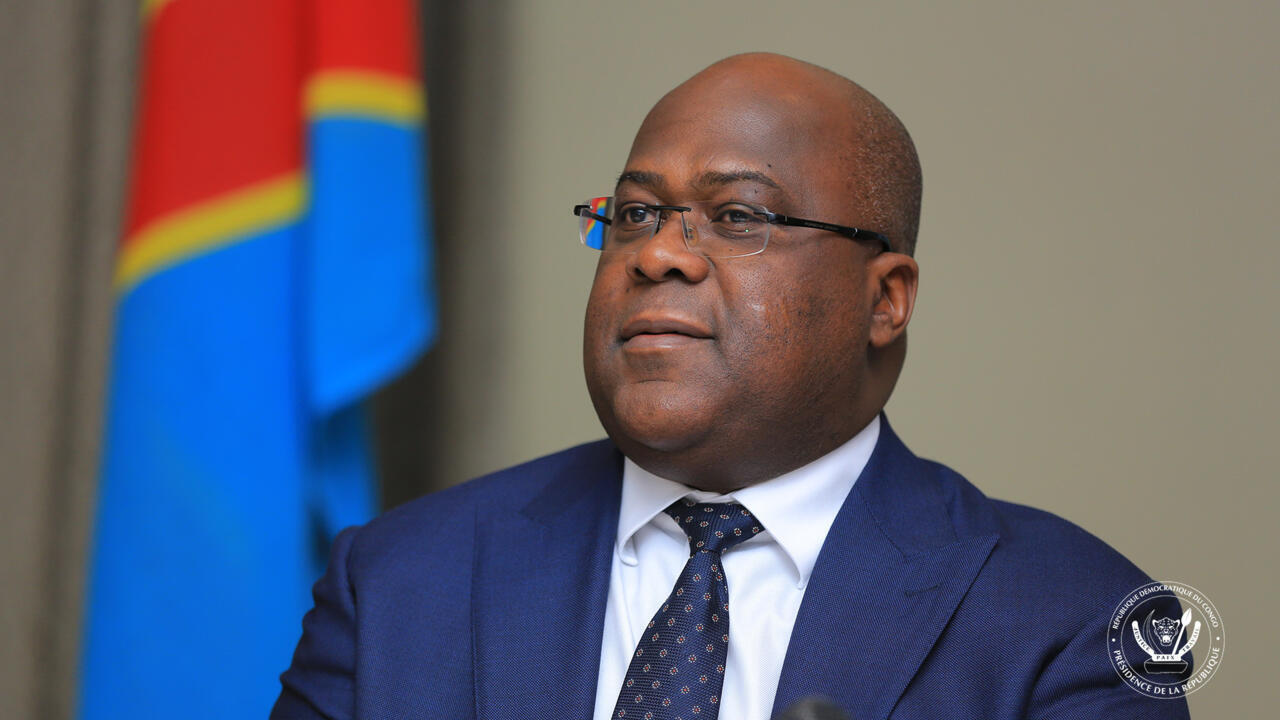
The Democratic Republic of the Congo (DRC) is bracing for a critical moment as opposition factions call for an urgent national dialogue. The demand comes despite the postponement of a planned march scheduled for this past Wednesday. Leaders remain resolute in their opposition to any attempt to extend President Félix Tshisekedi’s current term. They have set a firm deadline: the dialogue must begin before August 15.
What does this ultimatum signify for the nation’s political landscape? More importantly, what outcomes can citizens reasonably expect from this much-anticipated dialogue?
Why the urgency in the opposition’s stance?
The opposition’s decision to postpone the march—originally set for July 22—sends a clear message: they are not backing down. Their primary concern is the potential for President Tshisekedi to seek a third term, a move they argue would violate the spirit of the constitution. By demanding that the national dialogue commence before mid-August, they aim to place immediate pressure on the government to address these concerns transparently.
The opposition’s firm stance reflects broader public unease. Many citizens fear that constitutional revisions could undermine democratic principles and stability in the country. As discussions heat up, the nation watches closely to see whether this dialogue will deliver tangible solutions or merely deepen existing divisions.
What can citizens expect from the national dialogue?
The national dialogue, as proposed by President Tshisekedi, is intended to foster unity and address pressing national issues. However, skepticism lingers. Will this dialogue be inclusive, or will it sideline key stakeholders? Can it realistically resolve tensions over term limits and governance?
For citizens, the outcomes hinge on several factors:
- Participation: Will all political factions, including civil society and religious leaders, have meaningful representation?
- Agenda: Will the dialogue focus solely on constitutional revisions, or will it address broader challenges like security, economic instability, and corruption?
- Implementation: Even if agreements are reached, will they be upheld by all parties?
The coming weeks will be decisive. The opposition’s ultimatum is not just a political maneuver—it is a test of the government’s commitment to democratic values and national cohesion.
Looking ahead: A pivotal moment for the DRC
As the deadline approaches, the stakes could not be higher. The DRC stands at a crossroads, with its future governance hanging in the balance. Whether the national dialogue succeeds in bridging divides or further polarizes the nation remains to be seen. One thing is certain: the eyes of the nation—and the world—are fixed on Kinshasa.