On a quiet Sunday evening in Zemio, a town in the volatile Haut-Mbomou region of the Central African Republic, a gathering unfolded in the courtyard of a local bar-restaurant. The occasion? A farewell toast for two departing visitors—Joseph Figueira, a Belgian-Portuguese researcher, and his Ivorian colleague, both in the country under a USAID-funded initiative coordinated by FHI 360. Their mission? A ground assessment to lay the groundwork for a future conflict-prevention project involving local and international partners. Around fifty attendees, including community leaders and local officials, had joined the evening’s proceedings.
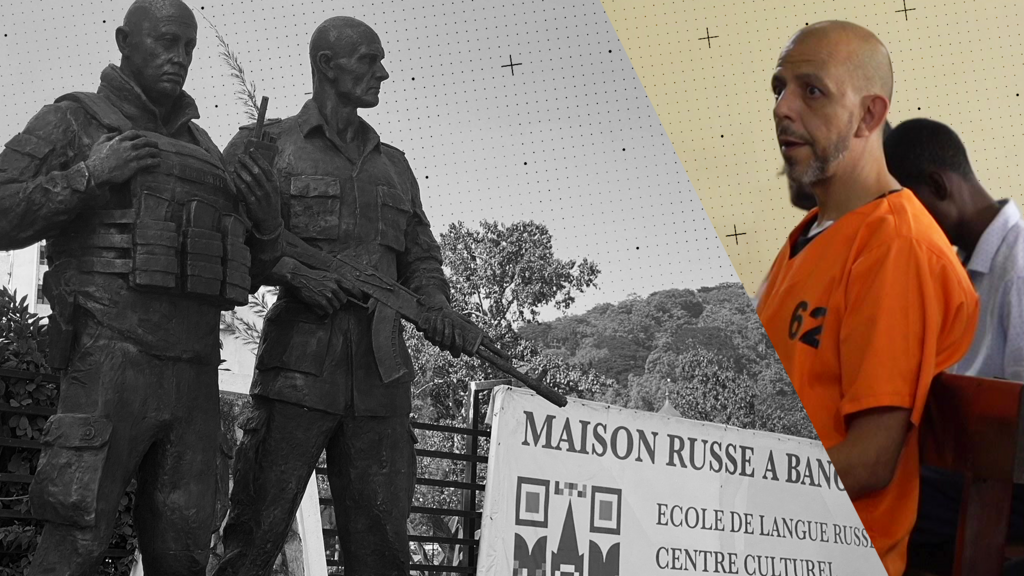
Within 48 hours, both researchers were scheduled to return to Bangui, the capital. However, what began as a routine field visit took a dramatic turn when three members of the Wagner Group—a Russian-backed security force operating in the country since 2018—interrupted the gathering. Accompanied by a Central African gendarme tasked with translating, the armed men wasted no time. Without explanation, they forcibly detained Joseph Figueira, preventing him from retrieving his documents from his NGO lodging.
The researcher, a seasoned expert in Peul communities, was entirely within legal bounds: he had spent nine days in the country, meeting with officials in both the capital and rural areas to finalize project plans. Yet, the Wagner operatives, acting outside any judicial process, shoved him into an aircraft, his face covered and hands cuffed. Accounts from witnesses describe a violent abduction, with the researcher sustaining injuries—including a bloody nose—before being flown away under cover of darkness.
This incident sheds light on a broader pattern of intimidation targeting humanitarian and research professionals in regions where Wagner’s influence looms large. The group’s operations in the Central African Republic have increasingly blurred the lines between security, governance, and control, raising concerns about the safety of those working in conflict-affected zones.