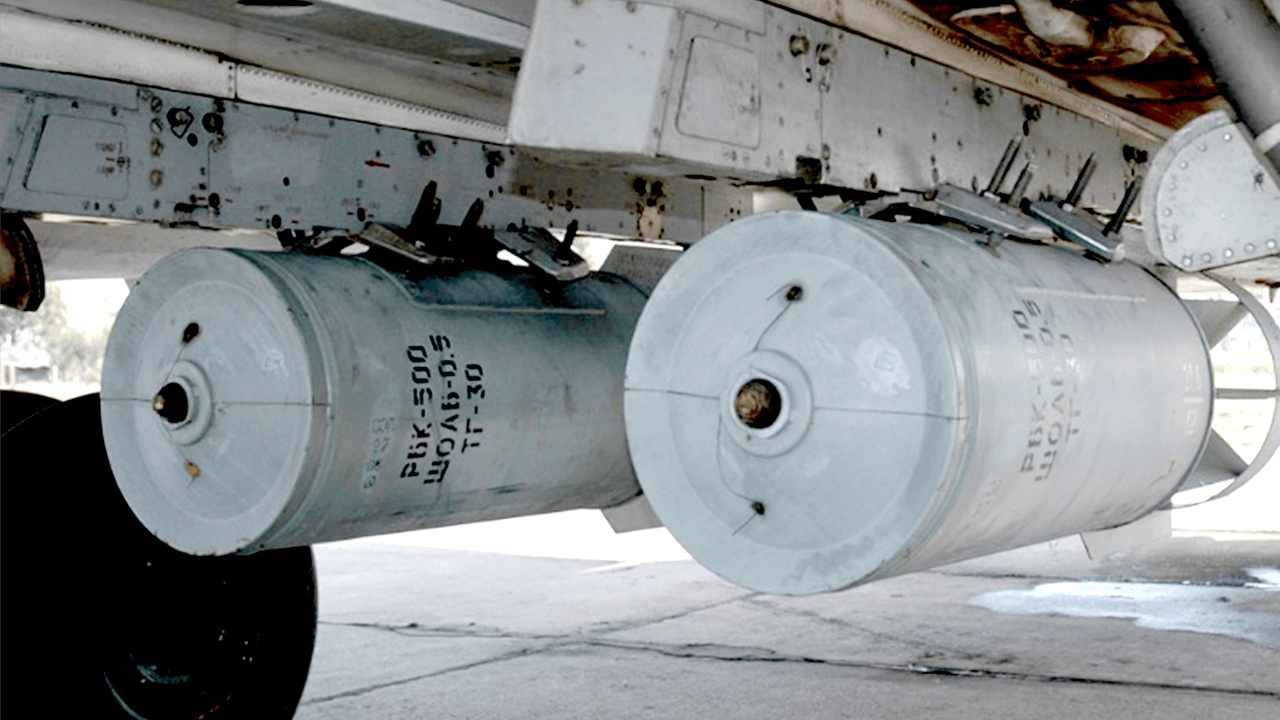

Fresh evidence has emerged pointing to the deployment of cluster munitions in recent aerial strikes across Mali, raising serious concerns about the methods employed in military operations. Investigations into the incidents reveal disturbing patterns of unexploded ordnance scattered across targeted zones, leaving behind a trail of potential hazards for civilians.
what are cluster munitions and why do they pose a threat?
Cluster munitions are explosive weapons designed to disperse multiple smaller bomblets over a broad area. While their use can devastate military targets, their indiscriminate nature often endangers non-combatants, particularly in populated regions. The remnants of these weapons, which can remain active for years, pose long-term risks of accidental detonation, severely complicating post-conflict recovery efforts.
In Mali, the discovery of these remnants has sparked outrage. Local authorities and humanitarian groups warn that the presence of unexploded ordnance could disrupt agricultural activities and displace communities already struggling with instability.
military operations under scrutiny
The visual proof, obtained through field assessments, appears to link these cluster munitions to recent operations conducted by security forces. Analysts note that the weapons resemble Soviet-era designs, a type commonly reported in conflicts across the Sahel region. The Mali military has not yet issued an official statement regarding the allegations.
This development coincides with growing international scrutiny over the tactics used in counterterrorism campaigns in the Sahel. Human rights organizations have repeatedly called for stricter adherence to international humanitarian law, emphasizing the need to protect civilian populations in conflict zones.
the human cost of unexploded ordnance
Beyond the immediate danger of explosions, the lingering threat of unexploded cluster munitions disrupts daily life. Children, often unaware of the risks, may inadvertently trigger these devices while playing. Farmers face the daunting task of clearing land to resume cultivation, a critical activity in a country where food security remains a persistent challenge.
The situation underscores the broader consequences of military engagements that fail to prioritize civilian safety. As Mali grapples with ongoing security threats, the fallout from these strikes serves as a stark reminder of the need for accountability and caution in warfare.
what’s next for Mali’s security landscape?
With evidence mounting, calls for transparency and investigation into these military operations are intensifying. The international community continues to monitor the situation closely, urging authorities to address the humanitarian fallout and prevent further harm to civilians.
As the debate over military tactics in the Sahel evolves, the discovery of cluster munitions in Mali highlights the urgent need for safeguards to protect vulnerable populations from the hidden dangers of modern warfare.