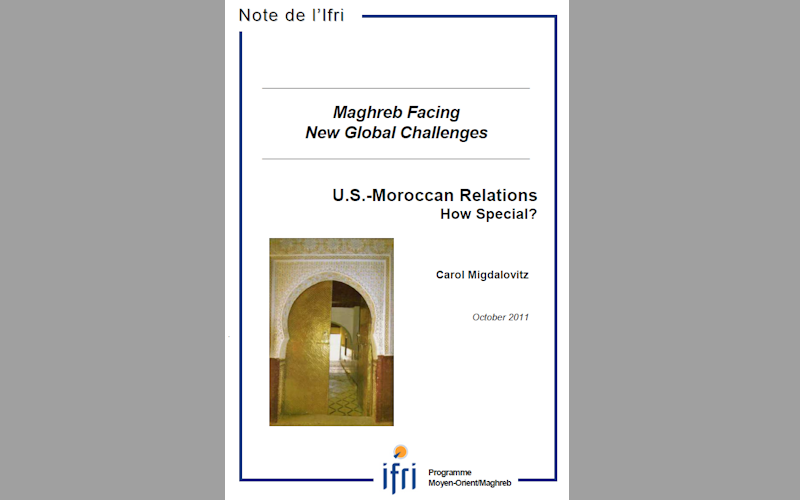
For over two centuries, the bond between the United States and Morocco has stood as one of Washington’s most enduring diplomatic alliances. Rooted in mutual strategic interests and shaped by Cold War pragmatism, this relationship has evolved through pivotal historical moments while maintaining its unique character.
Long before many of today’s global powers, Morocco became the first nation to formally recognize American independence. On June 23, 1786, the two countries signed a Treaty of Peace and Friendship—a document that remains in force today. Originally forged to safeguard American merchant vessels from Mediterranean piracy, this agreement laid the foundation for a relationship Washington and Rabat have consistently described as “special.” Yet beneath the diplomatic rhetoric, the alliance has been defined by shifting geopolitical realities and pragmatic compromises.
World War II: a turning point in bilateral ties
While the roots of this partnership stretch back to the 18th century, it was World War II that solidified the bond between the two nations. In 1942, Allied forces under General Dwight D. Eisenhower executed Operation Torch, landing 35,000 American troops on Moroccan soil. This military campaign marked a watershed moment not just for the war effort, but also for Morocco’s future.
During the 1943 Casablanca Conference, President Franklin D. Roosevelt privately assured Sultan Mohammed V of U.S. support for restoring Moroccan sovereignty after the war—a pledge that resonated deeply with the Moroccan public, though it drew sharp criticism from French leadership at the time.
Cold War dynamics: military presence and sovereignty debates
Following Morocco’s independence in 1956, the alliance faced new challenges as Cold War tensions escalated. The U.S. viewed Morocco as a critical strategic outpost and established air bases capable of projecting nuclear-capable forces toward the Soviet bloc. However, Morocco’s push for full sovereignty soon clashed with American military objectives. By 1963, Washington had withdrawn all its forces from Moroccan territory in line with Rabat’s demands—a decision that underscored the delicate balance between alliance and autonomy.
Regional stability and political maneuvering
The survival of Morocco’s monarchy has long been a priority for U.S. policymakers. When coup attempts threatened King Hassan II in 1971 and 1972, Washington responded with cautious concern, wary of losing a stabilizing force in a volatile region. Though the King briefly suspected American involvement—fueled by the use of U.S.-supplied fighter jets by the plotters—the alliance endured, demonstrating its resilience.
Over time, Morocco developed sophisticated diplomatic skills, leveraging its security needs into deeper collaboration with Washington. From military cooperation in Western Sahara to Peace Corps development initiatives, the relationship has increasingly balanced hard power with soft power, creating mutual benefits.
Modern challenges and future outlook
Today, as the Arab Spring’s aftershocks reshape North Africa, the durability of this historic partnership faces fresh scrutiny. The U.S. must reconcile its long-standing strategic alliance with Morocco against the backdrop of evolving regional aspirations and political reforms.
The choices Washington makes in navigating these tensions will determine whether this “special relationship” adapts or stagnates in the years ahead. For Morocco, maintaining its strategic value to the U.S. remains essential to preserving the partnership’s depth and influence.