Amid official declarations praising the growing strength of the Malian Armed Forces (FAMa) and the nation’s sovereign control over its territory, the October 19, 2026 opening of the Military Tribunal’s session in Sévaré shatters this carefully crafted narrative. With 72 defendants—69 of them soldiers—facing 43 cases ranging from arms trafficking to desertion and violent crimes, the courtroom lays bare an institution deeply undermined by systemic failures from within.
The deadly flow of state weapons to jihadist hands
Perhaps the most damaging revelation is the mishandling of military equipment. Nearly half of the cases involve the loss, theft, diversion, or trafficking of weapons, ammunition, and magazines. Behind the legal jargon lies a grim security reality: a significant portion of the state-issued arsenal ends up directly in the hands of Mali’s enemies. In the central and northern operational zones, weapons siphoned from official stocks—whether through negligence, corruption, or active complicity—are now wielded by fighters of the Jama’at Nusrat al-Islam wal-Muslimin (JNIM) and the Islamic State in the Greater Sahara (EIGS). While Bamako condemns the alleged foreign backers of terrorist groups, the Sévaré tribunal exposes a toxic supply chain thriving within Mali’s own barracks and munitions depots. The irony is bitter: Malian soldiers often fall under fire from weapons paid for by their own national budget.
Desertions and abuses: the erosion of morale and trust
The surge in desertion cases, identified by the military prosecutor as the second most prevalent offense, reveals a collapsing moral foundation within the ranks. The persistent abandonments of posts and unauthorized departures reflect a deepening disillusionment, one that military rhetoric about “sacrifice” can no longer conceal. Despite repeated calls for reintegration and ultimatums from the high command, the exodus continues, thinning the ranks on the ground.
Even more alarming are the accusations of assassination, torture, illegal detention, and sexual violence levelled against soldiers. These atrocities against civilians validate the long-standing warnings from human rights organizations. By alienating local communities, such abuses sever the army’s critical intelligence networks and fuel insurgent propaganda, which portrays itself as a protector against state brutality.
A military justice system on the brink
The tribunal’s proceedings in Mopti, touted as an act of transparency, instead highlight the chronic delays plaguing Mali’s military justice system. The prosecutor attributes the scarcity of hearings to insecurity, a shortage of magistrates, and geographical challenges. Yet, this inefficiency has led to prolonged pretrial detentions, a practice condemned by the Malian Bar Association, with some defendants languishing in prison for years without trial.
A call for leadership accountability
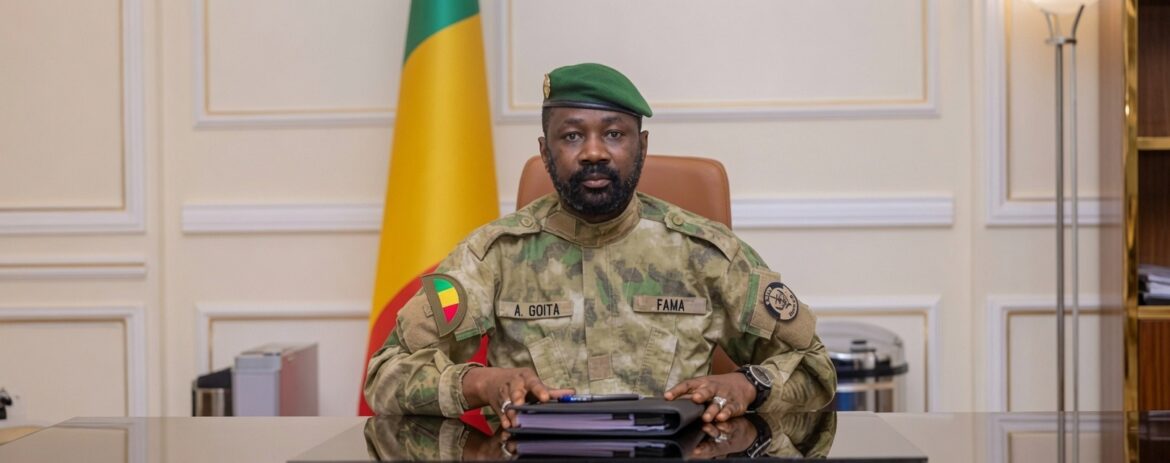
For Colonel Assimi Goïta and the supreme command, the Sévaré trials must not be dismissed as a routine cleanup or a public relations exercise. They serve as a stark warning: no military strategy can succeed if the chain of command permits weapons to leak into enemy hands, if discipline crumbles at the front, and if justice operates haphazardly. Before demanding the blind trust of the population, Mali’s defense apparatus must first confront its internal decay and seal the gaps through which its own strength drains away.