US military strikes against JNIM in Mali under consideration
In-country reporting
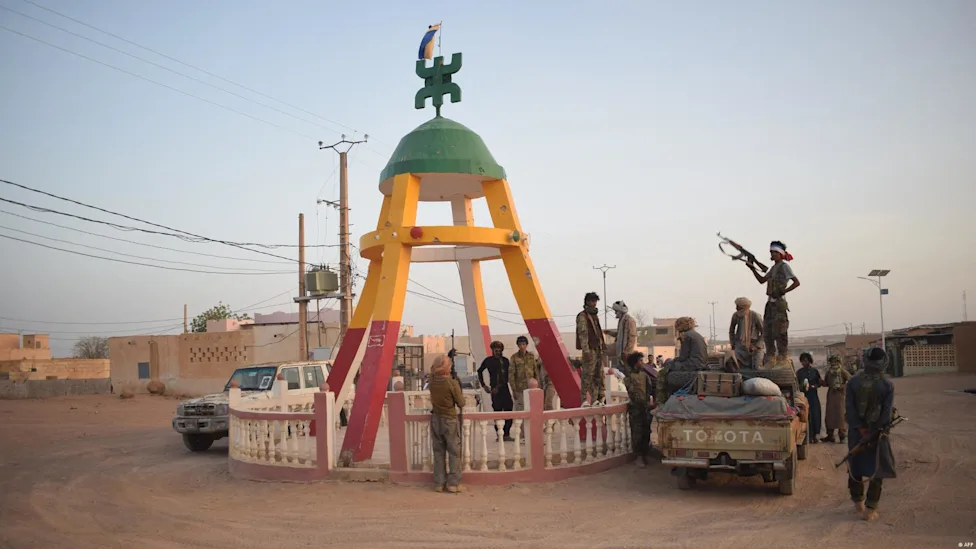
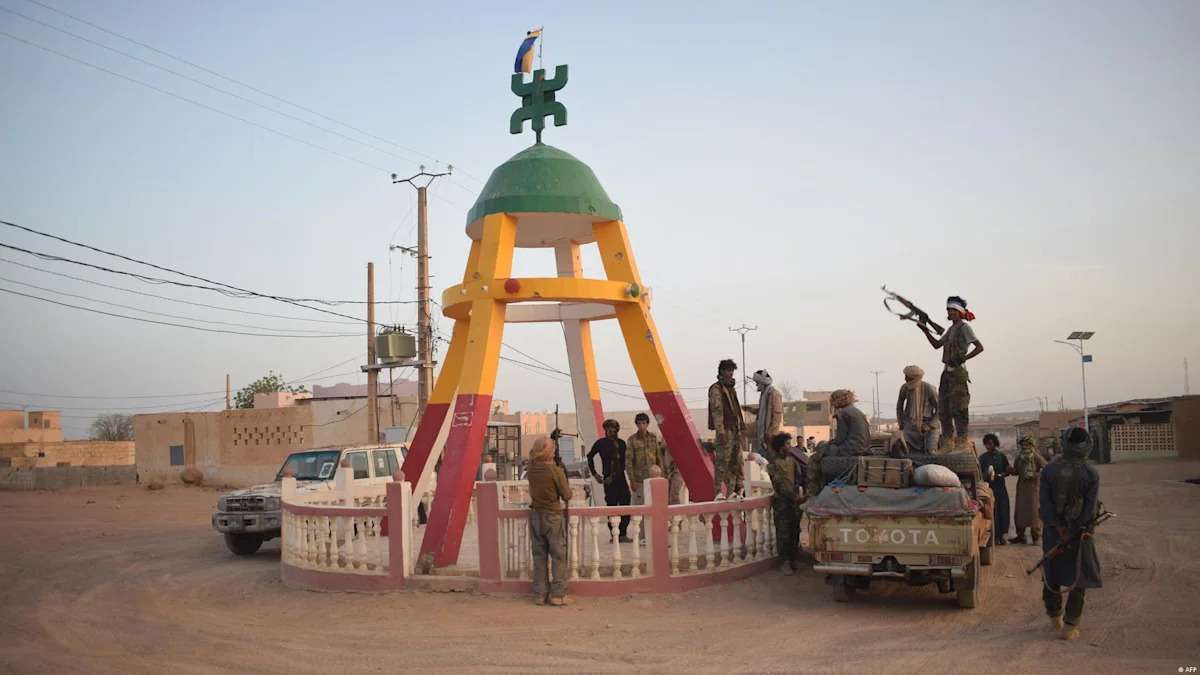
The Trump administration is weighing potential military strikes in Mali against the Group for the Support of Islam and Muslims (JNIM), an Al-Qaeda affiliate. While no final decision has been made, the proposal has already sparked debate among US officials. Meanwhile, local reactions in Mali remain divided over the prospect of American intervention on their soil.
The JNIM is currently considered the most powerful jihadist group operating in the Sahel region. Washington argues that its threat has expanded beyond Mali’s borders, now reaching several West African coastal nations.
mixed reactions from Malians
American officials have criticized Bamako’s security partnership with Russia, claiming it has failed to curb the advance of armed groups. The Pentagon, however, has neither confirmed these discussions nor announced any official stance on the matter.
Public opinion in Mali is equally split. Some residents view foreign military involvement as a potential path to restoring peace across the country, from Kayes to Kidal.
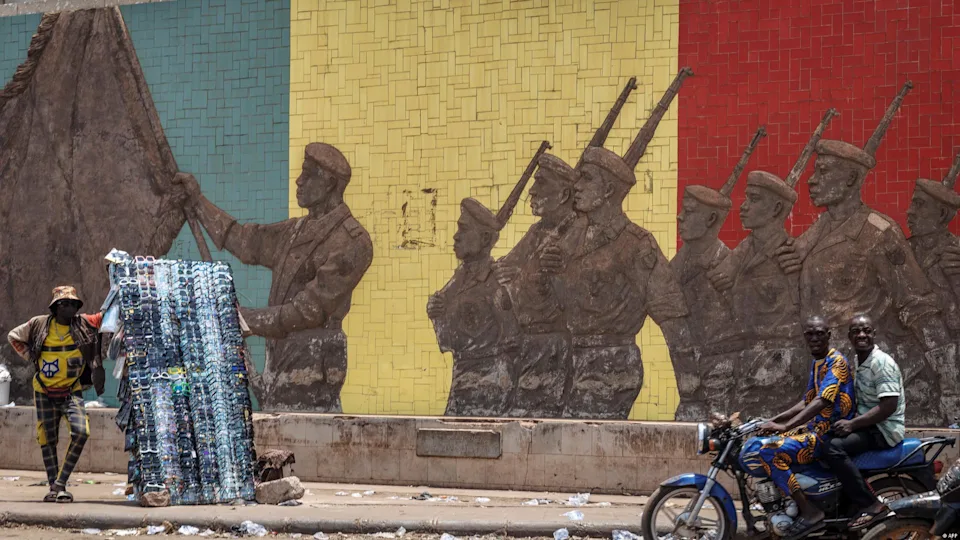
“Any approach that brings lasting peace to our entire territory—from Kayes to Kidal—is welcome. Whether it’s the United States or another partner, they’re all welcome here,” shares a resident of Bamako.
“We already have Russian forces on our soil, and now the Americans want to join. I see this as part of a diplomatic strategy,” remarks another observer, emphasizing that “the authorities know best what benefits or harms our people.”
“It’s not a bad idea, the option of US military intervention in Mali,” the observer concludes.
security challenges and geopolitical shifts
Mali has faced worsening security conditions in recent years, despite the departure of French forces and the arrival of Russian mercenaries. JNIM attacks have surged, including strikes deep into Bamako. Human rights organizations have also documented alleged abuses by Malian forces and their Russian allies against civilians.
During a press briefing ahead of next month’s defence and security exhibition in Bamako, Foreign Minister Abdoulaye Diop stated that Mali is awaiting Washington’s official position. He underscored the nation’s commitment to sovereignty while carefully evaluating all security partnerships.
Abdoulmoumouni Abbas, a Sahel and Lake Chad expert on radicalization and violent extremism, suggests that US involvement could mark a significant geopolitical shift in the region, where Russia has significantly expanded its influence over the past years.
“This US return should be viewed through the lens of strategic interests—expanding operational capabilities to gain a broader perspective on Sahel-wide counterterrorism and transnational crime,” he explains. However, he cautions that “results from Nigeria’s recent strikes raise serious concerns.” He notes that “initial strikes in Sokoto and Kebbi States missed their targets entirely,” highlighting potential risks of miscalculated military action.
Over recent months, the US has reportedly intensified intelligence-sharing cooperation with Bamako, though details remain undisclosed.