US shifts strategy to engage Sahel juntas aligning with Russia
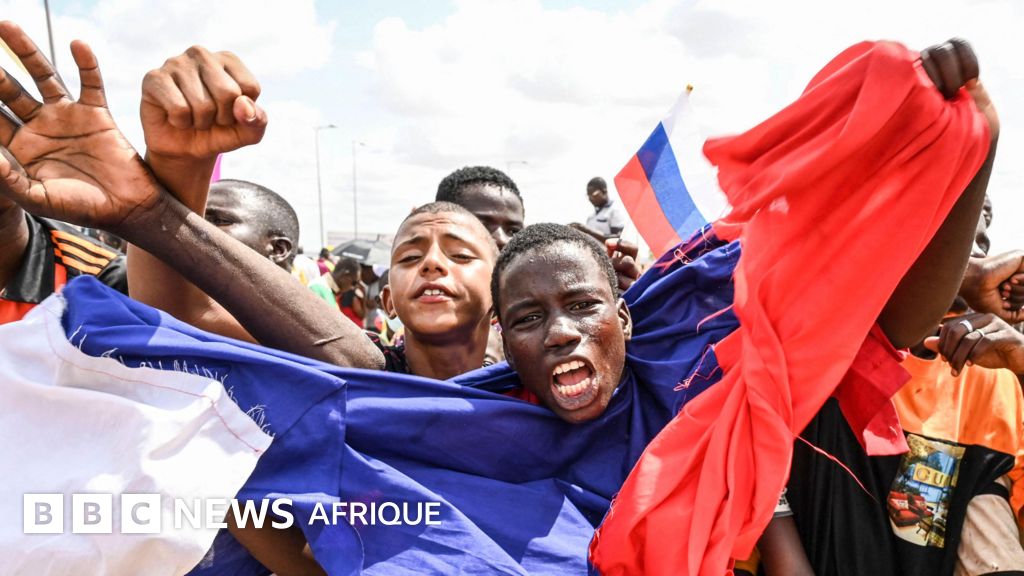
The United States has declared a strategic realignment toward three West African nations—Burkina Faso, Mali, and Niger—whose military-led governments have severed ties with France and pivoted toward Moscow. This policy shift prioritizes security cooperation while sidelining prior concerns over governance and human rights.
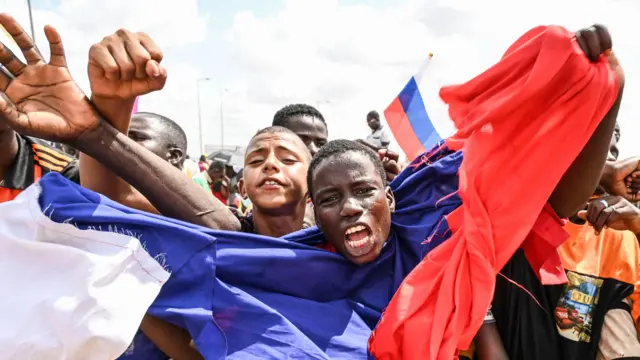
diplomatic overtures to Bamako and beyond
The US State Department announced that Nick Checker, head of its Africa Affairs Bureau, will travel to Bamako to reinforce Washington’s commitment to the Mali junta. The visit underscores a willingness to move past historical grievances, emphasizing “respect for Mali’s sovereignty” and exploring new avenues for bilateral cooperation—including with allied neighbors Burkina Faso and Niger. Notably, the agenda omits traditional US advocacy for democracy and human rights, a cornerstone of previous administrations.
This policy reversal follows a year of subtle signals, including the abrupt closure of USAID operations in the region shortly after the Trump administration took office. The move signaled a narrowed focus on security and mineral resource partnerships, with development and governance deprioritized.
security priorities overshadow governance concerns
Under President Biden, US Africa Command (AFRICOM) emphasized governance and environmental issues alongside military aid. However, with Trump’s return, priorities shifted sharply: “Combating terrorism is now the overarching goal,” stated General Michael Langley, former AFRICOM chief, in 2024. This stance was echoed by Rudolph Attalah, the State Department’s top counterterrorism official, during a Bamako visit, where he downplayed concerns about Russian military involvement in the Sahel.
The administration’s calculus appears driven by three key factors:
- Rising jihadist threats: The Sahel accounts for nearly half of global terrorism-related fatalities, with groups like the Islamic State in the Greater Sahara (ISGS) exploiting ungoverned spaces near the Mali–Burkina Faso–Niger tri-border region. Recent attacks, including an assault on Niamey’s airport, highlight the escalating danger.
- Strategic resources at risk: The region’s gold reserves and critical minerals—Mali’s lithium and Niger’s uranium—are vital for global supply chains. The Nigerien junta has already nationalized uranium mines previously operated by French firm Orano and is exploring partnerships with Russia in this sector.
- Countering Russian influence: With Moscow deploying around 1,000 private security contractors in Mali and smaller contingents in Burkina Faso and Niger, Washington seeks to balance Russia’s expanding footprint without deploying ground troops.
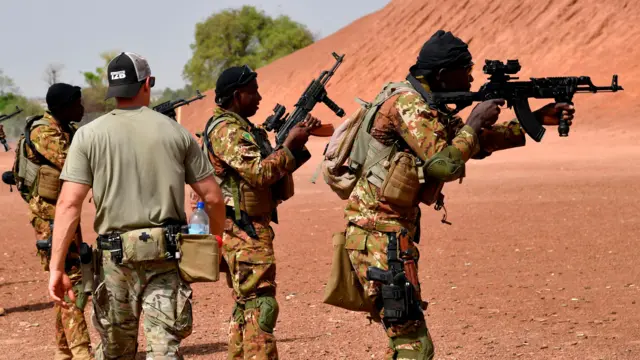
limited engagement, targeted support
While the US remains committed to counterterrorism, its approach avoids large-scale troop deployments or reopening the Agadez drone base in Niger, which was shut down after Washington pressured the junta to restore democratic rule. Instead, support will focus on:
- Intelligence sharing to target jihadist leaders and networks.
- Potential arms supplies to bolster local forces, though no plans exist to revive the Agadez base.
- Regional coordination with neighbors like Bénin, Côte d’Ivoire, Togo, and Ghana, which face spillover threats from militant groups.
The three juntas—now consolidated under the Alliance of Sahel States (AES) after withdrawing from the Economic Community of West African States (ECOWAS)—have rejected ECOWAS’s demands for election timetables. This withdrawal has stripped the regional bloc of leverage over governance, leaving neighboring states to engage pragmatically on security matters.
a fragile path forward
Analysts caution that military solutions alone cannot stabilize the Sahel. Despite a decade-long French counterterrorism campaign, jihadist violence persists due to entrenched socioeconomic grievances, including poverty and weak state presence. The US approach risks repeating past failures unless it addresses these root causes alongside security cooperation.
As Captain Ibrahim Traoré of Burkina Faso leverages anti-colonial rhetoric to rally domestic and continental support, Washington’s pragmatic engagement with his regime underscores a broader geopolitical reality: in the race to secure Sahel’s future, security trumps ideology.