The Sahel’s Costly Pledge for Security
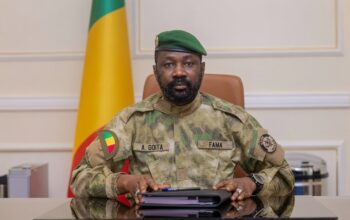
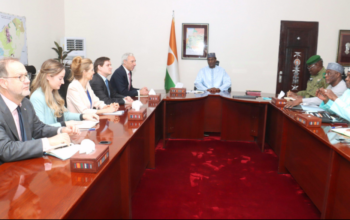
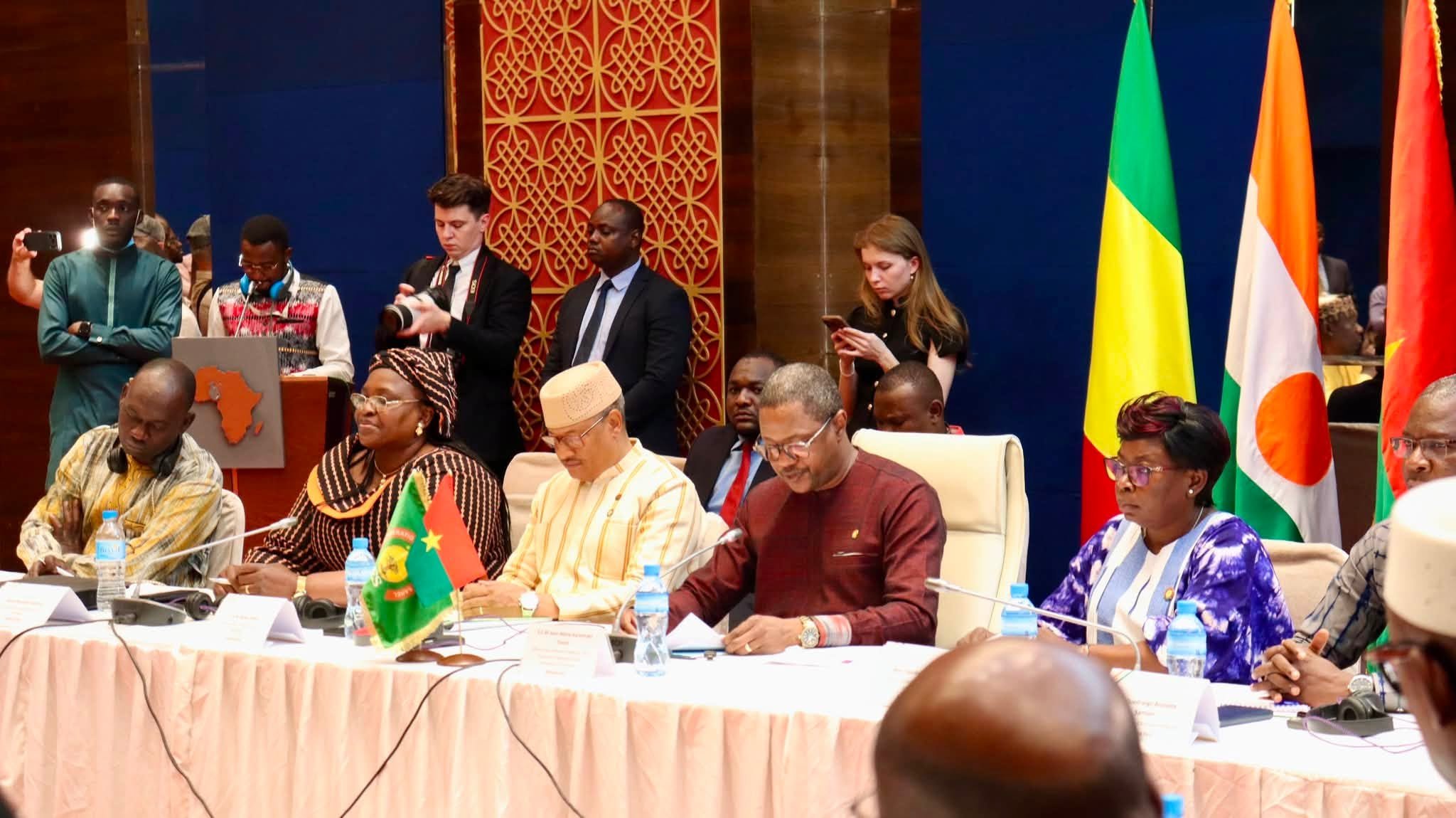
The Alliance of Sahel States (AES)—comprising Mali, Burkina Faso, and Niger—has doubled down on its exclusive military partnership with Russia. For its leaders, this collaboration symbolizes restored sovereignty and a definitive break from former Western partners. Yet, beneath the political rhetoric lies a harsh reality: violence persists, and civilians bear the heaviest burden.
When the AES came to power, it promised faster, more effective results against armed groups by severing ties with traditional allies. Years later, however, the situation remains grim. Despite Russian military aid, including drones, weapons, and advisory support, terrorist attacks continue unabated. Military outposts are frequently targeted, villages live under constant threat, and thousands remain displaced.
Conflict data from 2025 reveals a staggering toll: over 10,000 deaths in the three countries, cementing the Sahel as one of the world’s most violent regions.
A Humanitarian Crisis Deepens
The security crisis has spiraled into a full-blown humanitarian emergency. Forced displacement has engulfed more than five million people across the Sahel, according to latest UN estimates. Schools shutter by the thousands, denying an entire generation an education, while healthcare access dwindles in the most embattled zones.
Each fresh attack triggers fresh waves of displacement, abandoned settlements, and crippled local economies. Families flee with little more than what they can carry, leaving behind livelihoods and futures.
The Burden of Endless War
The conflict exacts a severe financial cost as well. Military budgets swell, arms purchases multiply, and security spending devours ever-greater shares of public funds. Meanwhile, critical needs in health, education, agriculture, and infrastructure remain unmet. As the war drags on, governments face impossible choices: fund military operations or invest in long-term stability.
A Growing Dependence on Moscow
Exclusive reliance on Moscow has created a paradoxical dynamic. As insecurity worsens, AES governments seek more Russian support—more arms, more advisers, more assistance. This cycle deepens dependence, raising a critical question: Can a strategy that demands ever-increasing foreign support truly represent a return to sovereignty?
Russia’s Strategic Gains
While the AES struggles to curb violence, Russia reaps strategic dividends. Each new military deal expands its diplomatic footprint in Africa. Arms shipments reinforce its strategic presence, and security partnerships widen its network of influence in a region rich in gold and uranium.
Beyond the battlefield, Moscow strengthens its political, economic, and media foothold, positioning the Sahel as a cornerstone of its African strategy.
Security or Illusion?
The juntas’ original goal was swift security restoration. Yet years into their alliance with Russia, the human cost remains catastrophic. Attacks persist, civilians live in perpetual fear, and displacement numbers climb.
This does not imply that Russia alone is responsible for the Sahel’s instability—a conflict rooted in decades of political, economic, and communal tensions. Still, the persistent violence raises a pressing question: If this partnership was touted as the decisive solution against terrorism, why do civilians continue to suffer such devastating losses and displacements?
As the violence drags on, one truth becomes undeniable: the Sahel’s people pay the highest price. While families mourn their dead, villages empty out, and millions are uprooted, Russia steadily deepens its strategic footprint. The paradox is stark—each passing day of conflict cements Moscow’s indispensability to military regimes, even as tangible security gains for the people remain elusive.