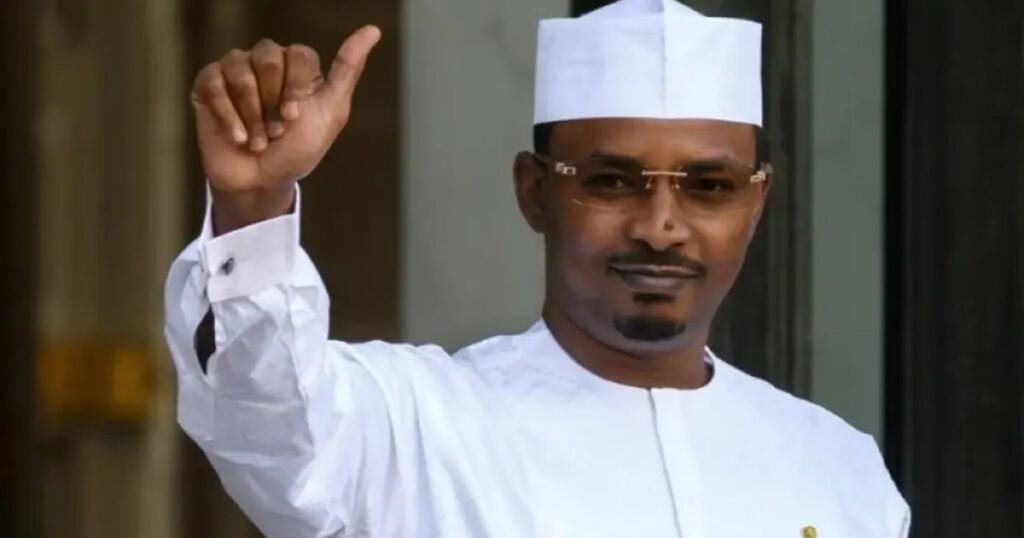
Tchad president’s clemency announcement sparks political easing hopes
As Chad marked its 66th Independence Day, President Mahamat Idriss Déby Itno declared plans to exercise his clemency powers, though the beneficiaries remain unidentified. The announcement has intensified speculation about the fate of prominent opposition figures, including former Prime Minister Succès Masra.
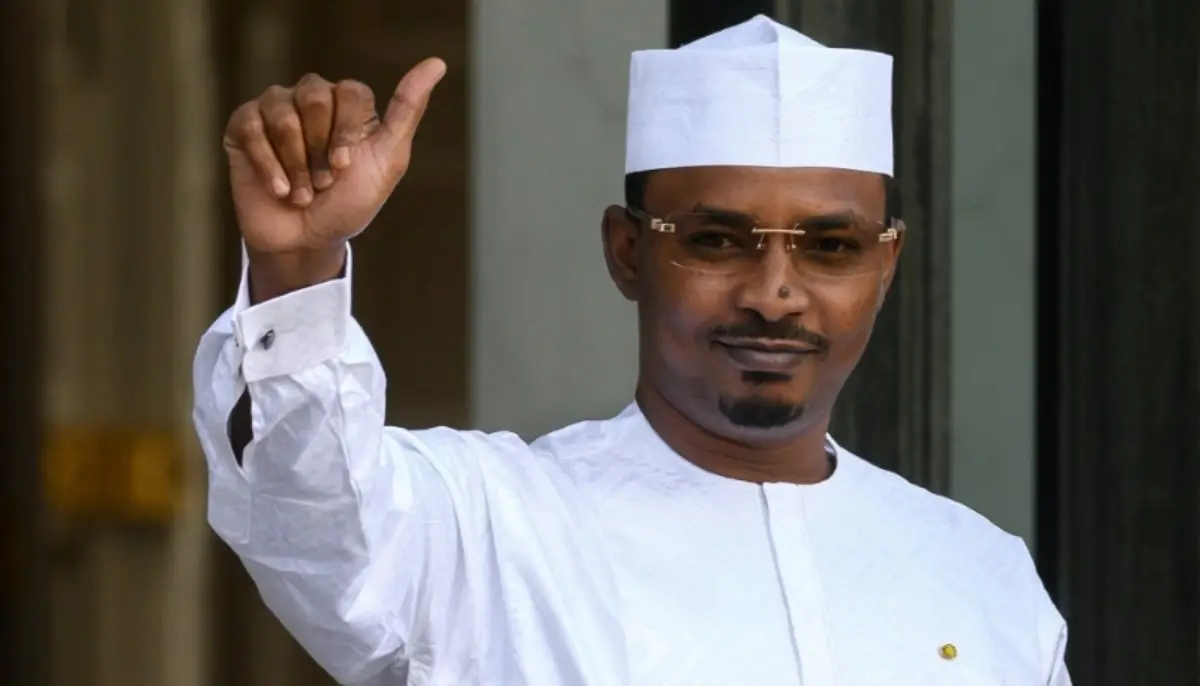
The president framed his decision within a broader message of national unity and reconciliation. The actual impact will hinge on the forthcoming decree, which will specify which individuals—if any—are granted reduced sentences or full pardons.
Uncertainty swirls around the political opposition, many of whom have long demanded gestures of goodwill. Since early 2026, the Coalition to Save Democracy in Chad (COSADT) has been advocating for political dialogue and the release of what it calls political prisoners.
Former Prime Minister Succès Masra at the heart of speculation
The case of Succès Masra remains the most closely watched. The leader of the Les Transformateurs party was sentenced in August 2025 to 20 years in prison on charges related to intercommunal violence, including accusations of spreading hate speech and complicity in murder.
His appeal was rejected by the Supreme Court on May 21, 2026, making his conviction final under Chadian law. This legal development has since revived discussions about a possible presidential pardon, a possibility that has circulated for months.
However, Les Transformateurs have consistently pushed for a different solution: amnesty. Since January 2026, the party has argued that amnesty would provide a more comprehensive political resolution for its leader’s case. Unlike a pardon, which primarily affects the execution of a sentence, amnesty could erase the legal consequences of the charges entirely, offering a stronger path to political rehabilitation.
The president’s upcoming decree will clarify whether the announced clemency is merely a customary gesture tied to the national celebration or whether it carries deeper political implications. If Succès Masra or other opposition figures are included among the beneficiaries, the decision could mark one of the most significant acts of political easing since the end of Chad’s transitional period.
Calls for broader political easing extend beyond Succès Masra
The COSADT and other opposition groups have intensified their calls this year for the release of imprisoned activists and leaders, as well as for direct dialogue with the government. They argue that political tensions have escalated and that urgent measures are needed to rebuild trust between authorities and the opposition.
Chad’s government has countered these claims, citing institutional stability and adherence to judicial procedures. The situation has been further complicated by Chad’s July 27, 2026 decision to withdraw from the Rome Statute, which establishes the International Criminal Court (ICC). The withdrawal will take effect one year after notification, as per ICC rules. Opposition demands have thus focused not on an immediate return to the ICC but on reconsidering the withdrawal process itself.
The president’s decree will reveal whether the clemency announcement is a symbolic gesture or a deliberate step toward political reconciliation. The inclusion of key opposition figures could signal a new phase in Chad’s post-transition landscape.
You may also like
Will Benin’s AEO exporters finally crack the Chinese market?
Northern Niger’s unanswered question: can Tiani’s government deliver water and power where it matters most?
Can Air Sénégal survive the Interpol smuggling probe? The stakes for crew, passengers and the airline’s future
As donor fatigue spreads, can Benin’s €544,042 UNAIDS pledge keep the HIV response on track?
Who pays the price when Burkina Faso’s public payroll contracts? Households weigh the cost of 1,917 fewer agents