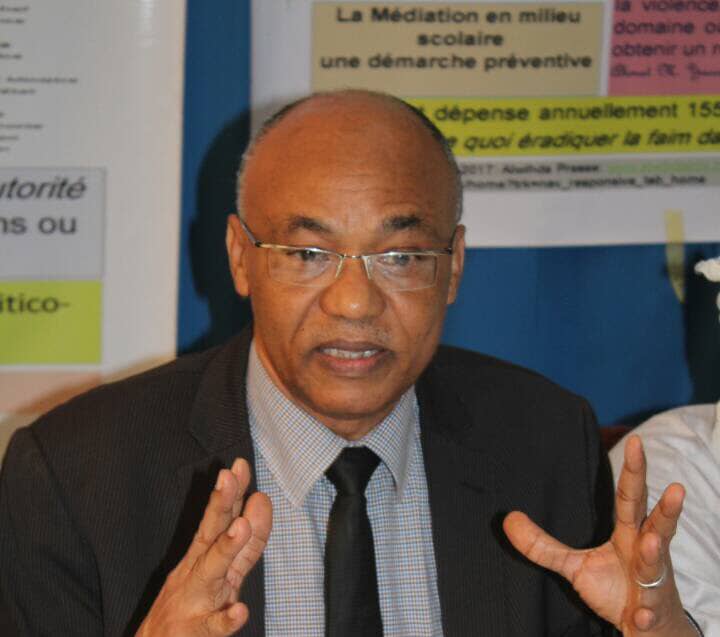
Tchad: presidential pardon to opposition leaders sparks cautious optimism
Dr. Ahmat Yacoub Dabio, conflict resolution expert, views the presidential pardon as a positive step toward easing political tensions in Chad, though he stresses it is only the first step toward lasting reconciliation.
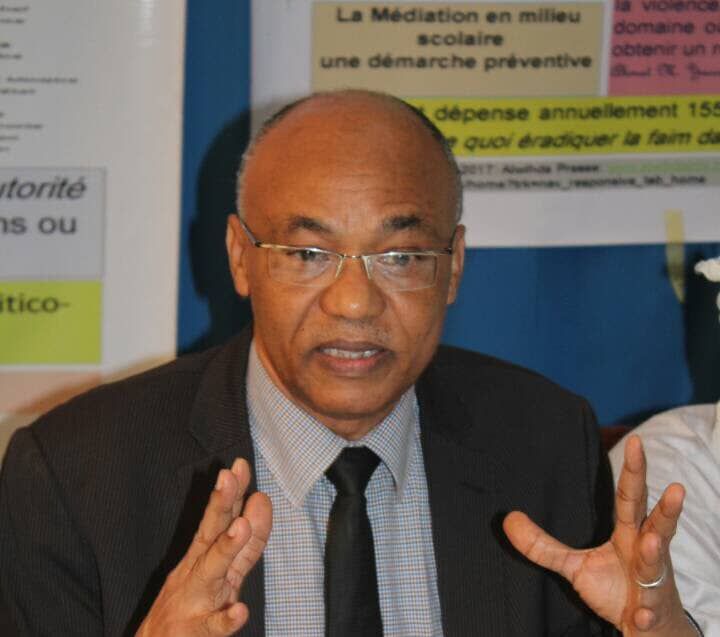
The recent presidential pardon granted to prominent opposition figures in Chad marks a significant political gesture, according to Dr. Ahmat Yacoub Dabio, conflict management expert and president of the Center for Development Studies and Extremism Prevention (CEDPE). While the move temporarily eases political pressure and creates room for dialogue, Dabio cautions against equating pardon with full-fledged political reconciliation.
The core challenge lies in the conditions required for sustainable stability. The situation is further complicated by the fact that several key opposition leaders remain ineligible to run in elections, despite their release. This paradox leaves pardoned figures free yet still barred from participating in the political process—a contradiction that risks deepening public frustration.
According to the CEDPE, this dynamic is set to reshape Chad’s political landscape. Traditional parties may struggle to adapt, potentially losing ground to a new generation of leaders who focus more closely on citizens’ daily concerns: employment, purchasing power, security, and justice. However, if the ineligibility clauses are seen as permanent barriers, they could fuel resentment rather than reconciliation.
Dabio emphasizes that a presidential pardon alone cannot restore trust between the government and opposition. Chad needs a credible, inclusive, and transparent framework to transform this gesture into a meaningful national reconciliation process. Without such measures, the current opening may prove fleeting, leaving unresolved grievances to simmer beneath the surface.
You may also like
Can Tinubu’s Lagos homecoming before Nigeria’s 66th independence day reshape his 2027 path?
Burkina Faso: what does Ibrahim Traoré’s four-year record truly mean for the displaced and the silenced?
Cameroon’s Vision 4 suspension: does silencing a broadcaster protect the Martinez Zogo trial or undermine press freedom?
Thali oil permit: can Prime Global Energies’ $15 million rescue finally unlock Cameroon’s stalled Njom-3 well?
Can West Africa’s peace hold without the Entente Council and UNOWAS pact?