Senegal’s electoral reform: president faye’s move opens door for ousmane sonko’s 2029 candidacy
President Bassirou Diomaye Faye has officially signed into law a contentious electoral reform, a move that is poised to significantly impact the political trajectory of Pastef and potentially position Ousmane Sonko favorably for the 2029 presidential election. While internal party discussions intensify, this legislative change introduces new, uncertain political dynamics.
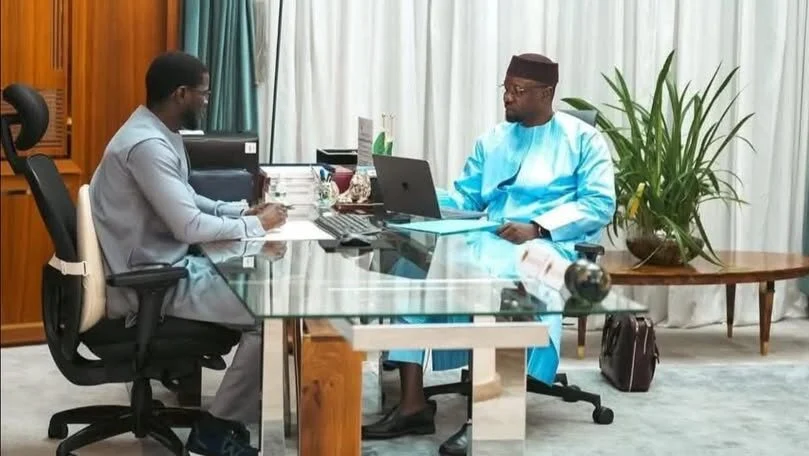
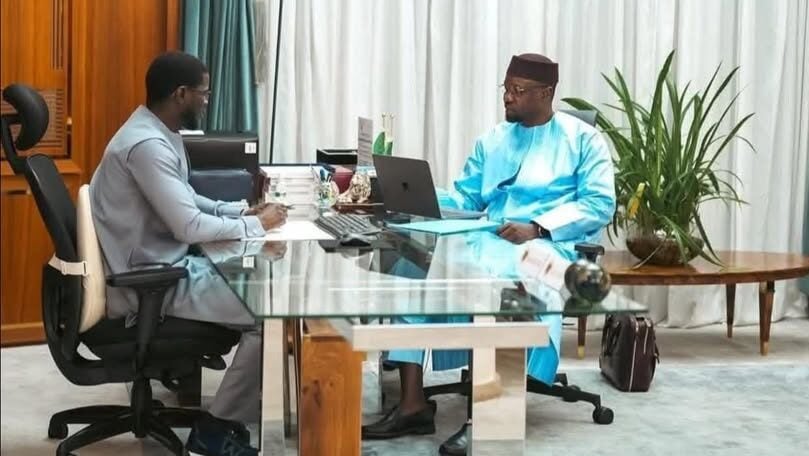
The President of the Republic of Senegal, Bassirou Diomaye Faye, has enacted a significant amendment to the electoral code. This legislative move is widely perceived by political analysts as a critical step that could clear the path for Prime Minister Ousmane Sonko’s eligibility in the 2029 presidential contest. The decree confirming this promulgation was officially verified on Saturday.
This presidential action unfolds amidst considerable internal discord within the Pastef party. Several key figures within the party had voiced concerns, suspecting the head of state might attempt to obstruct or delay the final adoption of the bill. Ousmane Sonko himself was notably barred from participating in the March 2024 presidential election following a defamation conviction, which resulted in the suspension of his civil rights. At that crucial juncture, he designated his long-standing political ally and close associate, Bassirou Diomaye Faye, as his substitute candidate. The recent electoral code reform has been the subject of intense national debate in Senegal over recent weeks. Even within the presidential camp, various voices suggested that this legislative adjustment could directly influence the Prime Minister’s future eligibility for office.
growing divisions within pastef
Public disagreements have emerged between Bassirou Diomaye Faye and Ousmane Sonko, fueling speculation about the political future of the duo as the 2029 presidential election draws nearer. The legislative text initially received parliamentary approval on April 28. However, President Faye subsequently requested a second reading, citing “material errors” within the proposed law. This decision sparked criticism from segments within Pastef. Some party officials accused the head of state of deliberately slowing the bill’s progression, attributing personal presidential ambitions to him for the upcoming election.
On May 9, members of parliament ultimately passed the reform for a second time, preceding its official promulgation by the President of the Republic, as confirmed by the decree signed on Tuesday. The new legislation primarily aims to “reorganize and clarify” the stipulations regarding civic disqualification. Furthermore, the text introduces a limitation and harmonization of the duration of such disqualification, now set at five years following the completion of the pronounced sentence. A particularly debated aspect of this reform is its retroactive application. As a staunch critic of former President Macky Sall, Ousmane Sonko had been handed a six-month suspended prison sentence and ordered to pay damages in May 2023, following an appeal in a defamation case brought by a minister from the Macky Sall administration.
ousmane sonko’s eligibility status
This conviction was subsequently upheld by the Supreme Court in January 2024, mere weeks before the presidential election. In July 2025, the Supreme Court also dismissed a further appeal lodged by Ousmane Sonko, reigniting questions surrounding his future eligibility. Despite these legal challenges, the Pastef leader was elected as a deputy in the November 2024 legislative elections, although he later relinquished his parliamentary seat to continue serving as Prime Minister.