Senegal’s new electoral reform reignites talk of Ousmane Sonko’s 2029 presidential bid
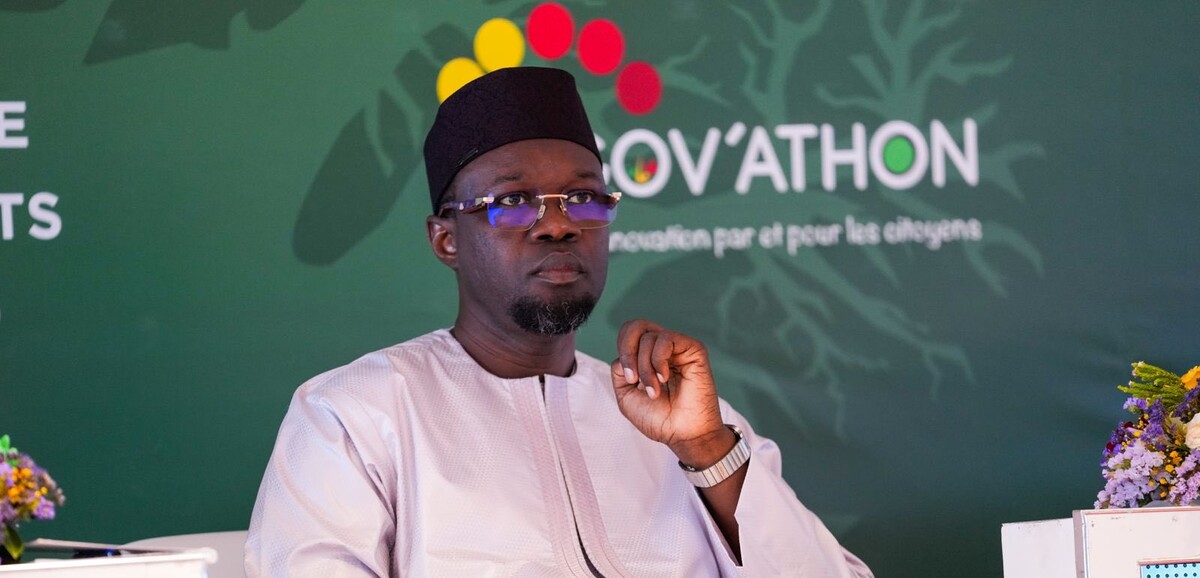
Breaking news. President Bassirou Diomaye Faye has signed into law a sweeping electoral reform that may clear the path for opposition leader Ousmane Sonko to run in the 2029 presidential election.
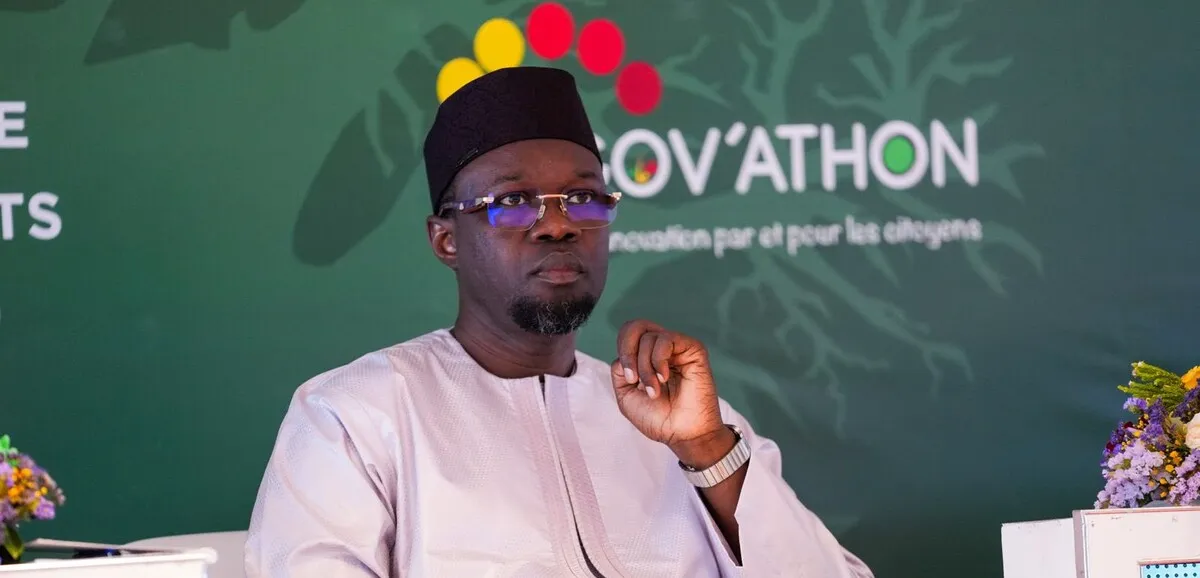
The landmark legislation introduces a five-year limit on the loss of civil rights following a conviction, with retroactive application. This change could render Ousmane Sonko eligible for the 2029 vote, reversing his previous exclusion.
Sonko’s 2024 exclusion
The current Prime Minister was barred from contesting the 2024 presidential election after his defamation conviction was upheld by the Supreme Court. He then backed Bassirou Diomaye Faye, whose victory propelled him to the presidency.
Internal party tensions escalate
The reform has stoked sharp divisions within the Pastef coalition. Some of Sonko’s allies recently accused President Faye of attempting to block the bill, sparking speculation about growing tensions ahead of 2029.
Political landscape shifts
Despite his conviction, Sonko won a parliamentary seat in the 2024 legislative elections but chose not to assume it, opting to remain as head of government. His supporters now argue this move further strengthens his eligibility for future elections.