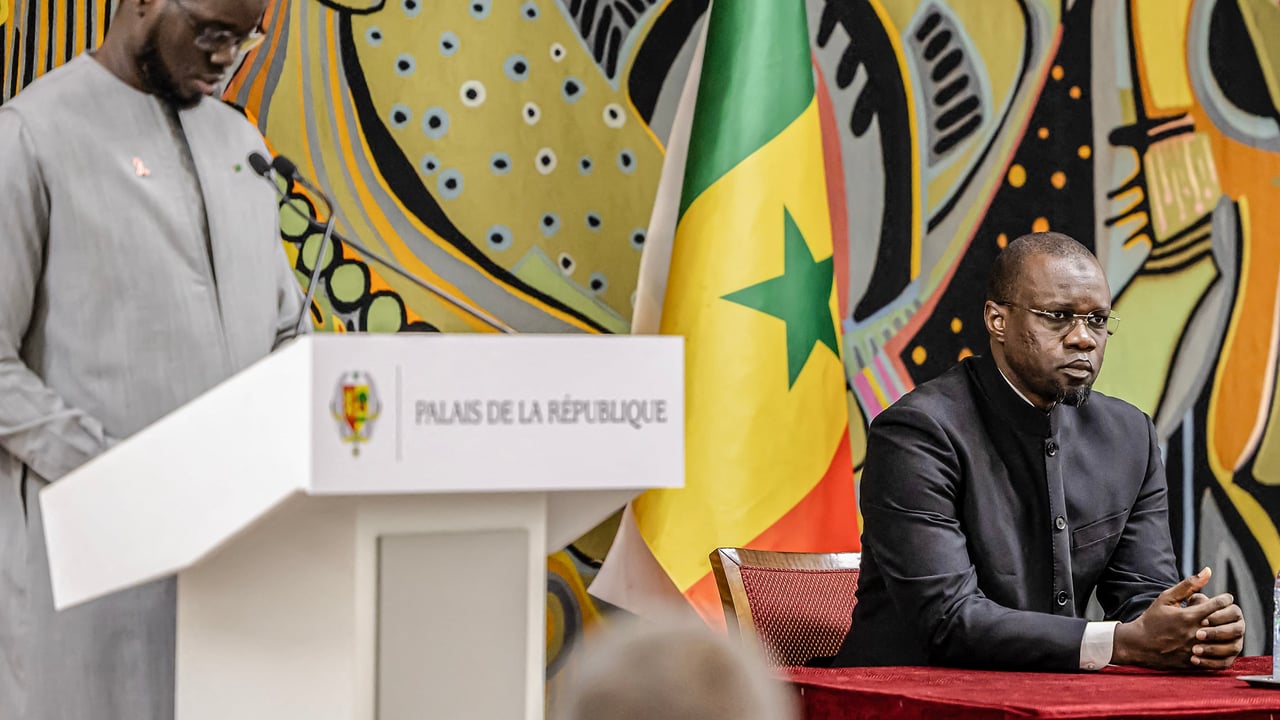

During a press briefing on National Day last year, President Bassirou Diomaye Faye made a bold declaration: he intends to overhaul the balance of power between the presidency and other state institutions. His words were crystal clear: “I want strong CEOs, strong ministers, and an exceptionally strong Prime Minister. I refuse to become a president who hoards all the power.”
Why this constitutional reform could strengthen opposition figures
While the president’s remarks suggest a shift toward more collaborative governance, political analysts argue that the proposed changes may inadvertently create advantages for key opposition leaders—particularly Ousmane Sonko. The reform, if passed, would redistribute executive authority, potentially enabling opposition figures to gain greater influence in shaping national policies.
The proposed adjustments include reducing the president’s unilateral decision-making powers while expanding the roles of other elected officials. This structural change could open doors for opposition leaders to secure key ministerial positions or influence legislative processes more directly than under the current system.
Potential impacts on Senegal’s political landscape
The constitutional amendments under discussion would fundamentally alter how power is shared in Senegal. Currently, the presidency holds sweeping executive powers, but the reform aims to decentralize authority, creating a more balanced distribution of responsibilities. This could lead to:
- Stronger parliamentary oversight: With a more empowered Prime Minister and Cabinet, the National Assembly would play a more active role in governance, potentially benefiting opposition parties that hold parliamentary seats.
- Enhanced local governance: By redistributing some presidential powers to regional leaders, the reform could strengthen decentralized decision-making, giving opposition-aligned local officials more leeway to implement policies aligned with their agendas.
- Increased political pluralism: A more fragmented executive structure may allow smaller political groups, including those backed by Sonko’s party, to negotiate for key positions and policy influence.
Opposition reactions and strategic implications
Leaders within Sonko’s party have signaled cautious optimism about the reform, seeing it as an opportunity to break the dominance of the ruling coalition. While the president’s intentions remain centered on reducing executive overreach, the unintended consequence could be a political environment where opposition voices—particularly Sonko’s—gain unprecedented access to power corridors.
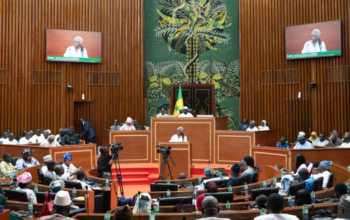
However, the reform’s success hinges on parliamentary approval, where opposition parties would need to strategically position themselves to capitalize on the new power dynamics. If the amendments pass, the coming years could see a reshuffling of political alliances, with Sonko’s movement potentially emerging as a kingmaker in Senegal’s evolving governance structure.
What’s next for Senegal’s constitutional debate?
The draft amendments are currently under review by legal experts and will soon be submitted to the National Assembly for debate. While President Faye has framed the reform as a move toward transparency and shared governance, its long-term effects on the political balance remain a subject of intense speculation.
The coming months will be crucial in determining whether this constitutional overhaul will lead to a more inclusive political system—or inadvertently consolidate influence in the hands of opposition figures like Ousmane Sonko.