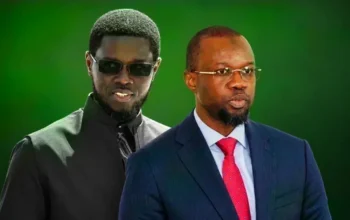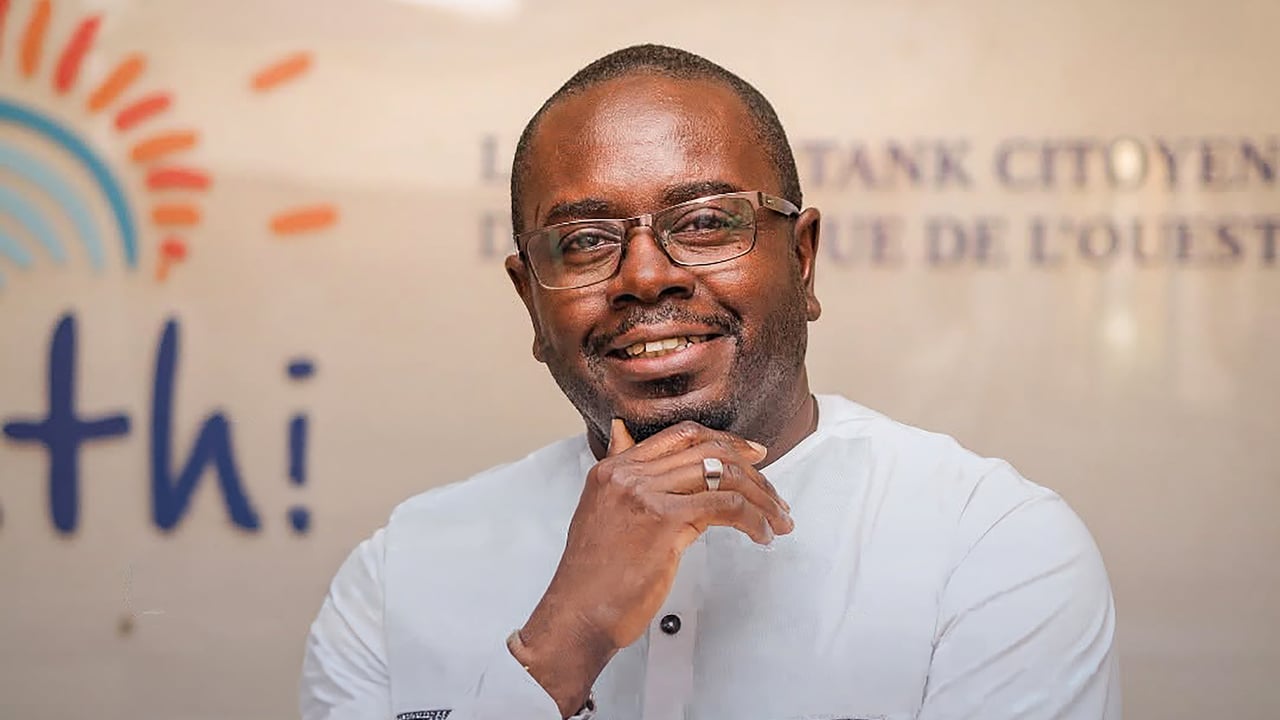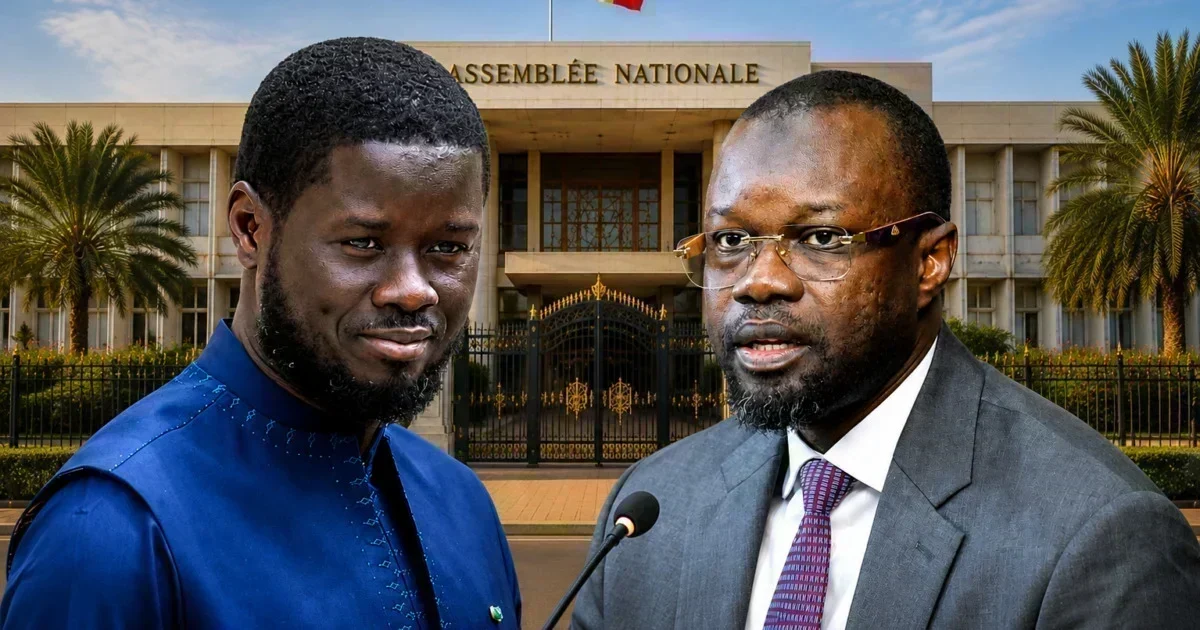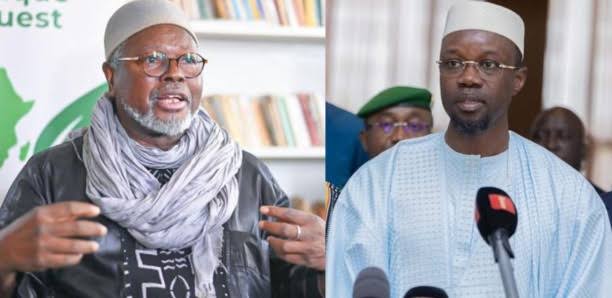
In a fresh perspective on Senegal’s evolving political landscape, prominent civil society figure Alioune Tine, founder of the Afrikajom Center, has weighed in on the current dynamics between Ousmane Sonko and Bassirou Diomaye Faye, dismissing rumored rifts while highlighting a notable absence of alignment.
Strategic missteps in Sonko’s political trajectory
Tine argues that Ousmane Sonko’s decision to assume the presidency of the National Assembly constitutes a critical strategic error. He contends that, given Sonko’s presidential ambitions, stepping aside after his tenure as Prime Minister would have been the wiser path. In Tine’s view, dedicating time to strengthening Pastef—the party Sonko leads—and allowing public momentum to build toward the 2029 presidential elections would have been more advantageous. By taking on a legislative role, Sonko risks diluting his focus on the broader political project that could propel him to the highest office.
El Malick Ndiaye: a parliamentary leader praised for his performance
Tine also took the opportunity to commend El Malick Ndiaye, the former president of the National Assembly, for his exemplary leadership of the parliamentary institution. Speaking during an appearance on the Tolouway program, Tine emphasized that Ndiaye’s tenure perfectly matched the expectations of both citizens and political observers. His ability to steer the Assembly with competence and integrity, Tine noted, made him an ideal figurehead for the role.
Parliamentary leadership: a role without added value?
The civil society leader went further, suggesting that Sonko’s new position offers no tangible benefits. Since the majority of deputies already align with Sonko’s political vision, he argued, the presidency of the Assembly is redundant. The influence and oversight typically associated with the role could have been maintained without Sonko assuming the position, allowing Ndiaye to continue his work uninterrupted. In Tine’s assessment, this move represents a missed opportunity to consolidate Sonko’s long-term political capital.