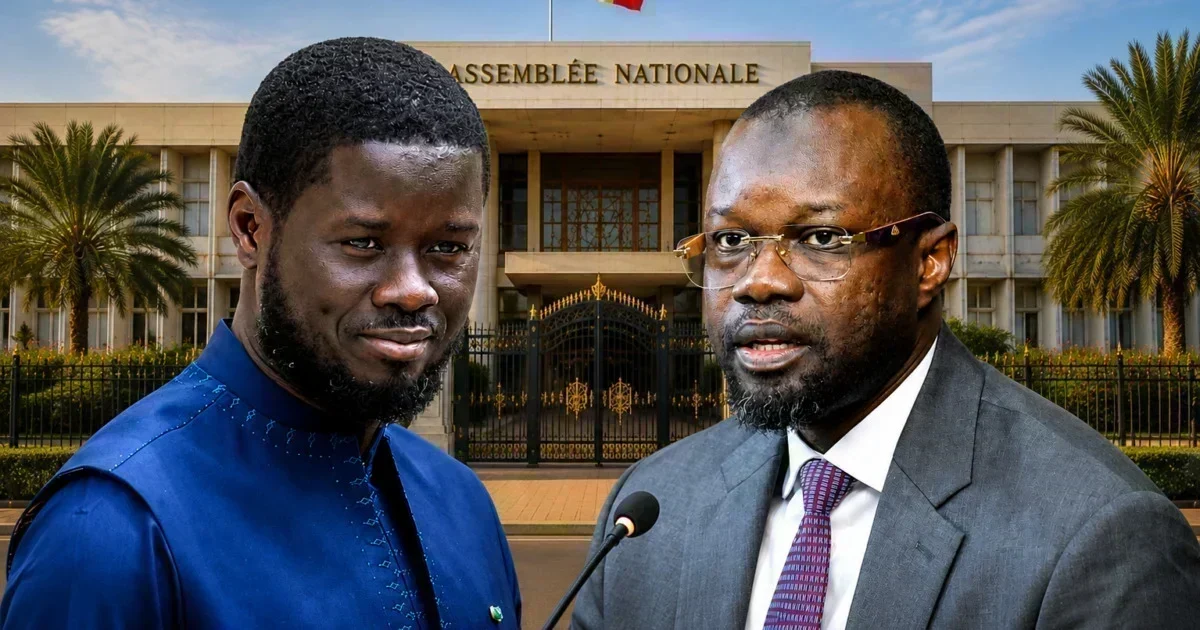
Senegalese Assembly rejects presidential amendments on special credits
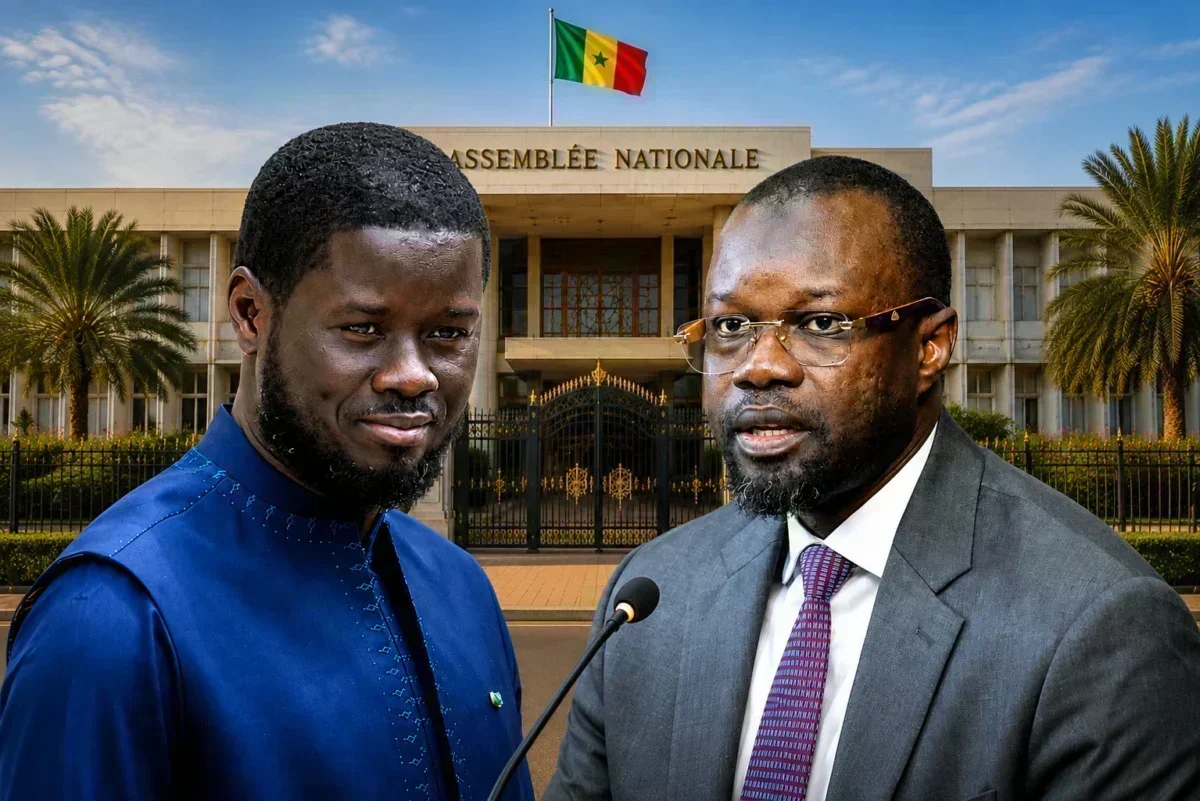
Tensions between the executive and legislative branches escalate as disputes over legal procedures and amendments disrupt lawmaking.
The power struggle at Senegal’s National Assembly intensifies following the latest clash over special credit regulations. After weeks of debate surrounding asset declarations, yesterday’s technical commission meeting became another battleground between President Bassirou Diomaye Faye’s administration and legislators. The government’s attempt to push through amendments to the special credit proposal faced immediate resistance, with all six amendments rejected by Pastef party deputies. Will the executive branch deploy Article 82 next week during the plenary session?
Yesterday’s session in the Finance and Budget Control Commission, led by President Cherif Ahmed Dicko, began at 3 PM. Instead of the expected Minister of Economy, Finance, and Planning, Cheikh Diba, Justice Minister Moussa Sarr arrived to present the government’s position. Sarr immediately raised procedural concerns about the proposal’s drafting, citing inconsistencies before introducing six amendments. Pastef deputies requested a recess to review the changes, delaying the proceedings for over an hour.
Justice Minister’s surprise appearance sparks procedural debate
President Bassirou Diomaye Faye’s decision to send Justice Minister Moussa Sarr in place of Cheikh Diba raised eyebrows. Official records show the interim decree was signed on August 7, nearly a week before the meeting. The move appears strategic, as Sarr’s presence signaled the government’s determination to assert its position on the special credit framework.
Upon resuming, Pastef deputies summarily rejected all six amendments proposed by Sarr. Only one amendment, introduced by deputy Alphonse Mané Sambou, survived the vote. Sambou’s proposal reinforced parliamentary oversight by specifying that the Finance and Budget Control Commission would oversee the use of special credits, with managers required to maintain detailed financial records for verification.
Fundamental disagreements over credit definitions and oversight
The government’s rejected amendments revealed stark differences in how special credits should be defined and controlled. While the original proposal limited special credits to defense, national security, and intelligence activities, the executive branch sought to expand the scope to include social stability, African solidarity values, humanitarian emergencies, and national interest preservation during crises.
Another point of contention involved oversight mechanisms. The government proposed maintaining existing regulatory frameworks for credit control, while legislators insisted on the Finance Commission’s exclusive authority to monitor these funds. The adopted amendment by Sambou explicitly granted the Finance Commission this oversight role, requiring managers to submit comprehensive documentation for verification.
The technical commission ultimately approved the Pastef deputies’ proposal, setting the stage for next week’s plenary session. Government officials have vowed to reintroduce their amendments, which will likely face the same fate. Past attempts to bypass legislative scrutiny through Article 82 have drawn strong opposition from National Assembly President Ousmane Sonko, who has pledged to challenge such maneuvers unless they involve urgent government projects. This persistent deadlock may force another constitutional review.