- Featured
- Politics
Ousmane Sonko’s uncompromising position on Senegal’s IMF agreement
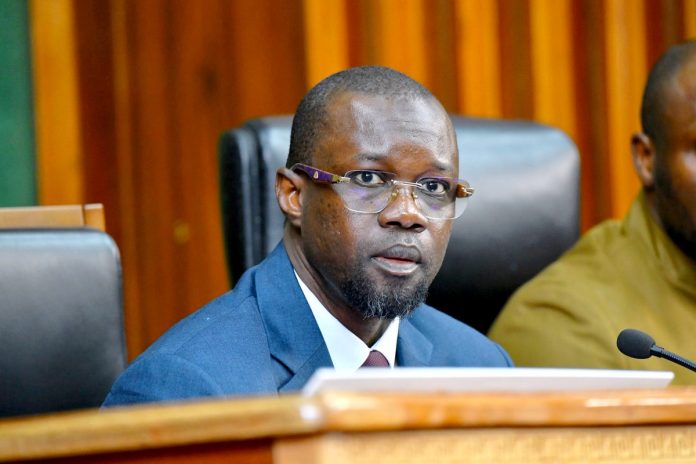
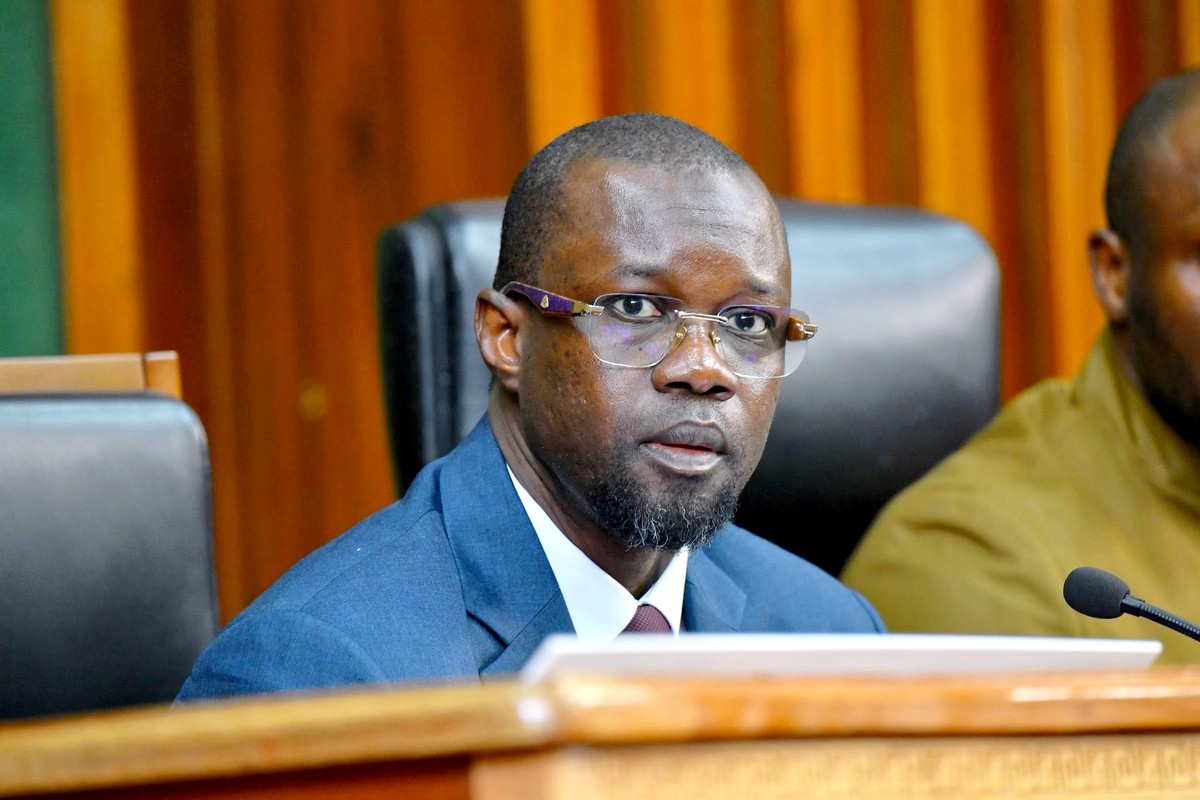
Ousmane Sonko, former Prime Minister and current President of Senegal’s National Assembly, has delivered a decisive response to the newly announced International Monetary Fund (IMF) agreement with the Senegalese government.
In a statement released on his official Facebook page, Sonko emphasized that the upcoming parliamentary session will scrutinize every aspect of this financial arrangement. His remarks come shortly after the IMF and Senegal finalized a new loan package exceeding $2 billion (1,245 billion FCFA) aimed at supporting Dakar’s economic recovery.
This announcement follows Sonko’s earlier revelations about undisclosed government debt, which led to the suspension of Senegal’s IMF program in 2024. In his latest comments, he highlights the lack of clarity surrounding the agreement’s technical details and the absence of concrete commitments from Senegal.
Sonko notes, «We have observed the IMF and Senegalese government’s statements about a technical agreement, which remains provisional until final approval by the IMF’s executive board.» However, he points out that diplomatic language has obscured critical questions about Senegal’s obligations under the proposed deal:
Key concerns raised by Sonko
- Debt treatment: What specific measures will Senegal implement to address its debt obligations?
- Reforms: Which structural changes are planned to ensure fiscal sustainability, protect vulnerable households, enhance domestic revenue mobilization, optimize public spending, strengthen social safety nets, oversee state-owned enterprises, and improve the business environment?
- Debt audits: Will international debt audits, previously demanded, still be conducted?
Sonko stresses that these commitments directly impact all Senegalese citizens, who will bear the consequences of today’s decisions in the years ahead.
A call for transparency
Having participated in prolonged negotiations, Sonko warns against repeating past mistakes and insists on absolute transparency. He points out that such negotiations typically result in a policy memorandum—a binding document outlining Senegal’s economic and financial commitments. To ensure public accountability, he demands two actions:
- Publish the memorandum: Make the full document publicly available to enable informed debate on Senegal’s obligations.
- Submit to the National Assembly: If full publication is not possible, the memorandum must be shared with the National Assembly—the people’s elected representatives—for review.
Sonko asserts that the government’s major policy directions will be reflected in either a revised budget law (LFR) or the 2027 finance bill, scheduled for submission to the National Assembly in October 2026. He vows, «The debate will take place—and it will be thorough.»