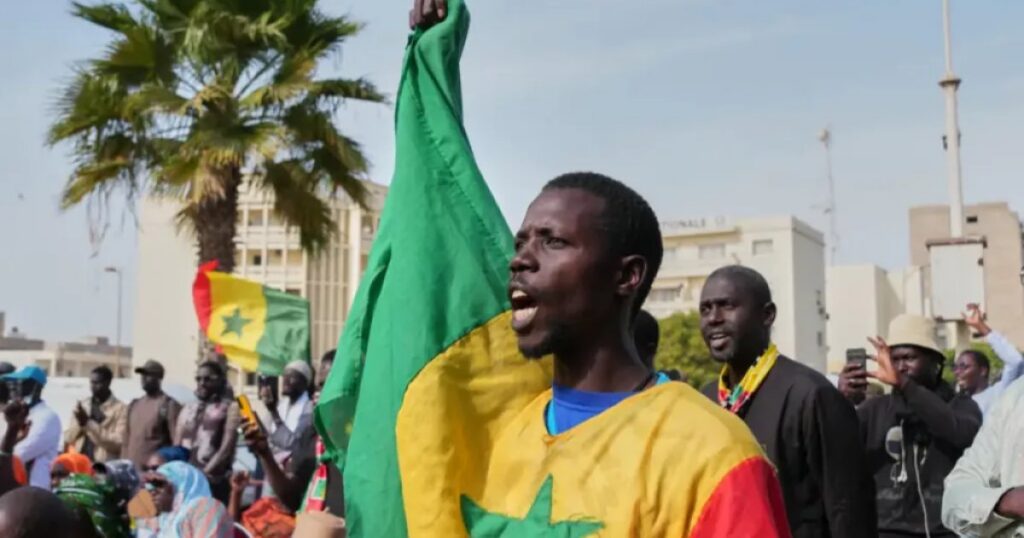
Sénégal parliament to review constitutional reform and secret funds amid political tensions
With political relations strained, the National Assembly in Dakar convened an extraordinary session this week to scrutinize five bills, including two emergency proposals from the ruling Pastef coalition. Among the priorities: a constitutional amendment requiring the president to declare assets at the end of their term, and tighter oversight of special presidential funds.

Table of contents
The extraordinary parliamentary session in Dakar follows weeks of political friction between the Prime Minister’s office and the administration of President Bassirou Diomaye Faye. Lawmakers will deliberate on five bills over the next fifteen days, with two urgent proposals from the ruling Pastef coalition taking center stage.
The first proposal seeks to amend Article 37 of the Constitution, introducing a requirement for presidents to declare their assets not only upon taking office but also at the conclusion of their mandate. This provision was part of a broader constitutional review adopted in late June, but it was struck down by the Constitutional Council, delivering a setback to the Pastef camp. The new legislative push aims to reintroduce the reform in a revised form.
The second urgent bill targets the so-called « special credits », commonly referred to as « secret funds ». These discretionary allocations, granted to both the presidency and the prime minister’s office, could face enhanced scrutiny through a dedicated parliamentary committee. The move reflects growing demands for greater fiscal transparency in government spending.
Increased oversight of special funds at the heart of the dispute
The management of these special funds has been a major point of contention between National Assembly President Ousmane Sonko and President Bassirou Diomaye Faye. The disagreement escalated in May, ultimately leading to a public rift between the two leaders.
Moussa Diaw, a political science professor at the University of Saint-Louis, views these legislative initiatives as part of a broader strategy by the Pastef coalition to hold the presidency accountable and reinforce transparency. Diaw also suggests a connection between the current parliamentary offensive and President Faye’s recent move to establish a new political party, Kiiraay, which is seen as consolidating his influence ahead of upcoming elections.
Both bills will be fast-tracked through the legislative process, though their final adoption remains uncertain pending parliamentary debate and potential review by the Constitutional Council.
In addition to the two Pastef proposals, the extraordinary session will also consider three government-backed bills focused on social security reform, labor law updates, and digital security. The digital security legislation comes in response to a series of recent cyberattacks targeting key state institutions, including the Public Treasury, which has faced three separate incidents since October 2025. The proposed law aims to establish a robust framework for safeguarding national digital infrastructure and data.
You may also like
Can Washington force third-country deportations? Ivory Coast’s refusal raises the stakes
Will Benin’s AEO exporters finally crack the Chinese market?
Northern Niger’s unanswered question: can Tiani’s government deliver water and power where it matters most?
Can Air Sénégal survive the Interpol smuggling probe? The stakes for crew, passengers and the airline’s future
As donor fatigue spreads, can Benin’s €544,042 UNAIDS pledge keep the HIV response on track?