In Sénégal, the Parti Démocratique Sénégalais (PDS) has officially called for a “no” vote regarding the upcoming referendum on constitutional changes.
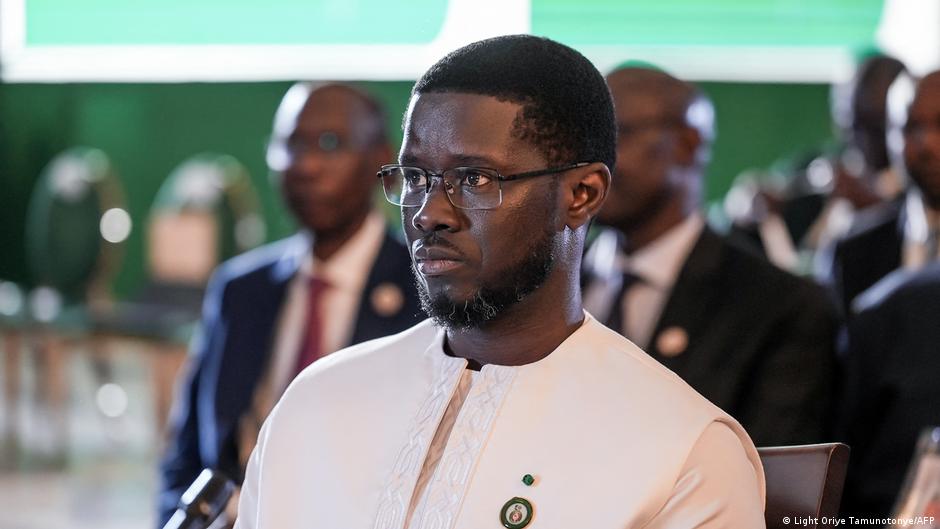
President Bassirou Diomaye Faye recently announced this public consultation, allowing citizens to decide the fate of a law that has become a flashpoint for national controversy. The legislation, which was approved by a majority in the National Assembly, was originally proposed by Ousmane Sonko’s Pastef party. It seeks to significantly increase the powers of Parliament while placing new restrictions on the authority of the Head of State.
By rejecting the reform, the PDS is effectively aligning itself with the President’s position. This move by the party of Abdoulaye Wade, while striking, follows a complex history of shifting political alliances in the country.
The evolution of the PDS-Diomaye relationship
The roots of this cooperation trace back to the 2022 legislative elections, when the PDS and Pastef formed a coalition to challenge the dominance of then-President Macky Sall. This partnership deepened during the 2024 presidential campaign. When Karim Wade was disqualified from the race, the PDS leadership threw its weight behind the Ousmane Sonko–Bassirou Diomaye Faye ticket.
This endorsement was vital for Bassirou Diomaye Faye, as it allowed him to capture a broader segment of the electorate. While the official narrative was the protection of democratic principles and the defeat of government candidate Amadou Ba, the PDS was also motivated by a desire to remain relevant after Karim Wade’s exclusion, which they blamed on the Macky Sall administration.
A relationship defined by convenience
Despite their shared electoral goals, a lasting alliance never fully materialized. Following the victory of Bassirou Diomaye Faye, the PDS did not join the new government, choosing instead to maintain its independence from both Pastef and the presidential coalition.
This proximity appears to be more about political survival than ideological unity. After losing power years ago, the PDS experienced a significant decline. Realigning with the current center of power is a strategic attempt to regain influence in the Sénégalaise political arena. This was further evidenced in late 2024, when the PDS briefly allied with Macky Sall’s APR party during snap legislative elections, despite their long-standing rivalry.
United against Ousmane Sonko’s agenda
The growing friction between Bassirou Diomaye Faye and Ousmane Sonko has presented the PDS with a new opening. The party is supporting the President’s decision to hold a referendum, but specifically to ensure the proposed reforms are defeated.
In a recent statement, the PDS urged its supporters and the general public to mobilize and vote “no.” The party argues that these constitutional revisions are designed solely to serve Ousmane Sonko’s personal ambitions and demonstrate a disregard for the republican institutions that underpin the nation’s democracy.
This sentiment is shared by a broader section of the opposition. Many political actors now view Ousmane Sonko as a polarizing figure whose radical rhetoric hinders national reconciliation. While he remains influential within Pastef, his approach is increasingly alienating other political forces.
A temporary convergence of interests
While the opposition is currently backing the President’s referendum call, this does not signify a permanent shift toward Bassirou Diomaye Faye. The primary motivation for many in the opposition and civil society is to block what they perceive as a power grab by the legislature.
The perception of Pastef as an increasingly exclusive organization is pushing various political groups toward the President on a situational basis. This allows them to address immediate concerns and attempt to return the country to a path of consensus-based democracy.
Bassirou Diomaye Faye looks beyond Pastef
This political realignment could serve the President’s long-term interests. As he faces internal pressure from segments of Pastef, Bassirou Diomaye Faye is working to solidify his own political foundation. In this context, the support of established groups like the PDS could prove essential.
There are signs that the President is already preparing for a future independent of Pastef. He appears focused on strengthening his “Diomaye Président” coalition as he looks toward a potential second term. Within political circles in Dakar, many believe the rift with Ousmane Sonko’s party is now permanent, with some within Pastef already describing the President’s actions as a betrayal.